

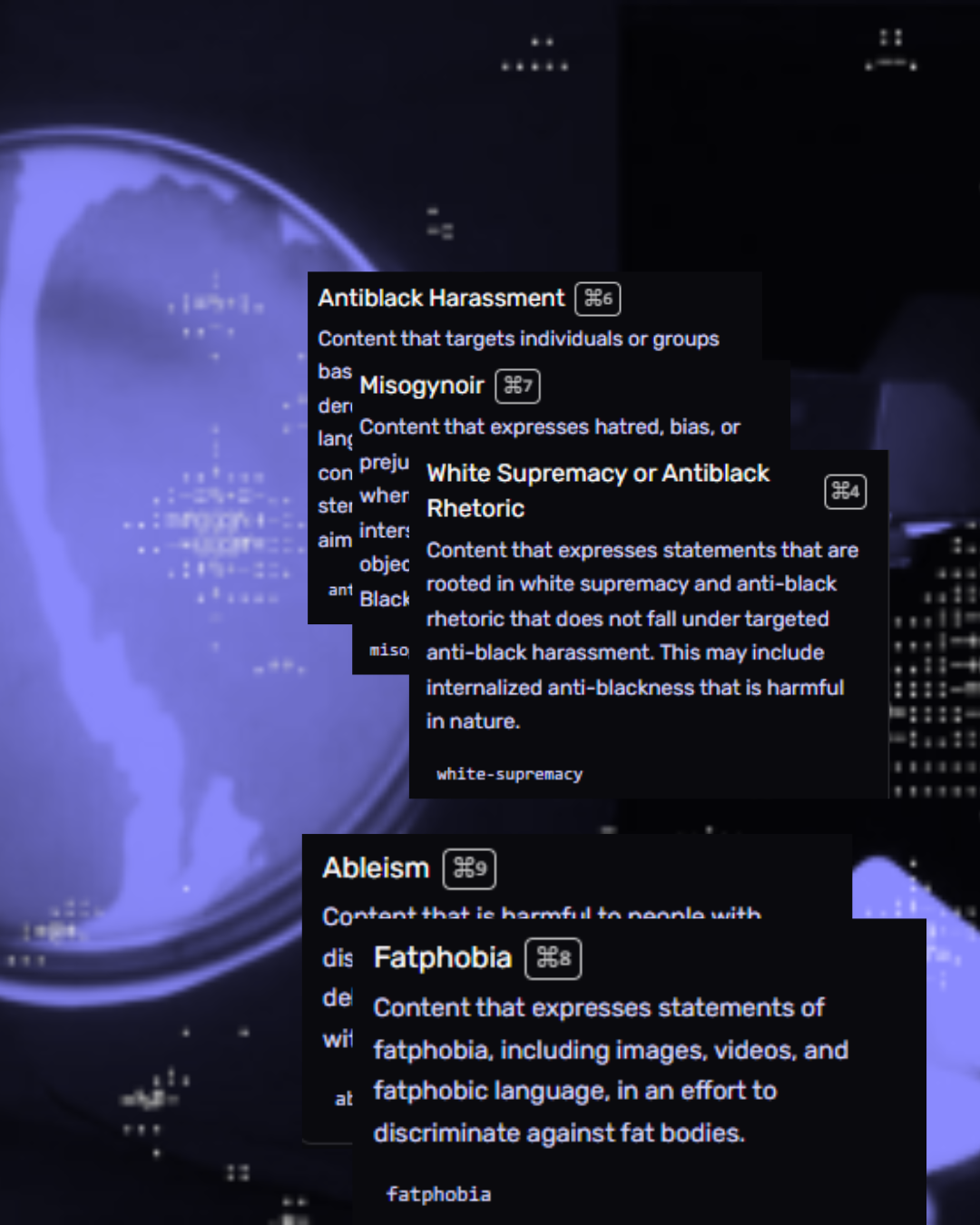
Black culture is in a lot of ways synonymous with how internet culture exists writ large. From what is now described as “Gen-Z slang” (or as Black people have always known it, AAVE) to our methods of organizing (Black feminists starting hashtag activism and creating movements like #MeToo, #BlackLivesMatter, and #SayHerName) and even how we […]
Digital blackface
Digital blackface is a term used to describe the phenomenon of non-Black individuals using digital media, such as GIFs, memes, or audio clips featuring Black individuals, to express emotions or convey ideas. This behavior has sparked debate and criticism due to concerns about cultural appropriation and the perpetuation of stereotypes. Digital blackface has been described as "one of the most insidious forms of contemporary racism"[1] and has been compared to historical minstrelsy by Black individuals and social justice advocates.
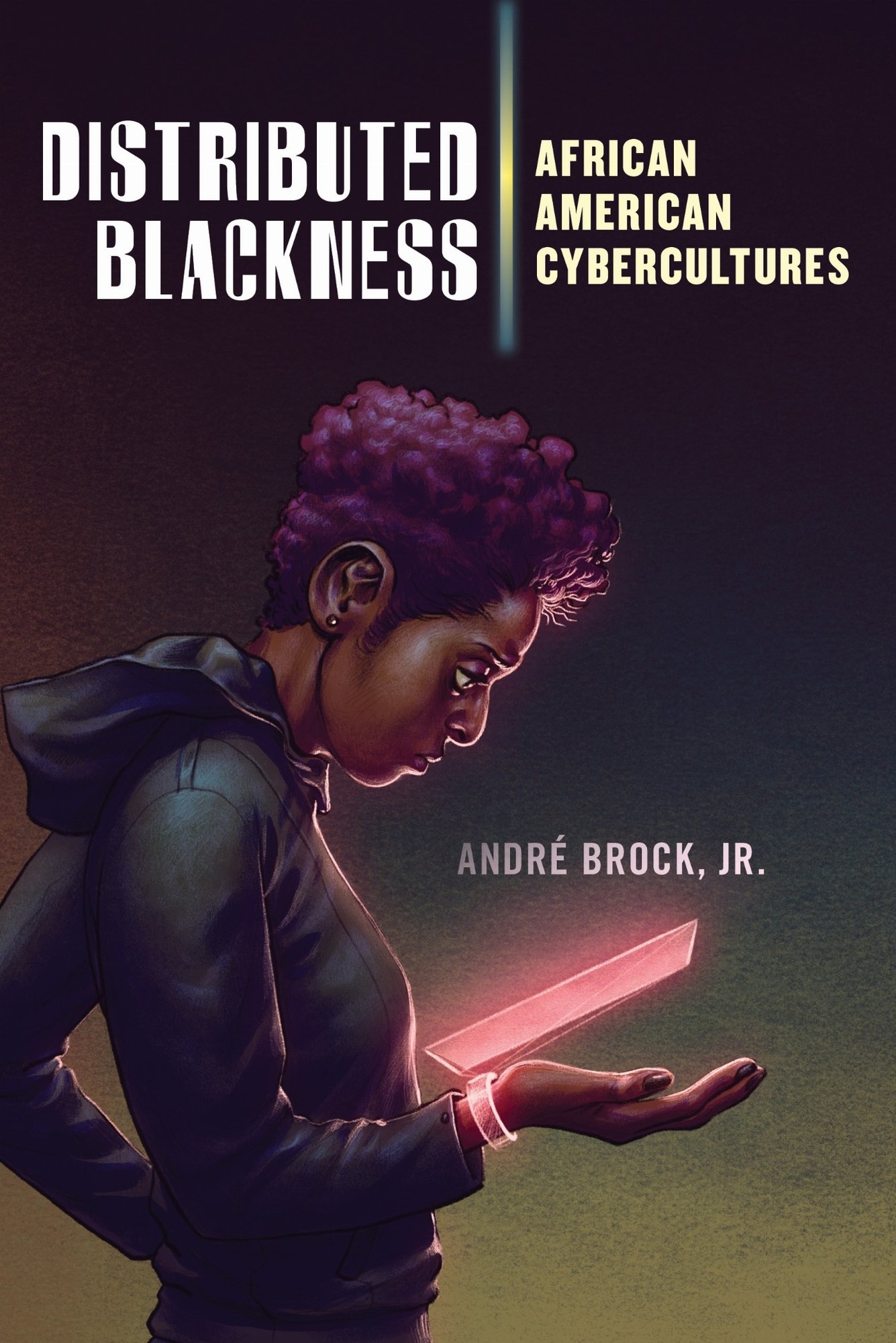
Black Software
Black Software: The Internet and Racial Justice, From the Afronet to Black Lives Matter is a 2019 American book that sets out to understand Black Lives Matter through the six-decade history of racial justice movement organizing online.

Cybercultural: Internet History and Its Impact on Our Culture
Cybercultural is a website covering internet history and the evolution of digital culture.
WE ALL WE GOT
Welcome to We All We Got: A Digital Green Book for the Culture—a guide for navigating the ever-growing wave of digital manipulation aimed at dividing, deceiving, and discouraging Black communities.
On Digital Disinformation and Democratic Myths – MediaWell
For two years, from 2015 to 2017, the Russian Internet Research Agency (IRA) operated a “Blacktivist” Facebook page. The Blacktivist account posed as an organic, grassroots online activism site, amplifying and contributing to the Black Lives Matter movement. It shared news, memes, and perspectives about racial injustice in America. Blacktivist was the most prominent of the IRA-generated Facebook pages, with over 6.18 million “interactions” recorded across its top 500 posts. The page had 360,000 likes, more than the verified Black Lives Matter account on Facebook (O’Sullivan and Byers 2017). In congressional hearings about Russian online disinformation and propaganda campaigns, poster-sized versions of Blacktivist posts and memes were on prominent display. Blacktivist stands as a warning sign of the sheer volume of online disinformation activities by foreign actors in US politics.

Blacksky
Decentralized social media built for community power, culture, and collective freedom.

Blacksky
Decentralized social media built for community power, culture, and collective freedom.
Opinion | How an Online Mob Created a Playbook for a Culture War (Published 2019)
The powerful lesson of a 5-year-old harassment campaign: How to wage a post-truth information war.

Unpacking the Racism of Digital Blackface in the Information Age
“No One’s Coming to Save Us. Why Communities Must Build Their Own Internet” -Rudy Fraser, Blacksky
The Root – Black News, Opinions, Politics and Culture
It's giving incel: The evolution of internet slang : Code Switch
How have recommendation algorithms affected language? Linguist Adam Aleksic — aka the Etymology Nerd — says most “Gen-Z slang” is either appropriated from Black people or incels. This week, we trace how -maxxing went from the eugenicist looksmaxxing subculture to trending TikToks to the Pentagon tweeting about “lethality maxxing.” And we ask what’s actually at stake when we use words without knowing where they come from.
Blacksky - Open Collective
Decentralized social media built for community power, culture, and collective freedom.

Vanishing Culture: A Report on Our Fragile Cultural Record (2026)
DOWNLOAD THE FREE EBOOK: PDFEPUBPURCHASE A PRINT COPY: Buy the book from Better World Books or any online bookstore.Order a copy through your local bookstore!LISTEN TO THE PODCAST (Release dates: July 1 - August 5, 2026): Vanishing Culture Episode #1: What We Stand to Lose with Luca MessarraVanishing Culture Episode #2: The Stories Hidden in Cookbooks with Katie LivingstonVanishing Culture Episode #3: Saving Queer Memory with Brooke PalmieriVanishing Culture Episdoe #4: Keeping African Folktales Alive with Helen Nde & Laura GibbsVanishing Culture Episode #5: A Language Worth Saving with Peter ScholingVanishing Culture Episode #6: What We've Learned with Vida Vojić & Alice BridgwoodABOUT VANISHING CULTURE: In today’s digital landscape, corporate interests, shifting distribution models, and malicious cyber attacks are threatening public access to our shared cultural history. The rise of streaming platforms and temporary licensing agreements means that sound recordings, books, films, and other cultural artifacts that used to be owned in physical form, are now at risk—in digital form—of disappearing from public view without ever being archived. Web sites like MTV News, Gawker, and others are removed from the live web by their corporate owners, leaving only web archives like those in the Wayback Machine as the last remaining public record of their reporting and cultural impact. Cyber attacks, like those against the Internet Archive, British Library, Seattle Public Library, Toronto Public Library and Calgary Public Library, are a new form of digital barrier, impeding access to information at community scale. When digital materials are vulnerable to sudden removal—whether by design or by attack—our collective memory is compromised, and the public's ability to access its own history is at risk. Vanishing Culture: A Report on Our Fragile Cultural Record aims to raise awareness of these growing issues, featuring essays from: Digital librarian Brewster Kahle, founder of the Internet Archive; Humanities scholar Luca Messarra; Book historian and social media star Allie Alvis; Game designer Jordan Mechner; Journalist Philip Bump; Writer and editor Maria Bustillos; Film archivist Rick Prelinger; Digital humanities scholar Nichole Misako Nomura; Writer and book artist Eve Scarborough; And many more… The report details recent instances of cultural loss, highlights the underlying causes, and emphasizes the critical role that public-serving libraries and archives must play in preserving these materials for future generations. By empowering libraries and archives legally, culturally, and financially, we can safeguard the public’s ability to maintain access to our cultural history and our digital future.

New heat from our Head of Trust and Safety @jdot.blacksky.team on why it is important to build a culture of digital safety! blackskyweb.xyz/building-a-culture-of-digital…

Building a Culture of (Digital) Safety
blackskyweb.xyz