

Black culture is in a lot of ways synonymous with how internet culture exists writ large. From what is now described as “Gen-Z slang” (or as Black people have always known it, AAVE) to our methods of organizing (Black feminists starting hashtag activism and creating movements like #MeToo, #BlackLivesMatter, and #SayHerName) and even how we […]
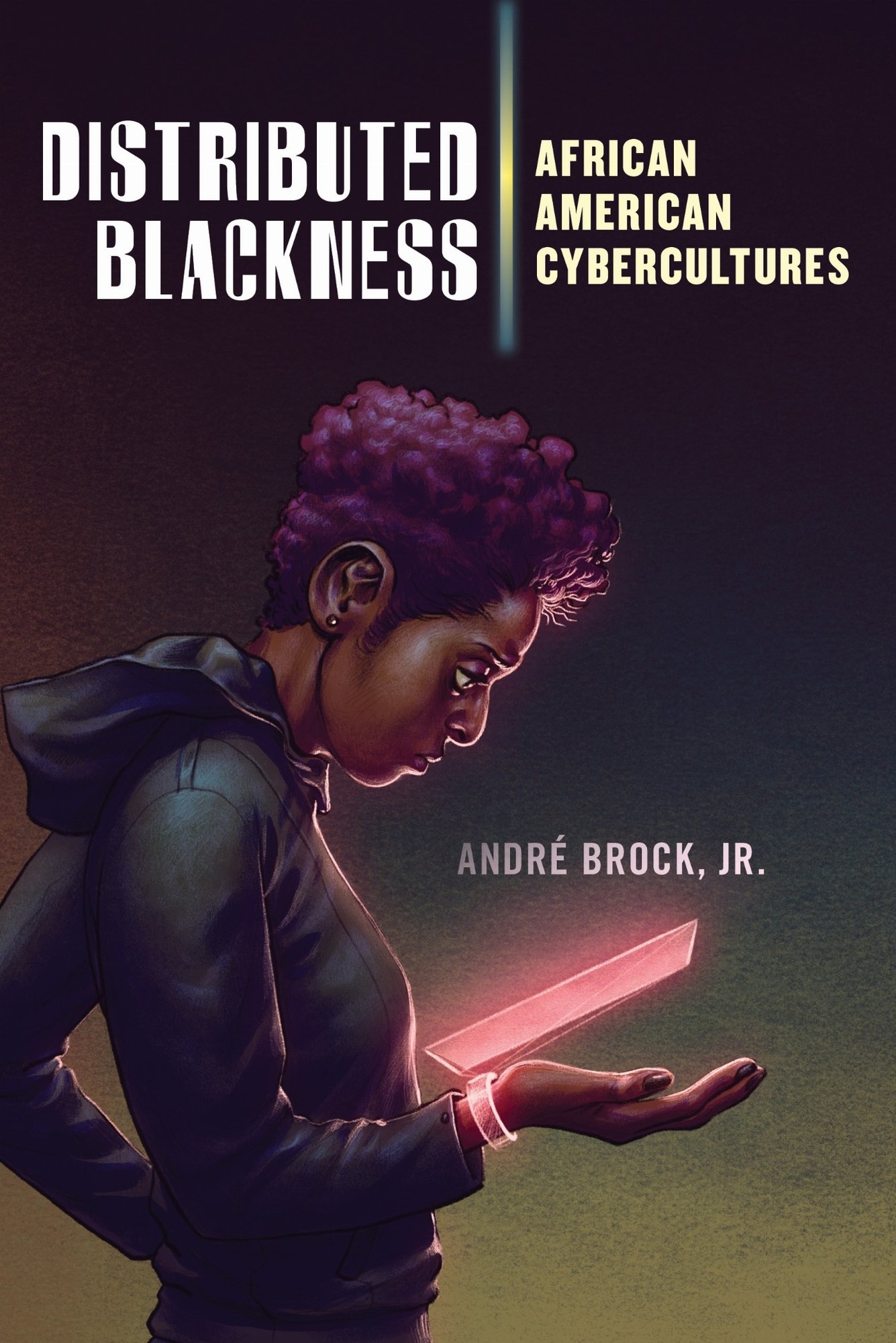
A Future for Intersectional Black Feminist Technology Studies
Neoliberal narratives of digital technologies and the internet have flourished in information and internet studies and suggest that the web is a panacea of social liberation and empowerment.

Digital blackface
Digital blackface is a term used to describe the phenomenon of non-Black individuals using digital media, such as GIFs, memes, or audio clips featuring Black individuals, to express emotions or convey ideas. This behavior has sparked debate and criticism due to concerns about cultural appropriation and the perpetuation of stereotypes. Digital blackface has been described as "one of the most insidious forms of contemporary racism"[1] and has been compared to historical minstrelsy by Black individuals and social justice advocates.
TikTok’s Digital Blackface Problem
Under the hashtags #Ghetto and #CripWalkChallenge, white teens appropriate Black culture

Black Software
Black Software: The Internet and Racial Justice, From the Afronet to Black Lives Matter is a 2019 American book that sets out to understand Black Lives Matter through the six-decade history of racial justice movement organizing online.

Cybercultural: Internet History and Its Impact on Our Culture
Cybercultural is a website covering internet history and the evolution of digital culture.
Fleeing Elon Musk’s X, the quest to re-create ‘Black Twitter’
The influential online community that gave rise to social movements like #BlackLivesMatter is now a "digital diaspora” in search of a new home.

WE ALL WE GOT
Welcome to We All We Got: A Digital Green Book for the Culture—a guide for navigating the ever-growing wave of digital manipulation aimed at dividing, deceiving, and discouraging Black communities.
On Digital Disinformation and Democratic Myths – MediaWell
For two years, from 2015 to 2017, the Russian Internet Research Agency (IRA) operated a “Blacktivist” Facebook page. The Blacktivist account posed as an organic, grassroots online activism site, amplifying and contributing to the Black Lives Matter movement. It shared news, memes, and perspectives about racial injustice in America. Blacktivist was the most prominent of the IRA-generated Facebook pages, with over 6.18 million “interactions” recorded across its top 500 posts. The page had 360,000 likes, more than the verified Black Lives Matter account on Facebook (O’Sullivan and Byers 2017). In congressional hearings about Russian online disinformation and propaganda campaigns, poster-sized versions of Blacktivist posts and memes were on prominent display. Blacktivist stands as a warning sign of the sheer volume of online disinformation activities by foreign actors in US politics.

Blacksky
Decentralized social media built for community power, culture, and collective freedom.

Blacksky
Decentralized social media built for community power, culture, and collective freedom.
Opinion | How an Online Mob Created a Playbook for a Culture War (Published 2019)
The powerful lesson of a 5-year-old harassment campaign: How to wage a post-truth information war.

What Happens When Scientists Study "Black Twitter"?
A study at USC sponsored by IBM will study "Black Twitter,"trying to figure out what it means for people to form "neighborhoods" online. But has this

Unpacking the Racism of Digital Blackface in the Information Age
“No One’s Coming to Save Us. Why Communities Must Build Their Own Internet” -Rudy Fraser, Blacksky
New heat from our Head of Trust and Safety @jdot.blacksky.team on why it is important to build a culture of digital safety! blackskyweb.xyz/building-a-culture-of-digital…

Building a Culture of (Digital) Safety
blackskyweb.xyz