


As protected bike lanes face opposition in some neighborhoods, city-backed case studies found lanes in a half-dozen corridors have not contributed to a negative impact on economic activity.
Cycling Toward a Cooler Toronto | The Power of Bike Lanes
Motorists in one of a Montreal’s busiest boroughs support bike lanes
There are real tensions between cyclists, motorists and pedestrians sharing the road, but Montrealers believe traffic-calming measures — bike lanes, speed humps and curb extensions — can improve safety for all road users.

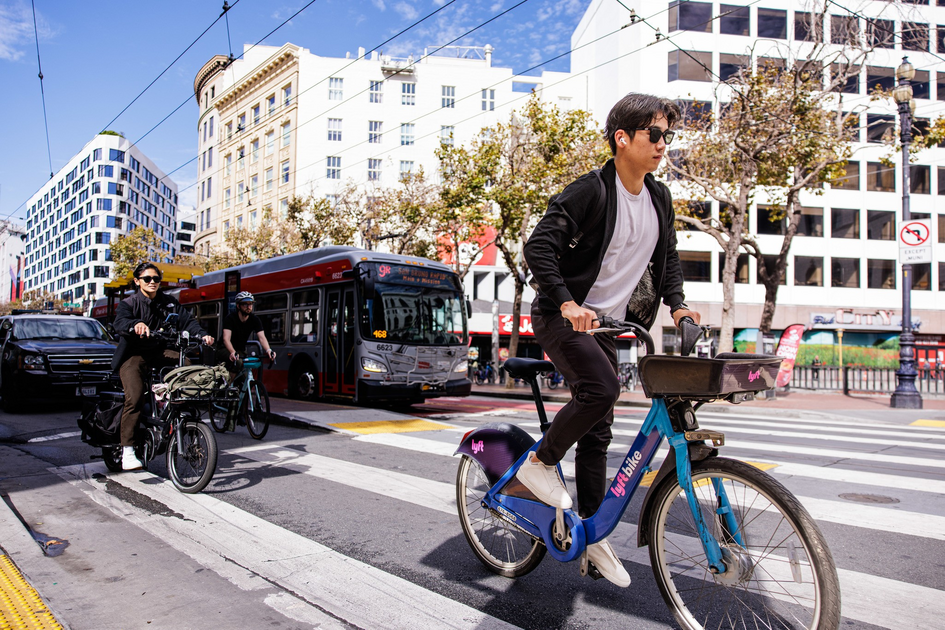
Opinion: The e-bike revolution is here. San Francisco isn’t ready for it
Bike commutes are up 52%, shared bike and scooter usage has doubled, and injuries are rising too. What the city needs isn’t a ban — it’s a backbone.
Why is the Trump administration calling bike lanes ‘DEI’? | Dave Schilling
The government apparently has an issue with paths for cyclists. Take it from someone who can’t ride a bike: this makes no sense
Reflection on Berkeley’s Bike Lane Drama
Hopkins bike lanes get approved for at least a third time. The drama won’t stop here.
Taking imagery of bike lanes at risk and using it to help fix bike parking
We took street-level imagery on Bloor St, Yonge St, University Ave, Queen’s Park Cres, and Avenue Rd to create a digital record of bike lanes at risk from Ontario Bill 212 and to help analyze…

Taking imagery of bike lanes at risk and using it to help fix bike parking
We took street-level imagery on Bloor St, Yonge St, University Ave, Queen’s Park Cres, and Avenue Rd to create a digital record of bike lanes at risk from Ontario Bill 212 and to help analyze and improve bike parking

Gov. Phil Murphy signs e-bike bill criticized by bike advocates • New Jersey Monitor
Bill supporters say they want to increase public safety. Critics say the bill targets low-income e-bike users.

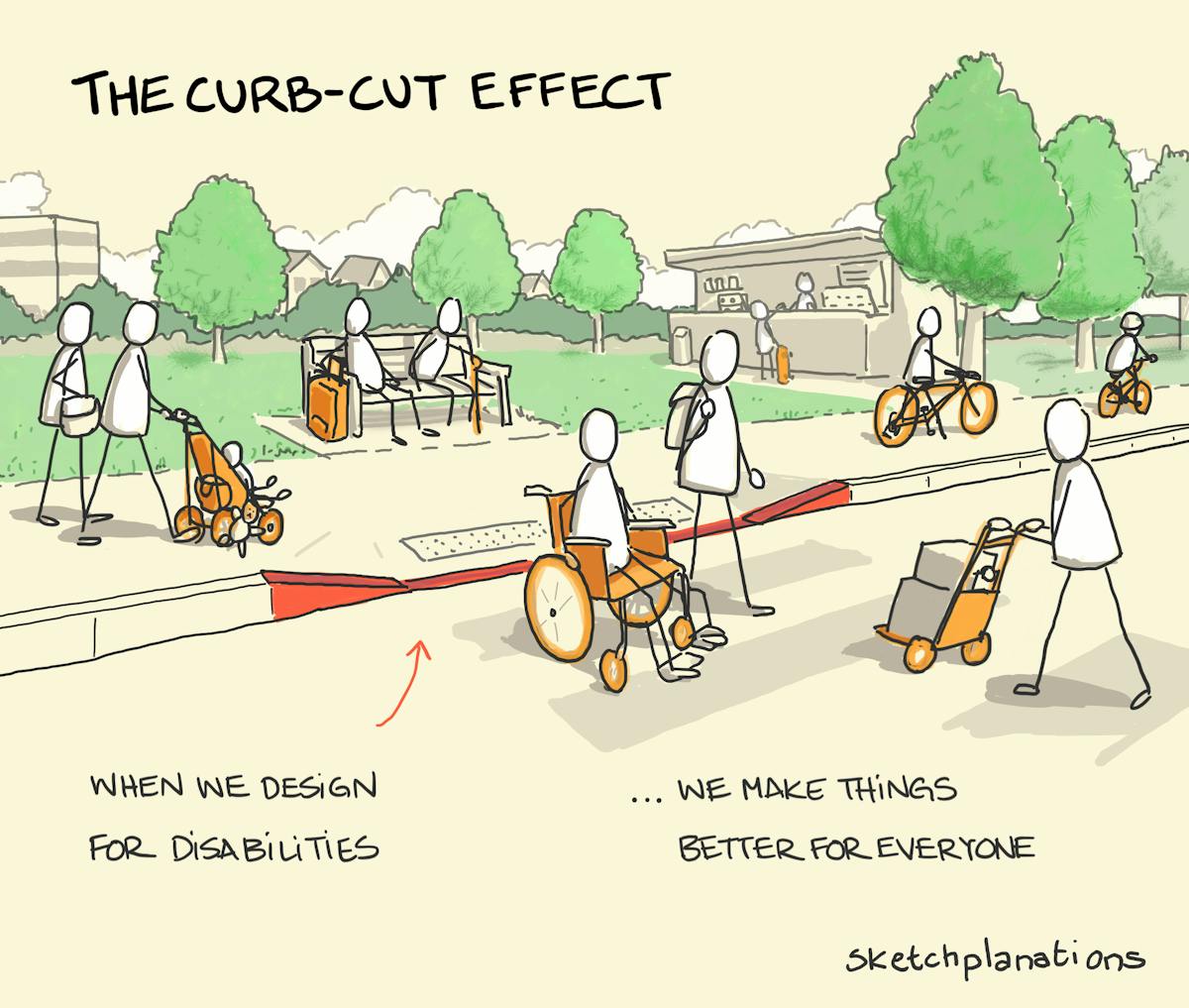
The curb-cut effect
The curb-cut effect illustrates how when we design to benefit disadvantaged or vulnerable groups we end up helping society as a whole. Angela Glover Blackwell explains how campaigning by students with disabilities in Berkeley in the early 1970s led to adding curb cuts to the Berkeley sidewalks to make access easier for those in wheelchairs. Yet it wasn't just people in wheelchairs that it helped. Curb cuts also made life easier for people pushing children in strollers, people using trolleys for deliveries, people pulling a suitcase, those wheeling bikes or on skateboards, and it also helps save lives by guiding people to cross at safe locations. Another example is adding closed captioning to TV that helps anyone watch in a noisy bar, a waiting room, or watching an airline safety video. Or a classic example of universal design in the OXO Good Grips range originally made to be comfortable for holding a peeler even if you have arthritis. It's also a useful analogy for "how laws and programs designed to benefit vulnerable groups, such as the disabled or people of color, often end up benefiting all," (PolicyLink) whether that be increasing broadband access, improving public transport or taking cuts out of curbs. Here's a short, fun video of Gary Karp explaining the curb-cut effect. Thanks to my patron Quintin Balsdon for sharing it with me.
Do we actually know how to make cities safer for women?
Women-only buses, catcalling fines and gender-sensitive design — we've tried them all.
Taking imagery of bike lanes in Toronto: 60,000 photos later…
Imagery Update After a summer and fall of taking 360 imagery of bike lanes, I finished capturing street-level imagery of all the protected bike lanes in the City’s dataset. The last segment on November 8 was the final part of the new Harbord St bike lanes E of Grace St. So far, I’ve captured over…
We Were Wrong About Sharrows | PeopleForBikes
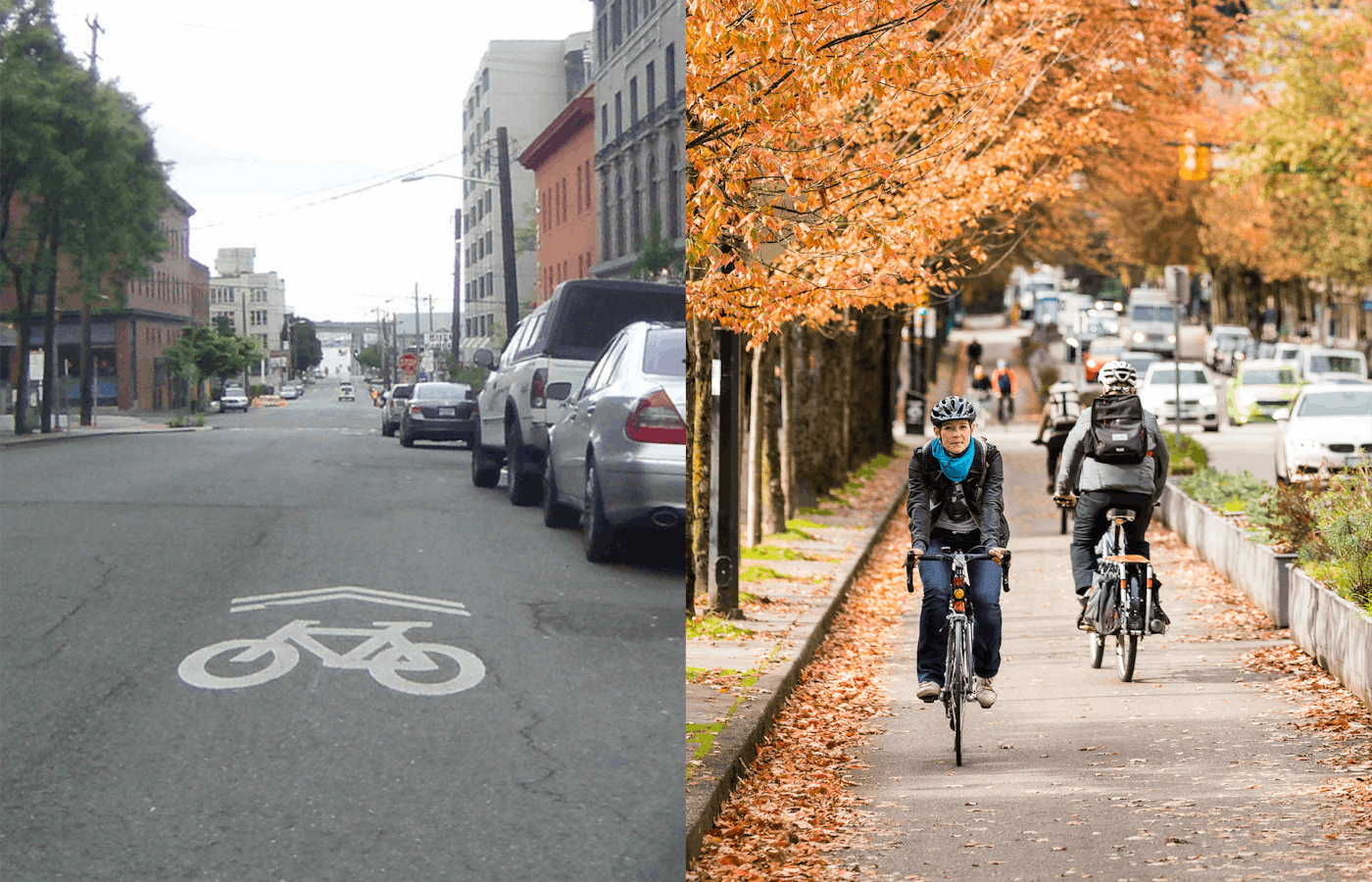
It was the late 1990s and I thought we were so clever. We had just convinced the San Francisco Department of Parking and Traffic to incorporate an innovative new design into its bike plan, a bold statement conveying “bikes belong” right there in the middle of the street. I had first seen a shared-use marking, or “sharrow” — a white bicycle painted directly on asphalt — in photos of Paris and Chicago, put there to help bicyclists get through intersections by indicating their path of travel. In 1993, James McKay, a bike planner in Denver, used it on a trial basis to emphasize a bicyclist’s right to ride in the middle of the lane.
Why They Don’t Want You Driving a Chinese Car
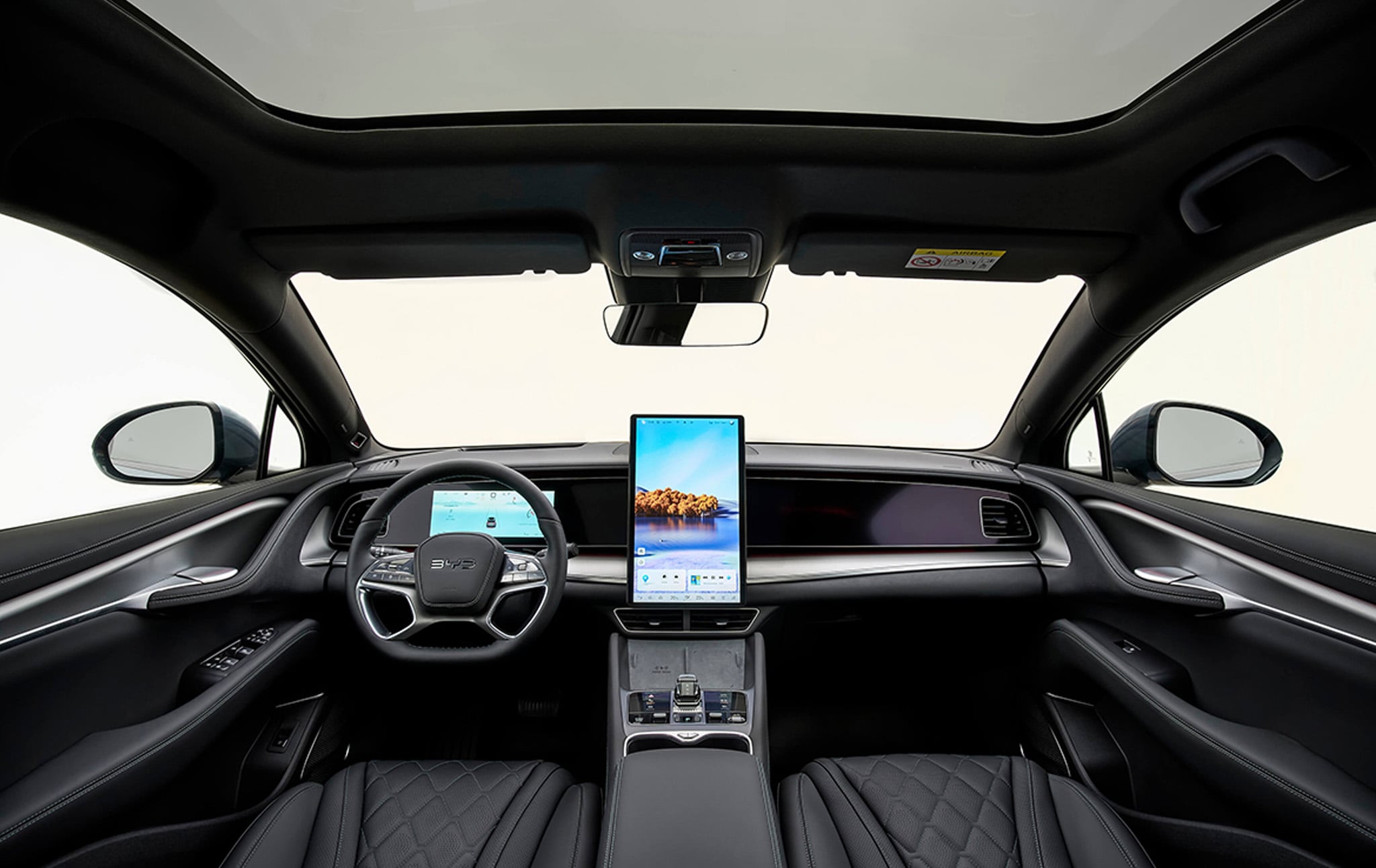
Politicians say they have “national security concerns.” In fact, Chinese cars are better and cheaper, and American corporations know they can’t survive market competition.
The 'Digital Town Square' Problem
Privately owned public spaces like Twitter are often viewed as “public town squares.” But it's unclear exactly how private companies' influence on the so-called public spaces they control affects actual civic outcomes.

Experts: Too many private cars to fix traffic in Dhaka
About 76% of Dhaka roads are occupied by 6% of the population that owns private cars

Transit push in Montreal could generate more GDP than vehicular focus: study - Montreal | Globalnews.ca
A new study released by the Metropolitan Community of Montreal (MMC) finds the economic benefits of public transit are far greater than personal automobiles.
