


I first wrote this essay a few years ago. A founder mentioned it to me over the weekend, and so I decided to re-publish it here. One thing that's bothered me in the time since I wrote it is the way...
What coffee taught me about building products?
You have probably been asked about your hobbies at some point. I never had a good answer to that question. Tbh, I still don't. A few years ago, while reading Designing Your Life, I realised something slightly uncomfortable. I did very little just for joy. Most things I spent

Build the thing you wish to see in the world
For most of my career, I've been confusing building products with building businesses—and that confusion kept me from pursuing a lot of ideas. Two weeks off helped me realize that not everything needs to be a startup, and some of the best things we build are the ones we build just because we want them to exist.
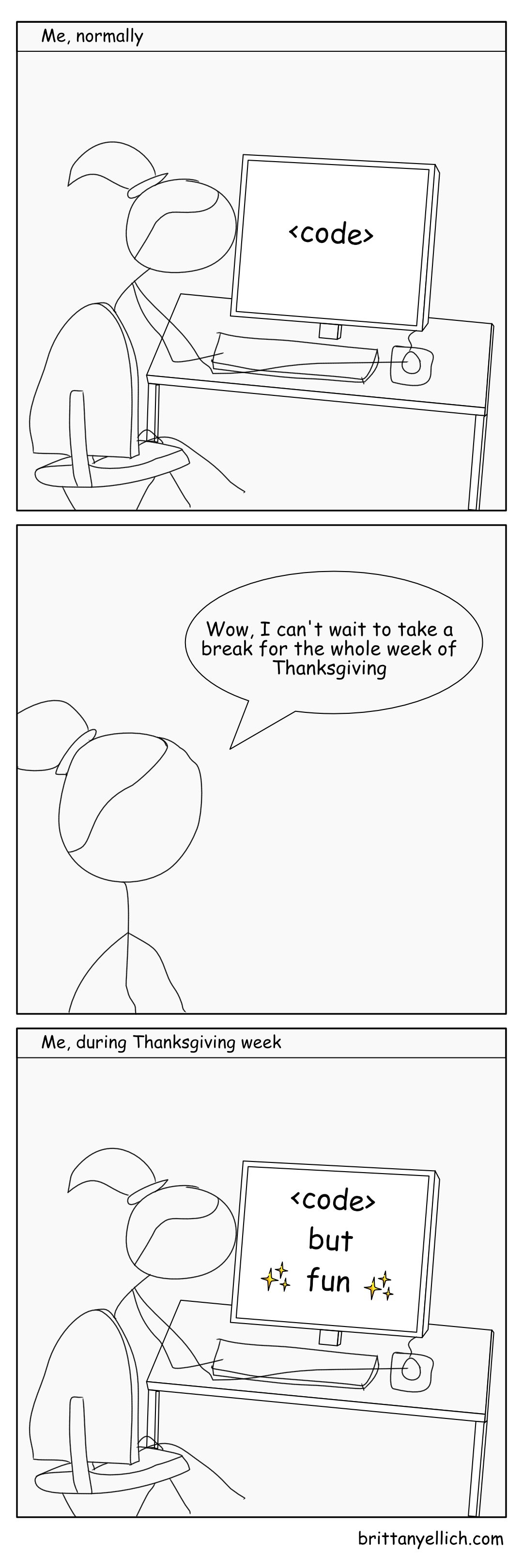
On Making
TLDR: I gain a lot of fulfillment by making things. I don't consider things built by others at my request to be made by me, and are therefore much less fulfilling. And then I feel sad. This article starts strong and then heads off into the weeds.
About — Every Object an Archive
We interview people about their experiences with technological objects that were once everywhere, but are now being replaced or redesigned. We are interested in the physical experience of living with these objects, their handfeel and relationships to our bodies. We are also interested in how they shaped our habits, relationships, and ways of being. Technologies are more than physical objects: whole worlds of infrastructure, process, policy and culture are built around them.

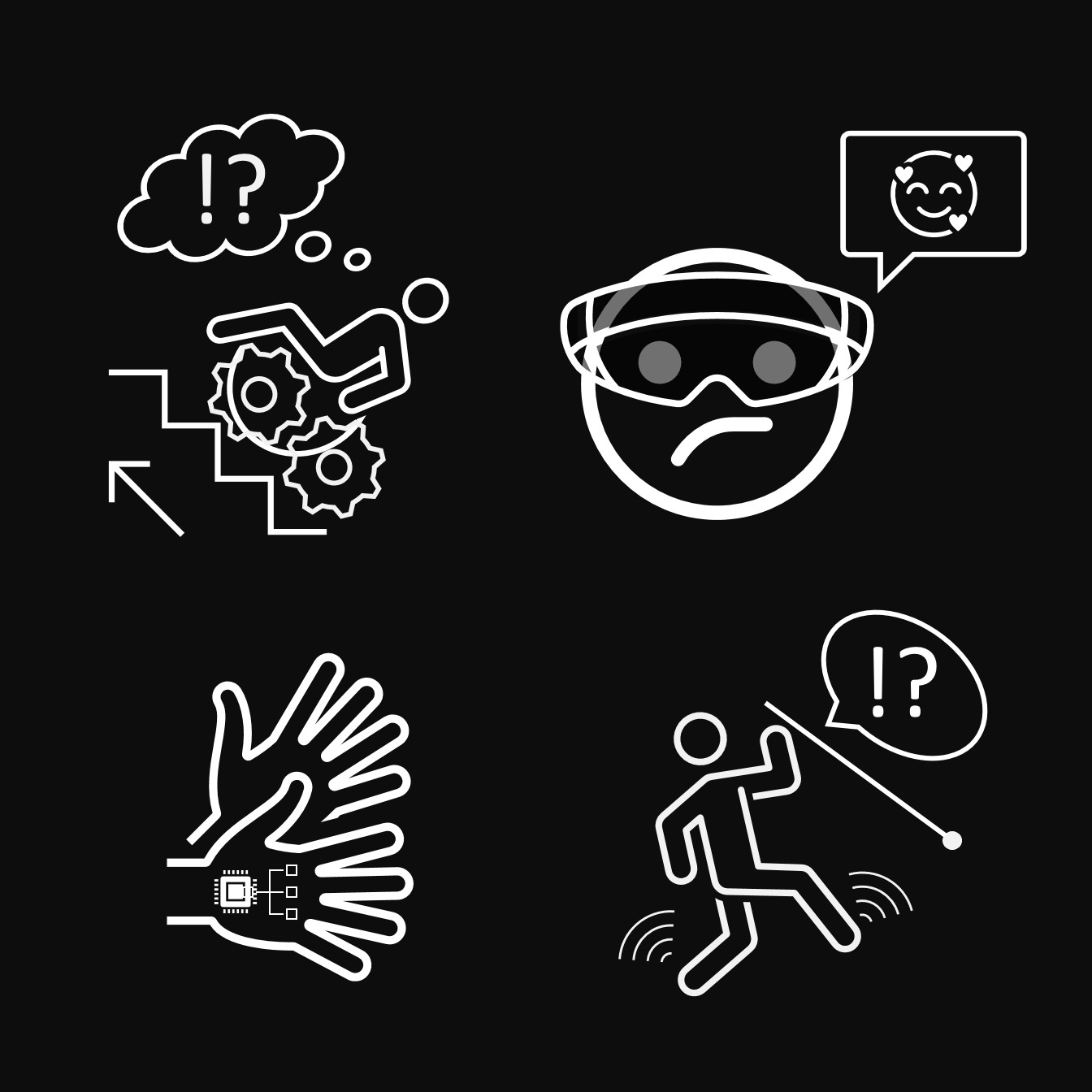
Disability Dongle
Disability Dongles are contemporary fairy tales that appeal to the abled imagination by presenting a heroic designer-protagonist whose prototype provides a techno-utopian (re)solution to the design problem. Disability Dongle rhetoric instills in students the value of a quick fix over structural change, thus preventing them from seeking out, participating in, and contributing to existing inquiry. By labeling these material-discursive phenomena—the designed artifacts and the discourse through which their meaning is constituted—we work to shift the focus from their misguided concern about our bodies to their under-analyzed intentions and ambitions.
Why Being Bored Is Good | The Walrus
Technology keeps us constantly stimulated. What do we lose when we no longer have nothing to do?

Part 1: Finding Your Thing's Essence
If you've ever tried to explain an idea that doesn’t quite fit in a box, this one’s for you
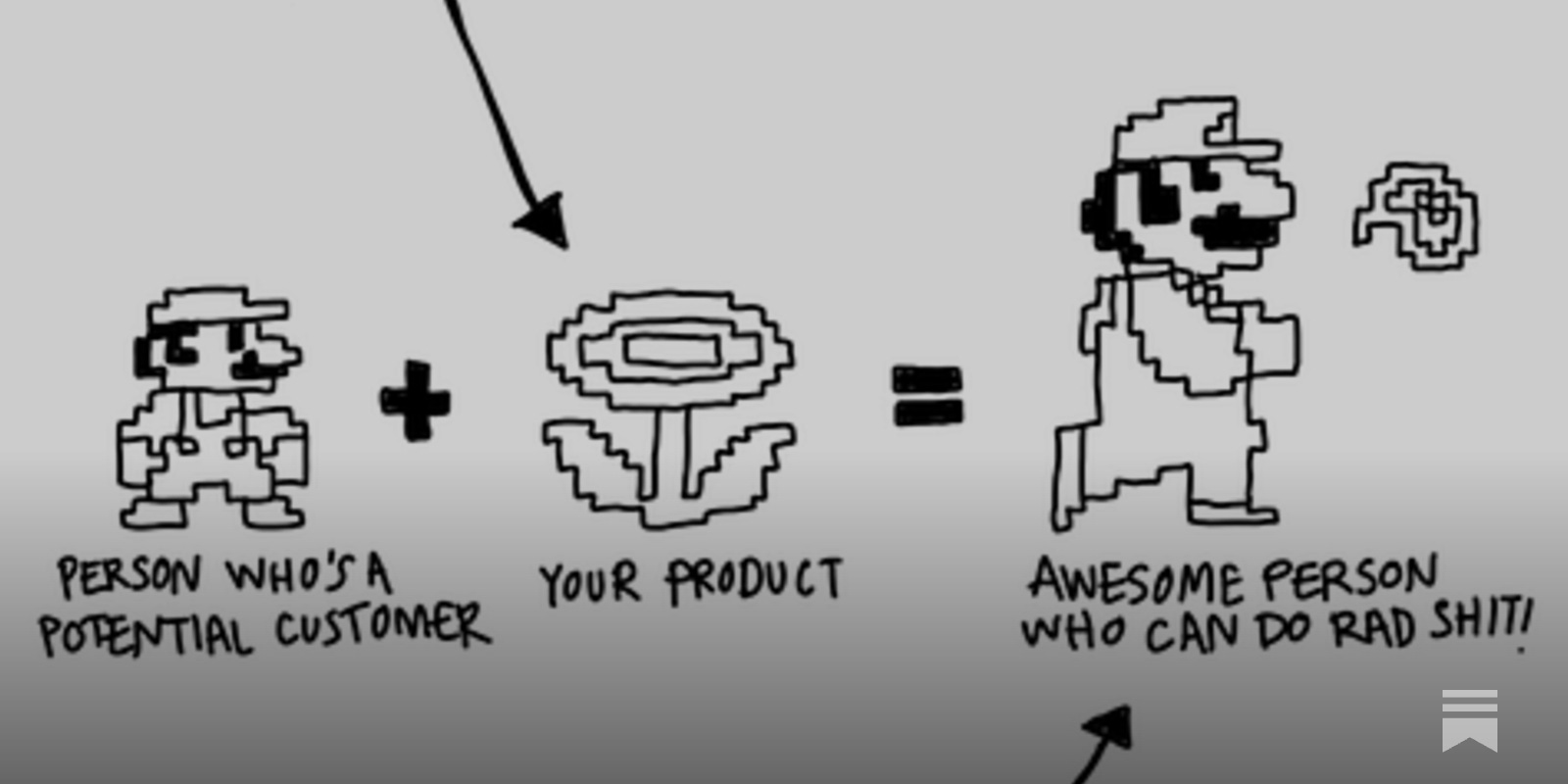
Misreading as Foraging: How Systems Get Used for Things They Weren't Made For - Astral's Blog
Why we stopped ballon framing 👍 #carpentry #framing #codes #building #learn
Lego Brick Commons & Spontaneous Collaboration - Wesley's notes
A funner way to talk about nerdy stuff like Semble and modular science
Frew’s Foolish Woodworking | Substack
My woodworking journey. Click to read Frew’s Foolish Woodworking, by Frew Schmidt, a Substack publication with hundreds of subscribers.
Playbooks — Renaissance Philanthropy – A brighter future for all through science, technology, and innovation
Christopher Alexander’s A Pattern Language defines 253 methods for constructing beautiful and practical designs at every scale, from cities to rooms.

How We Designed Muse
For us, Muse gives us back the scarcest thing we have: time with the people we love.
I wrote up a bunch of thoughts on what I learned from trying different ways to build an atproto sports app

Sports in the Atmosphere
pmcewen.leaflet.pub