Intro to both tools, why they exist, how they overlap and pragmatic tips how to use them and when
A Strategy and Wardley Mapping Primer
If you're doing strategic work, think in terms of evolutionary flow — and learn to draw fast-and-dirty Wardley maps.
Wardley map
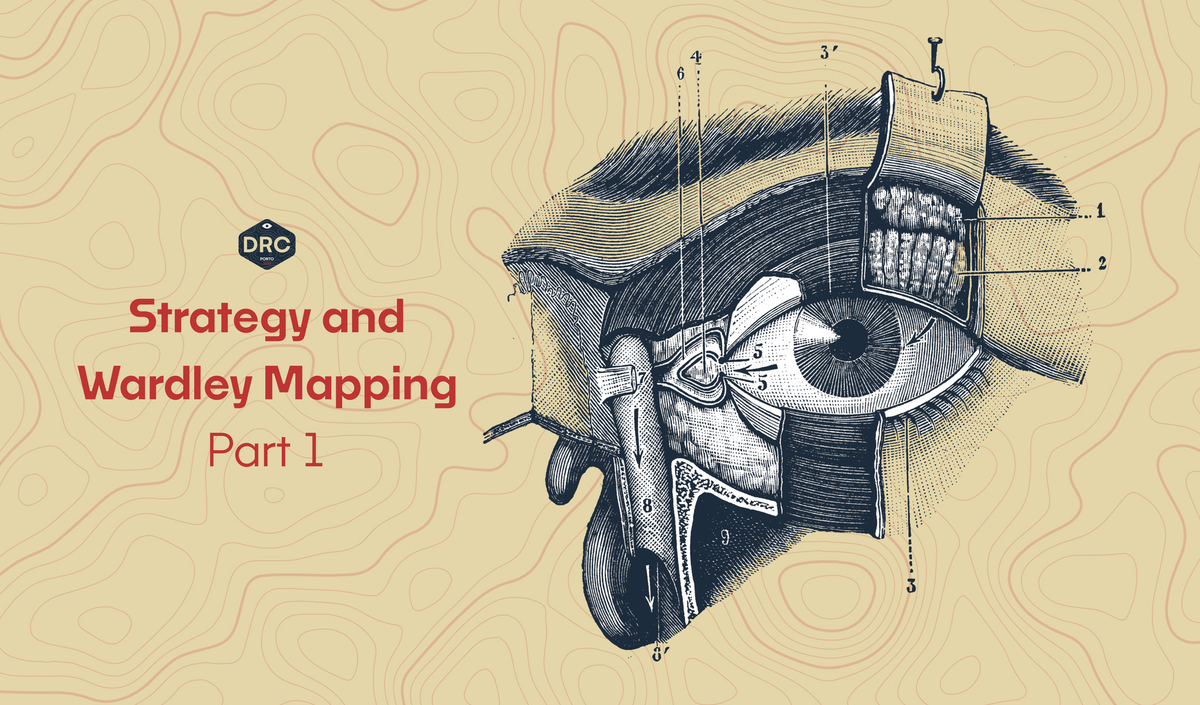
A Wardley map is a map for business strategy.[1] Components are positioned within a value chain and anchored by the user need, with movement described by an evolution axis.[2] Wardley maps are named after Simon Wardley who created the technique at Fotango in 2005 having created the evolutionary framing the previous year.[3][4] The technique was further developed within Canonical UK between 2008 and 2010[5][independent source needed] and components of mapping can be found in the "Better for Less" paper published in 2010.[6]
Learn Wardley Mapping
Be more strategic with Wardley Mapping. Get the free book, plus tools, reference library, online course, and more.

How to organise your teams - Wardley Maps
The dangerous path to Explorers, Villagers and Town Planners — by Simon Wardley.
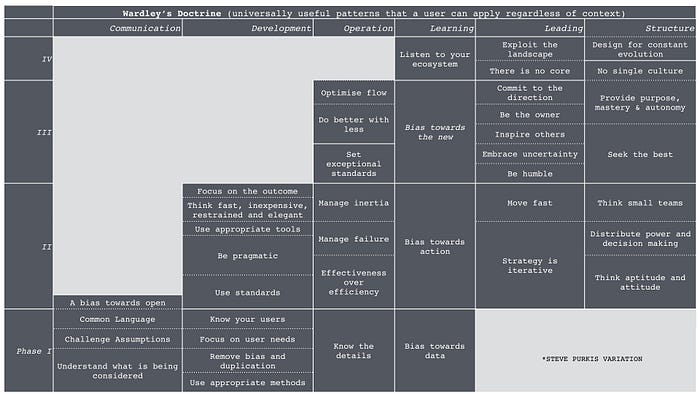

Article: Pace Layering: How Complex Systems Learn and Keep Learning
Boris Mann's digital garden and personal site.

A Beginner’s Guide to Scientific Roadmapping
Wonderful maps and how to read them

Your Wardley Maps Belong in Git: What Mermaid Support Changes
For most of the last decade, Wardley Maps lived in three places: a whiteboard, a PNG screenshot in a deck, and (if you were lucky) an OnlineWardleyMaps link buried in a wiki. None of those locations made the map useful to a team beyond the workshop it came out of.

Pace Layers and AI Integration - The Phoenix Architecture
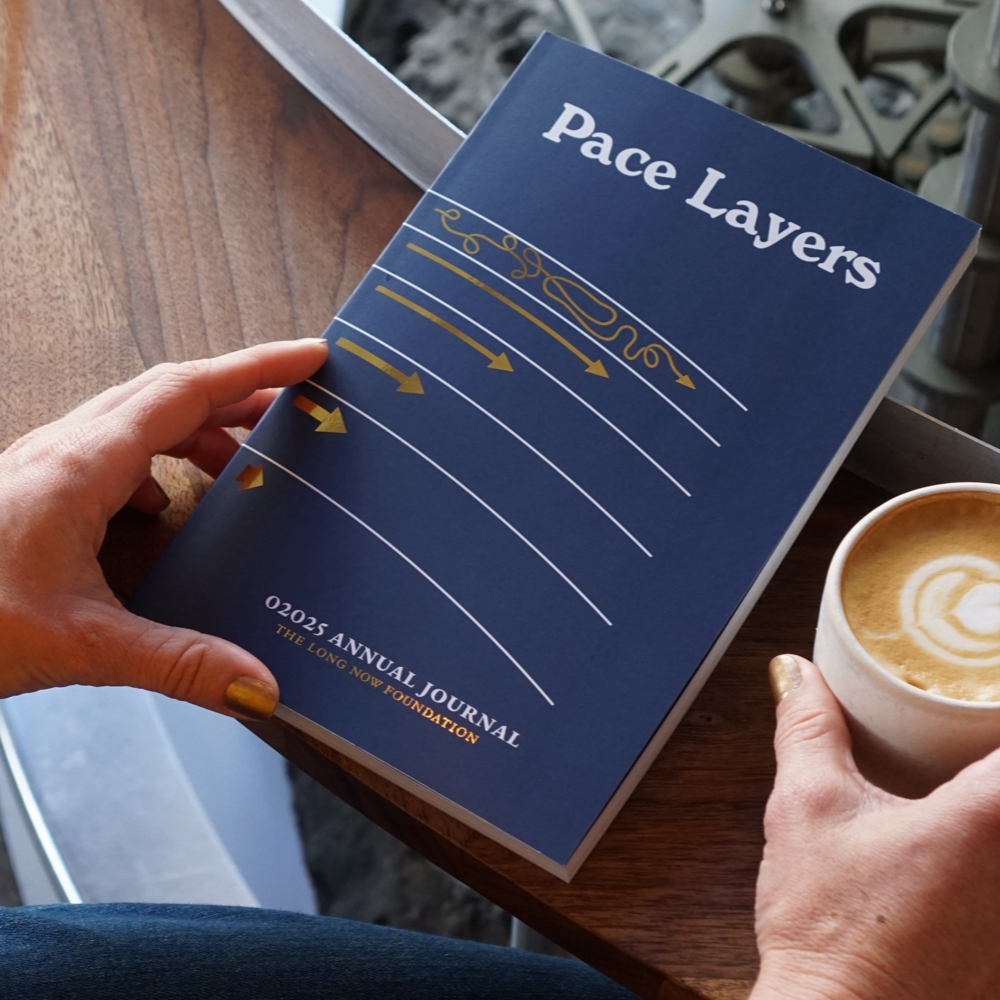
Announcing Pace Layers
The inaugural issue of Long Now’s new annual print journal synthesizes the most important learnings of our first quarter-century.

Pace Layers 02025 Annual Journal
Long Now’s annual print journal explores the ancient past and distant future of the present moment through essays, interviews, fiction, poetry, and visual art. The journal takes its name and shape from Long Now cofounder Stewart Brand’s pace layers framework — a tool for thinking about how civilizations work. [Learn more about Pace Layers](https://longnow.org/pacelayers/)
Steam Community :: Guide :: Map Generation in Slay the Spire
In this brief guide I will try to explain the relevant information regarding Map Generation and maybe some new ways to look at the game....

Pace Layering: How Complex Systems Learn and Keep Learning · Journal of Design and Science
Pace layers provide many-leveled corrective, stabilizing feedback throughout the system. It is in the contradictions between these layers that civilization finds its surest health. I propose six significant levels of pace and size in a robust and adaptable civilization.