


So often, when building a design system, we end up building something rigid that we will struggle with as time goes by. When this is done, we can try to evolve it well, and to make it so good that …
LukeW | The Convergence of Design
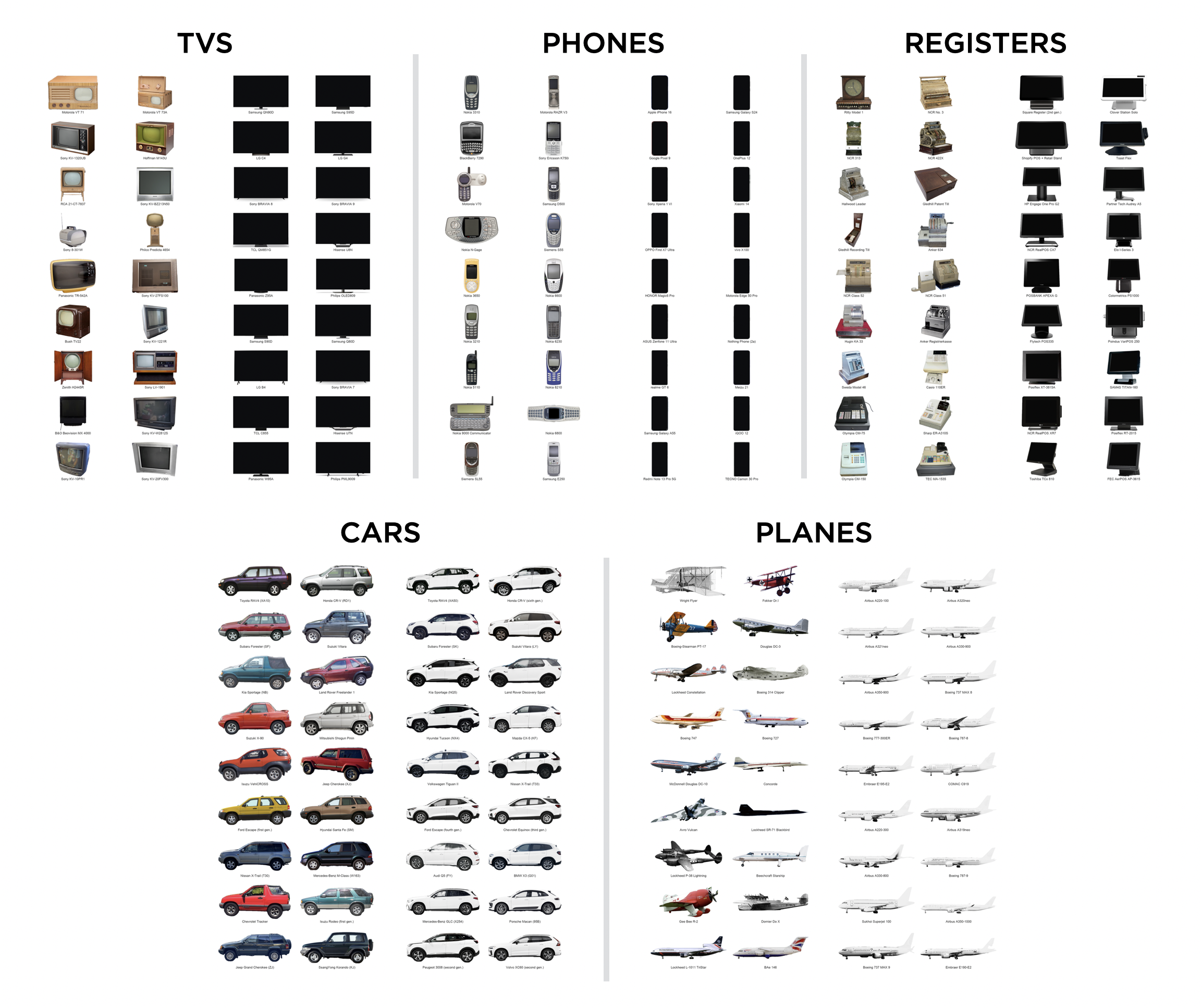
After seeing lots of posts over the years arguing that design has become homogenized, I decided to pull together historical and modern designs for a few differe...
Design as Participation · Journal of Design and Science
This started with a drivetime conversation about contemporary design with Joi Ito. We were stuck in traffic, and in our conversation, a question emerged about designers: This new generation of designers that work with complex adaptive systems. Why are they so much more humble than their predecessors who designed, you know, stuff?

Why design systems are a single point of failure
Tools and techniques to prevent design system collapse

Design: A Happening Life
"When life is happening, design has meaning, and every design we encounter strengthens our recognition of the value of being alive."

Atomic Design by Brad Frost
Learn how to create and maintain digital design systems, allowing your team to roll out higher quality, more consistent UIs faster than ever before.
Designing Systems | Atomic Design by Brad Frost
Learn how to create and maintain digital design systems, allowing your team to roll out higher quality, more consistent UIs faster than ever before.
The design systems between us. — Ethan Marcotte
It’s often suggested that design systems would improve the way organizations work. I’ve been wondering about that.

A Global Design System | Big Medium
Big Medium’s Brad Frost issues a call to action to create a Global Design System of common UI components. What would this look like, and what would it mean for you?

Pace Layering: How Complex Systems Learn and Keep Learning · Journal of Design and Science
Pace layers provide many-leveled corrective, stabilizing feedback throughout the system. It is in the contradictions between these layers that civilization finds its surest health. I propose six significant levels of pace and size in a robust and adaptable civilization.

Architectural mismatch: why reuse is so hard
Why isn't there more progress toward building systems from existing parts? One answer is that the assumptions of the parts about their intended environment are implicit and either don't match the actual environment or conflict with those of other parts. The authors explore these problems in the context of their own experience with a compositional approach.<>
Design System | TanStack
The TanStack Design System — living design tokens and components.

Evolving Design Language in the AI Era: From Good to Great
Explore how the AI era reshapes design language, emphasizing objective critique over subjective opinions for successful outcomes.

Special Issue Editorial – Accumulation and Evolution of Design Knowledge in Design Science Research: A Journey Through Time and Space
Sir Isaac Newton (1676) famously said, “If I have seen further, it is by standing on the shoulders of giants.” Research is a collaborative, evolutionary endeavor—and it is no different with design science research (DSR), which builds upon existing design knowledge and creates new design knowledge to pass on to future projects. However, despite the vast, growing body of DSR contributions, scant evidence of the accumulation and evolution of design knowledge has been articulated in an organized DSR body of knowledge. Most contributions rather stand on their own feet than on the shoulders of giants, and this continues to limit how far we can see, curtailing the extent of the broader impacts that can be made through DSR. In this editorial, we aim at providing guidance on how to position design knowledge contributions in wider problem and solution spaces. We propose (1) a model conceptualizing design knowledge as a resilient relationship between problem and solution spaces, (2) a model that demonstrates how individual DSR projects consume and produce design knowledge, (3) a map to position a design knowledge contribution in problem and solution spaces, and (4) principles on how to use this map in a DSR project. We show how fellow researchers, readers, editors, and reviewers, as well as the IS community as a whole, can make use of these proposals, and also illustrate future research opportunities.

Atomic Design | Atomic Design by Brad Frost
Learn how to create and maintain digital design systems, allowing your team to roll out higher quality, more consistent UIs faster than ever before.