


We've been posting it on social media, saying it loudly into mics at conferences, and yelling it from any rooftop they'll let us on: People, Not Platforms. It's a motto that drives us to continue building for the open social web so we can center the next
Holding Platforms Accountable Is Not Enough. We Need A ‘Compass’ For Social Technologies
This is the first series in the 21-22 Perspectives on Public Purpose blog.


The politics of ‘platforms’
Online content providers such as YouTube are carefully positioning themselves to users, clients, advertisers and policymakers, making strategic claims for what they do and do not do, and how their place in the information landscape should be understood. One term in particular, ‘platform’, reveals the contours of this discursive work. The term has been deployed in both their populist appeals and their marketing pitches, sometimes as technical ‘platforms’, sometimes as ‘platforms’ from which to speak, sometimes as ‘platforms’ of opportunity. Whatever tensions exist in serving all of these constituencies are carefully elided. The term also fits their efforts to shape information policy, where they seek protection for facilitating user expression, yet also seek limited liability for what those users say. As these providers become the curators of public discourse, we must examine the roles they aim to play, and the terms by which they hope to be judged.
Platform Politics
Available open access digitally under a CC-BY-NC-ND license. The 'sharing economy', powered by companies like Airbnb, Uber and Deliveroo, promised to revolutionize the way we work and live. But what changes have come about, and why? This book shows how platform capitalism is not only shaped by business decisions, but is a result of struggles involving social movements, consumer politics and state interventions. It focuses in particular on the controversial tactics used by platform giants to avoid regulation. Drawing on cutting-edge research and analysis, the book provides a critical overview of the struggles around platforms, examines platform power, and reflects on the different possible futures of the platform economy.

Death by a thousand likes: How Facebook and Twitter are killing the open web
Here’s one way to understand the symbiotic relationship between publications and platforms in the digital age. Publications depend on advertising dollars to keep producing content, so they need to hold readers’ attention. Big platforms like Facebook and Twitter already have plenty of attention, but they need vast quantities of content to fill up their newsfeeds. It seems natural, then, that publications have started relying on platforms to drive readership.
A New Social
Our mission is to liberate people's networks from their platforms, enabling The Last Network Effect and leveling the playing field across the open social web.
A New Social
Our mission is to liberate people's networks from their platforms, enabling The Last Network Effect and leveling the playing field across the open social web.
Democratizing Social Media | Platform Cooperativism Consortium
Exploring the Potentials of Cooperative Models In the age of the ever-expanding platform economy, questions over the ownership and governance of social media platforms have become increasingly…

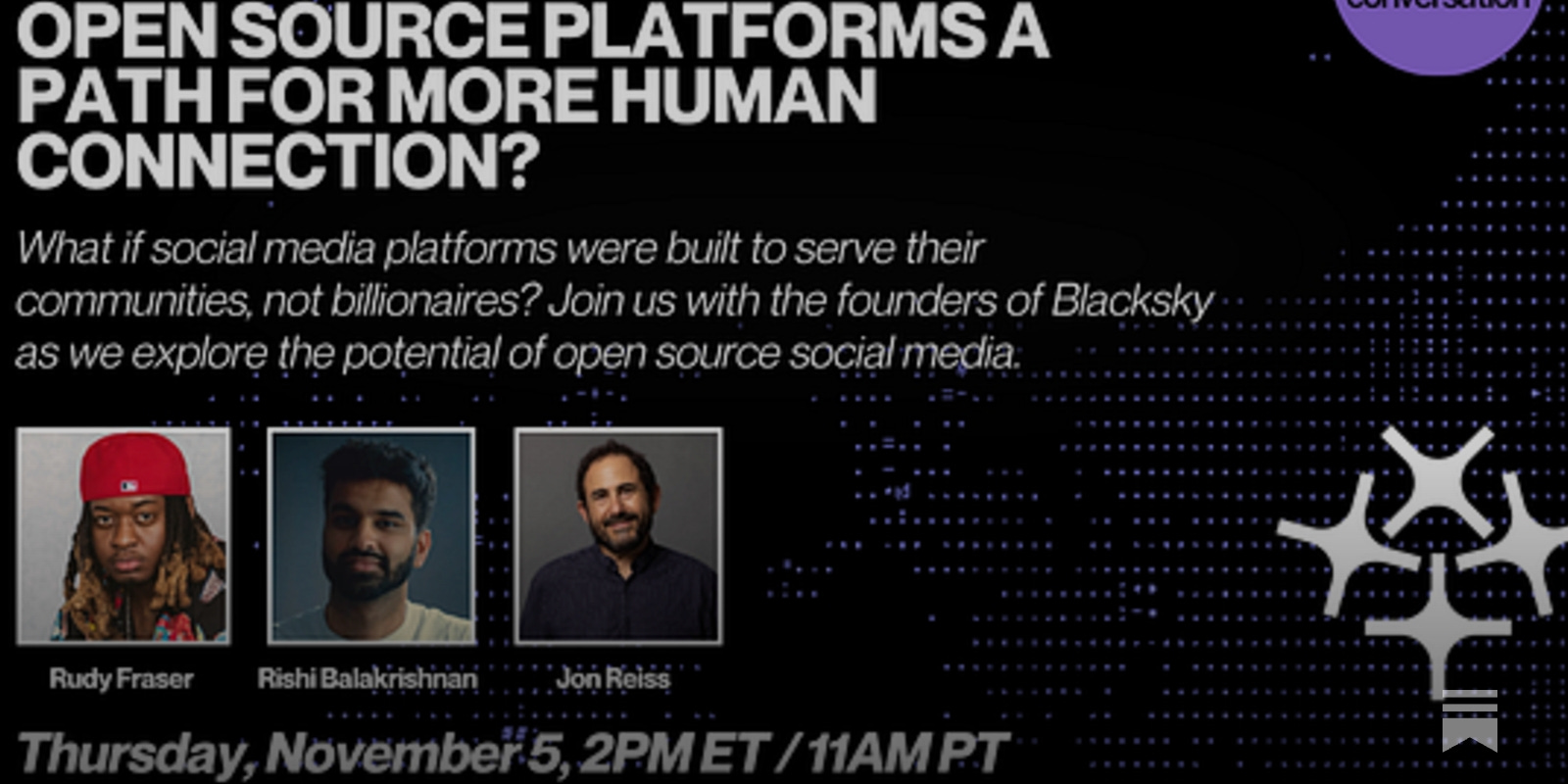
Reclaiming Social Spaces: Are Open Source Platforms a Path for More Human Connection?
What if social media platforms were built to serve their communities, not billionaires? Join us with the founders of Blacksky as we explore the potential of open source social media.
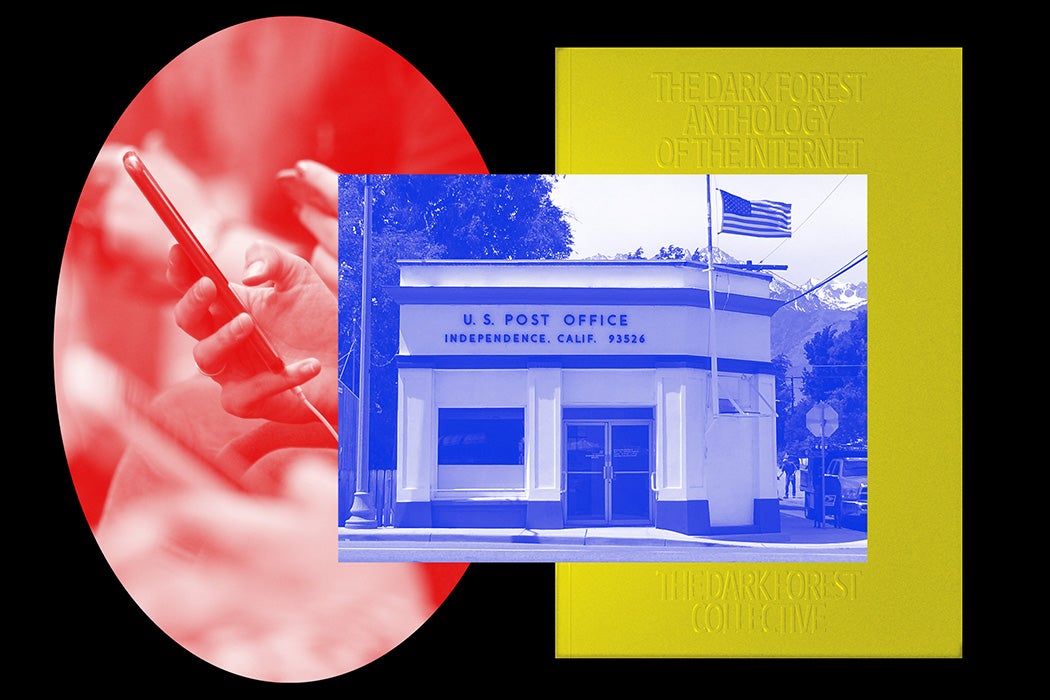
The Case for a Public Social Media Platform - JSTOR Daily
Artist and writer Joshua Citarella explores why corporate platforms corrode democracy—and what a postal-service-style digital commons could do differently.
It's obvious why we hate social media
We need better internet platforms. We're already building them.

Bye, X: Europeans are launching their own social media platform, W
European organizations may soon launch their own social media platform, W, requiring user identification and photo verification to prevent bots.

The politics of ‘platforms’ - Tarleton Gillespie, 2010
Online content providers such as YouTube are carefully positioning themselves to users, clients, advertisers and policymakers, making strategic claims for what ...

Directing the Herd
Social media platforms don’t produce a common public; they produce competing sub-publics, each with its own sense of what everyone knows.
The last thing anyone needs is a new "platform" for microblogging. The whole point is we should be moving beyond silo'd platforms into an open social world. So my response to the launch of "W" as a competing platform to "X" is simply: "but Y, tho?" cybernews.com/tech/europe-social-media-w/

Bye, X: Europeans are launching their own social media platform, W
cybernews.com