“Universal access to all human knowledge is within our grasp. Our job is to put the best our world has to offer within the reach of our children.”
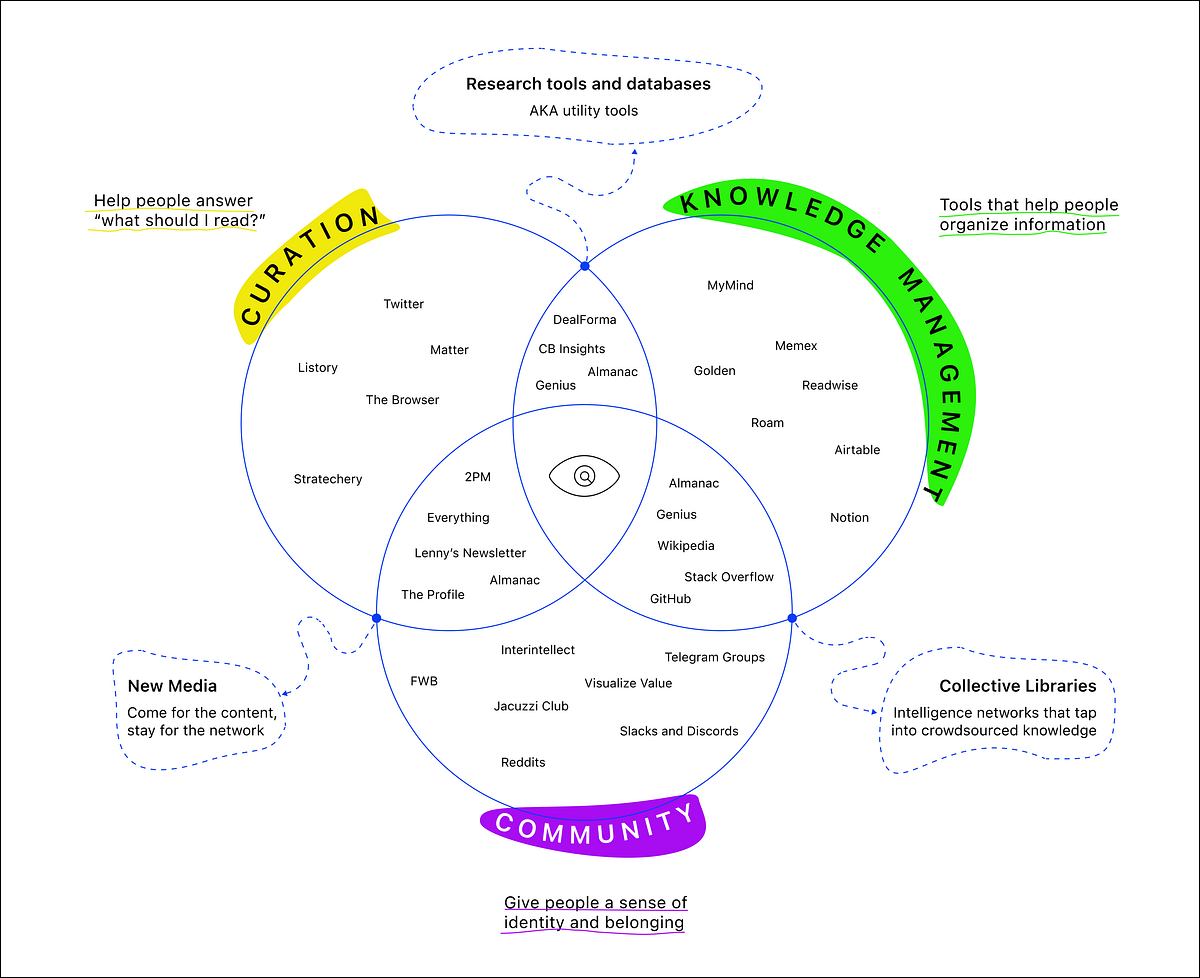
The rise of community-curated knowledge networks
The Internet put thousands of years of human thought at our fingertips, and enabled billions of people to create content. At least 2.5…
Landslide / Holdfast
Notes on what’s happening to our ability to collectively know things, and a look ahead to what this community is especially well positioned to do to support and revitalize our info ecosystems and the humans inside them.


Digital Commons: Our Shared Right to Knowledge and Culture
As the volume of cultural and scientific works produced and available on the internet continues to expand, the question of freedom to consult and use this immense ‘digital commons’ is becoming a critical one, particularly as cutting off access could entail serious consequences for education, cultural exchange, and even the health of European citizens.

Introducing Ringspace: A Proposal for the Human Web
For months, I've been working on a project to demonstrate how we can preserve humanity on the web. It's finally ready for testing.

Anthropic on Twitter / X
New Anthropic research: A global workspace in language models.Of everything happening in your brain right now, only a tiny fraction is consciously accessible—thoughts you can describe, hold in mind, and reason with.We found a strikingly similar divide inside Claude. pic.twitter.com/aLUPBifxth— Anthropic (@AnthropicAI) July 6, 2026

FediForum | Growing the Open Social Web un-workshop, 2026/03/02

AI Slop and the End of Knowledge
As an early fan of the internet, I was amazed that all the knowledge of the world was becoming available to everyone, everywhere, all the time. But things have changed.




The Web Is Being Made Accessible for AI, Not People
Jonathan Zong and Frank Elavsky critique how AI-driven infrastructure changes obscure accessibility and reveal whose needs society chooses to prioritize.

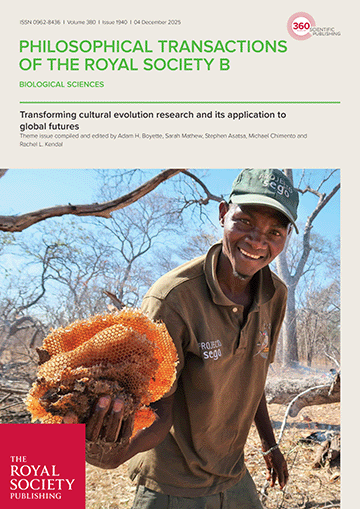
From information free-riding to information sharing: how have humans solved the cooperative dilemma at the heart of cumulative cultural evolution?
Abstract. Cumulative cultural evolution, where populations accumulate ever-improving knowledge, technologies and social customs, is arguably a unique featu
Millions of Volunteers Are Keeping the Internet Human. For Now.
We’re never going back to the human internet we had. But we can hope for a better internet than the AI-dominated one that is emerging, writes Sarah Gilbert.