

Decisions should usually be made quickly, to accelerate action and learning. But sometimes it really is smarter to take your time. Here's how to decide.
Overcoming Bias : Tiptoe Or Dash To Future?
To test who should TA elite classes, new physics grad students at U Chicago in ’81 were asked to pick a physics problem and explain its solution to the group. I did well by picking the question: should you walk fast or slow if you want to get the least water on your front while moving a certain distance in the rain. The answer is: move as fast as you can.
Thinking, Fast and Slow
Thinking, Fast and Slow is a 2011 popular science book by the Israeli-American psychologist Daniel Kahneman. Its main thesis is a differentiation between two modes of thought: "System 1" is fast, instinctive and emotional; "System 2" is slower, more deliberative, and more logical.

Why efficiency is dangerous and slowing down makes life better | Psyche Ideas
The urge to do everything faster and better is risky. Far wiser to do what’s good enough for the range of possible futures

When "fits and starts" is the most efficient path - @ASmartBear
When you go full-speed in one direction for a hot minute, then slam on the brakes and do something else, and keep doing that, and it's actually the correct course of action.
When moving fast, talking is the first thing to break
When you make speed and “moving fast” the biggest priority on a project or in an organization, the first thing to breakdown is talking to each other. Talking takes time. Consensus is expensive and slow. In a pressurized environment there’s no time to schedule calls, get input from subject matter experts, or resolve key differences of opinion. ASAP makes a big assumption that all relevant parties are already in the room.
be diligent
For individuals It's challenging to work a process when it moves slower than feels appropriate. In the context of computer conversations, the tactic of s...

Thinking Fast, Slow, Artificially: AI and Your Brain
AI can boost your decisions — or quietly undermine them. Wharton researchers introduce a new theory of cognition that every leader needs to understand.

Games Done Quick's Long, Difficult Journey To A Better Gaming Future
Progress isn't linear, and there are no skips or shortcuts

People Spend Too Much Time On Decisions with Equally Satisfying Outcomes
The pitfalls of analysis paralysis
A rational analysis of the selection task as optimal data selection.
A rational analysis of the selection task as optimal data selection.
Buy wisely
Whenever I buy things I try to prioritize cost per use. Sometimes I consider other priorities such as cost per smile, cost per thrill, cost per externality, ...
How To Do Less
You probably need to do fewer things right now. Prioritization, the other definition There’s two loose definitions of prioritization. Prioritization(1): Ordering a todo list. You make a giant list of things you could do, things you should do, things you’d like to do… and then you put a unique number...

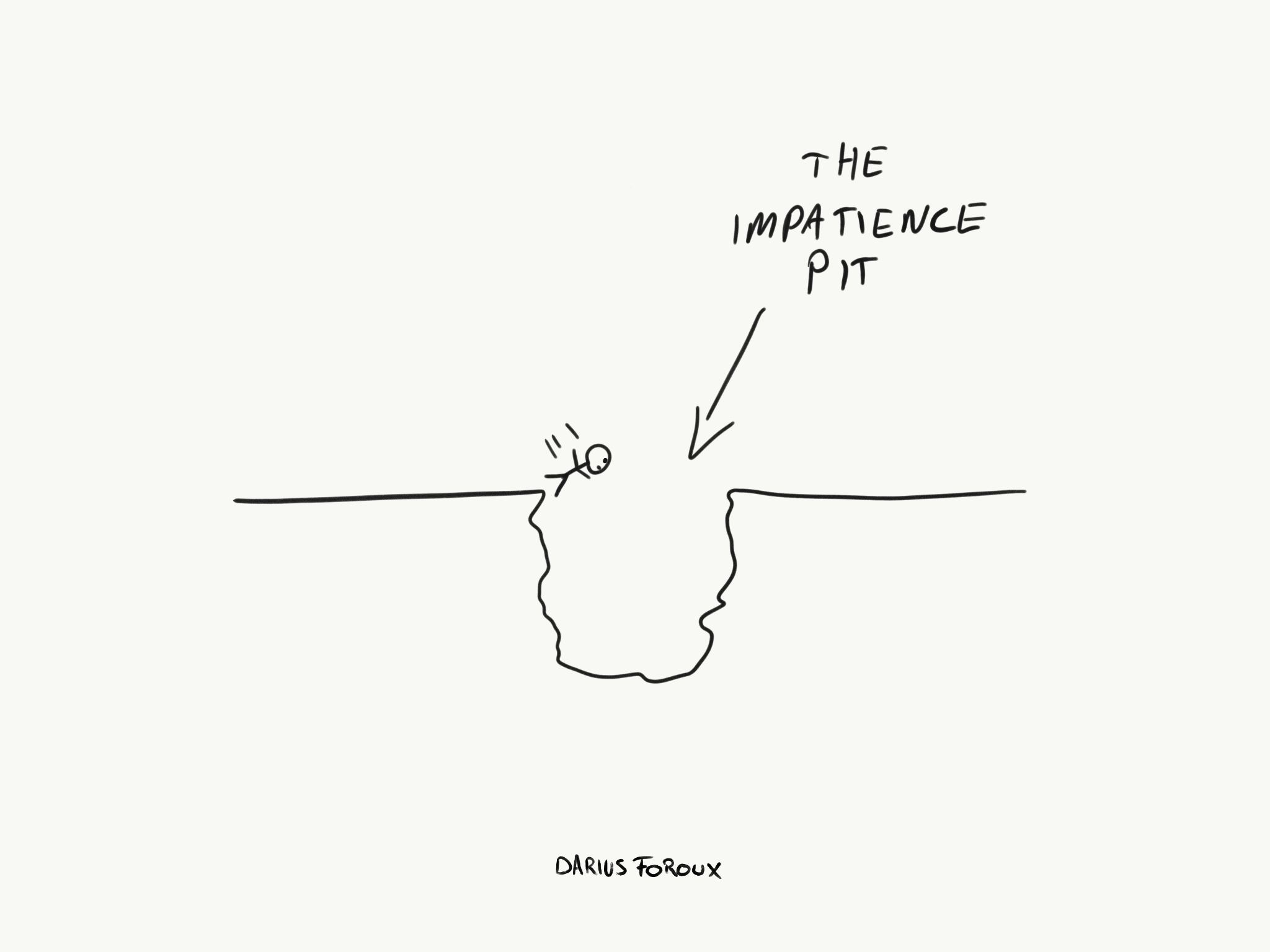
Impatience: The Pitfall of Every Ambitious Person
Big splashes don’t happen. Overnight success doesn’t exist. We have to remind ourselves of that whenever we show impatience.
It's easy to default to inaction when the path is unclear but you have to remember that inaction is itself an action. Refusal to make a decision [now] becomes the choice you make. #noteToSelf
