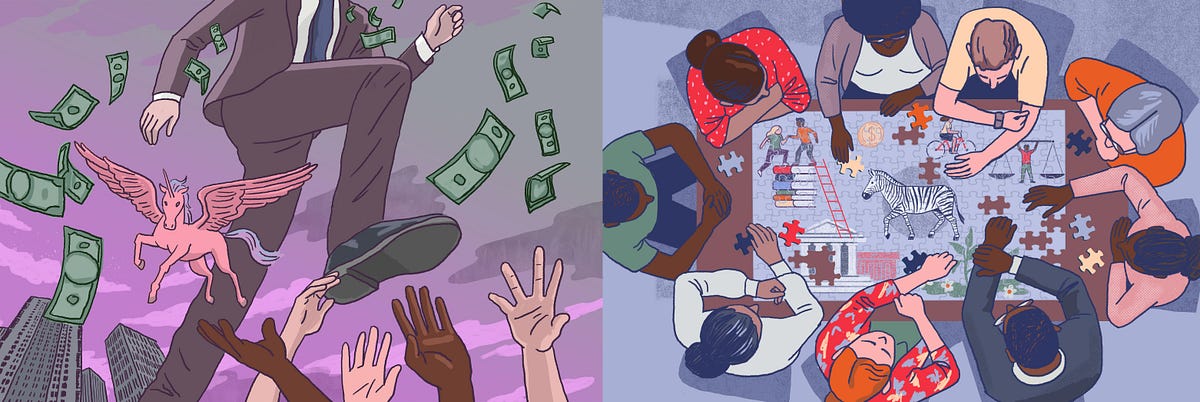
We're funding too many unsustainable companies.
The Race to Allocate One Trillion Dollars in Philanthropic Capital
Frontier Lab IPOs are coming, and philanthropy isn’t ready

louisgray.com: The Myth of the Billion Dollar Startup
According to the Wall Street Journal, there are now as many as thirty companies who consider themselves startups valued at a billion dollars or more , based on how much money they’ve raised through pr

A Trillion-Dollar Industry Deserves a Better Engine — Renaissance Philanthropy – A brighter future for all through science, technology, and innovation
With a new wave of philanthropic capital on the horizon, the most pressing binding constraint on that capital won't be the will to give it away; it will be the operational capacity to do so well.

Big Tech’s attention economy can be reformed. Here’s how.
The business model is doing irreparable harm to society. But there is an alternative, and we don’t need to destroy the tech giants to get there.
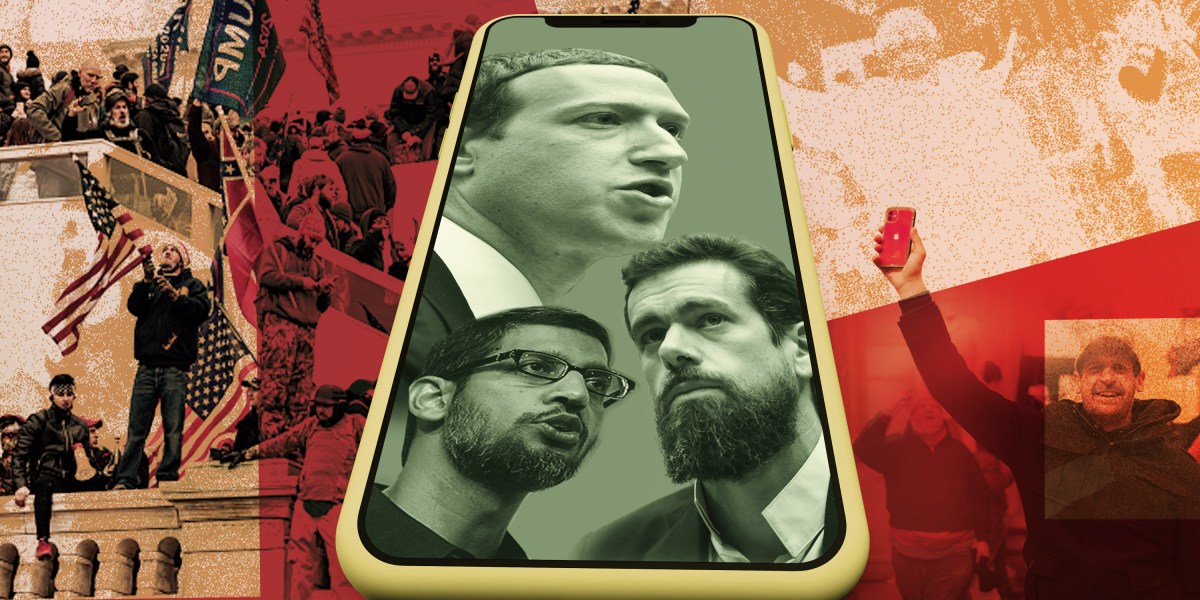
Big Media, Big Conflicts of Interest, Part 1: The Consolidation Craze & Illusion of Choice
Six companies control 90% of what you read, watch, and hear. Here's why that's dangerous.

Is Venture Capital Worth the Risk?
The industry shaped the past decade. It could destroy the next.

How Biotech Startup Funding Will Change in the Next 10 Years | Y Combinator
Back when YC was getting started about 10 years ago, Paul Graham wrote some [http://www.paulgraham.com/webstartups.html] essays [http://www.paulgraham.com/future.html] that predicted the way startup fundraising would change in the next decade – accurately, it turns out. Paul Graham predicted that there would be way more startups, that they’d be cheaper to start, that new kinds of investors would fund them, that founders would be more technical, and that founders would keep control of their compa
News — Improbable
Stay up to date with the latest from Improbable — company milestones, venture launches, thought leadership, and industry insights. Explore how we’re backing and building the next generation of ventures.
Reasonable
A straightforward funding mechanism that rewards innovators and risk-takers while remaining sensitive to the social impact of new…

The Beginning of the End of Big Tech
From politicians to VC firms, everyone is falling out of love with the massive, money-oriented, global technology titans. In their place, we have the chance to build something open and trustworthy.

Shaping the industry through independent reproduction of results within our companies
A friend who angel invests shared that some of his pre-seed investments are considering shutting down before even trying to raise their next round. This isn’t super surprising; many early-stage startups are struggling to hit the growth expectations to raise, which are extremely high at the moment, but what’s been interesting is why these companies are losing confidence: they’re just not sure there’s a need for software anymore, given how rapidly a good harness with a frontier model can build. This anxiety about the future isn’t limited to young startups; you can find it in startups of almost any size right now, boiling down to the fear that a lab might recreate your business tomorrow as a side project.

If philanthropy wants to push AI in a better direction, now is the time. At Mozilla, we’ve made over $20m in grants to people and projects building #TrustworthyAI over the past 5 years. These 10 Funding Principles sum up what we’ve learned along the way #AIFundingPrinciples 🧵
If philanthropy wants to push AI in a better direction, now is the time.At Mozilla, we’ve made over $20m in grants to people and projects building #TrustworthyAI over the past 5 years. These 10 Funding Principles sum up what we’ve learned along the way #AIFundingPrinciples 🧵— Mozilla (@mozilla) November 22, 2023
We used to get excited about technology. What happened?
Innovation that truly serves us all is in scarce supply. That’s a problem.

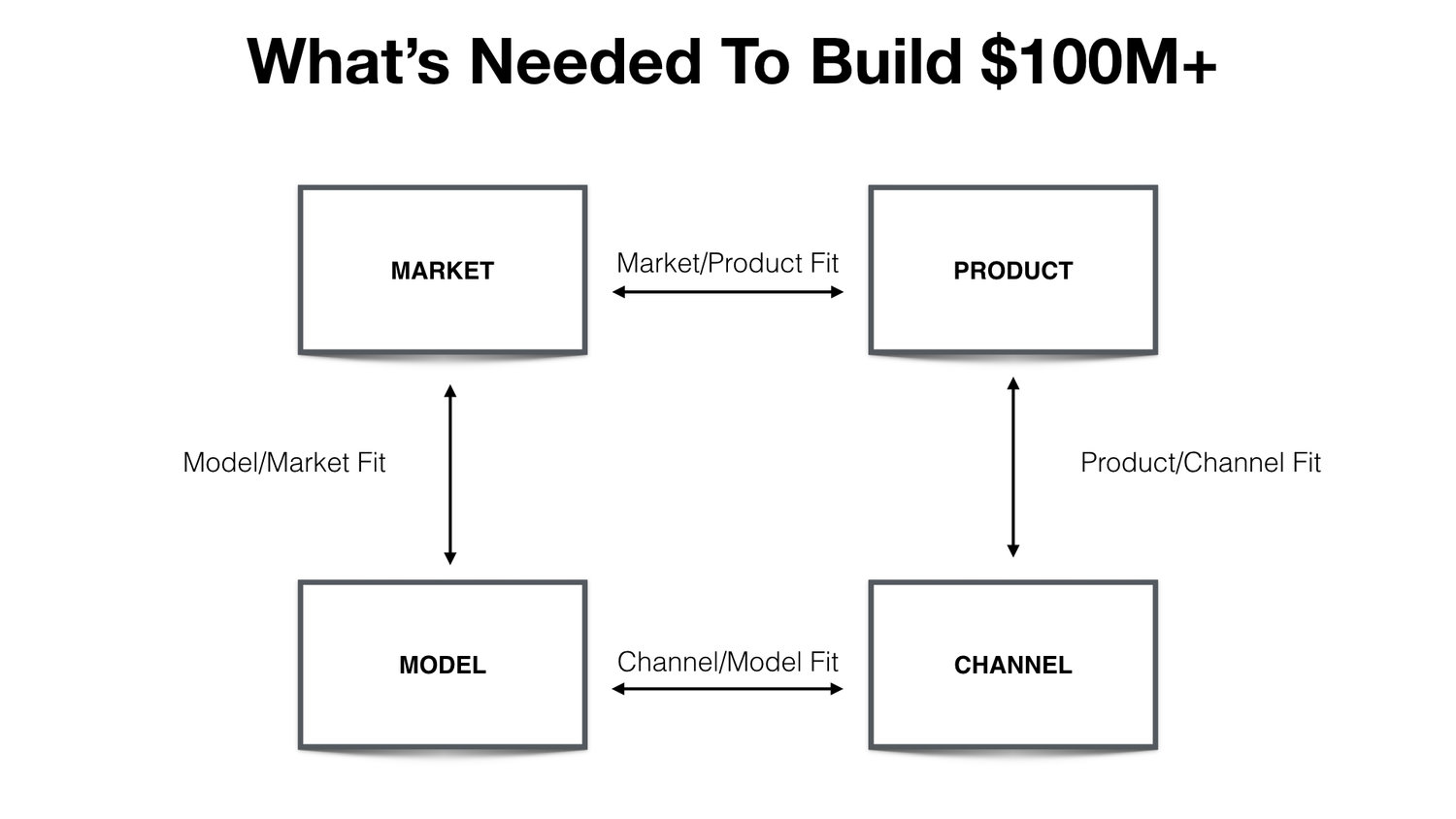
Why Product Market Fit Isn't Enough — Brian Balfour
I’ve been lucky to have been part of building, advising, or investing in 40+ tech companies in the past 10 years. Some $100M+ wins. Some, complete losses. Most end up in the middle. One of my main observations is that there are certain companies where growth seems to come easily, like gui
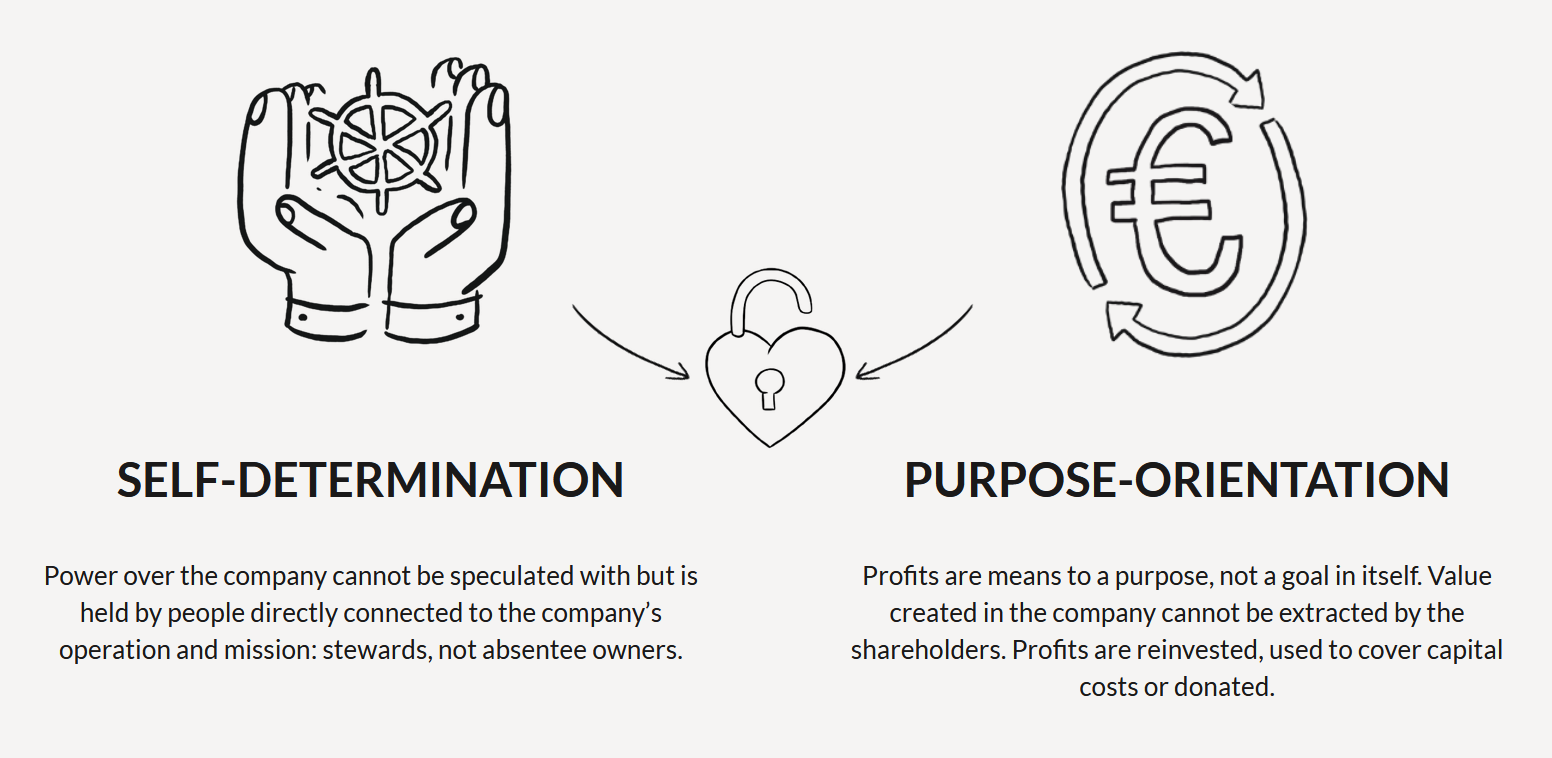
Company as a Commons
What if excess wealth derived from business couldn't be privatized? Through the levers of steward-ownership, companies can protect their purpose-oriented long term mission from the maligned incentives of absentee stakeholders.
Pivot to People: It’s Time to Build the New Economy
Today’s calls for ethical, humane, responsible, regulated and beneficial technology, compounded with venture capital’s virtue signaling in…