

In 1989, the internet was invented to help researchers at CERN more easily share ideas and communicate. The incredible growth of the internet that came after…
Announcing Aster - a home for researchers on the open web - Aster Blog
In 1989, the internet was invented to help researchers at CERN more easily share ideas and communicate. The incredible growth of the internet that came after…
Aster ID
An account and hosting for researchers on the open web — a place to build and own your identity, website, data and connections. Not-for-profit, built by researchers, for researchers.

Incubating Aster - Updates from the Modal Foundation
We at the Modal Foundation are excited to share the news of our support for Aster.id, a new home for researchers on the open web. Aster grows out of the ATsc…
CERN70: Where the Web was born…
In 1989, Tim Berners-Lee, a young scientist working at CERN, wrote a proposal for an information management system based on the Internet. At the time, few people really understood the significance of his seemingly abstract idea. Luckily, however, his supervisor and a few colleagues had the foresight to let him work on an invention that would change the world.

Anil Dash on The Web We Lost
FediForum | Growing the Open Social Web:<br>An Online Un-Workshop
Since the Twitter takeover by Elon Musk over three years ago, the Open Social Web has been adopted by an enthusiastic community. People world-wide are building and using open social platforms and open social protocols to better interact with others online.

Introducing Sequoia: Publishing for the Open Web
Today I'm excited to release a new tool for the AT Protocol: Sequoia. This is a CLI tool that can take your existing self-hosted blog and publish it to the ATmosphere using Standard.site lexicons.

Blogging on the open social web - and more exciting features - pckt - Dev Journal
ATmosphere — referring to the growing ecosystem of applications built on the AT Protocol, a federated protocol for open social platforms. Not to be confused ...
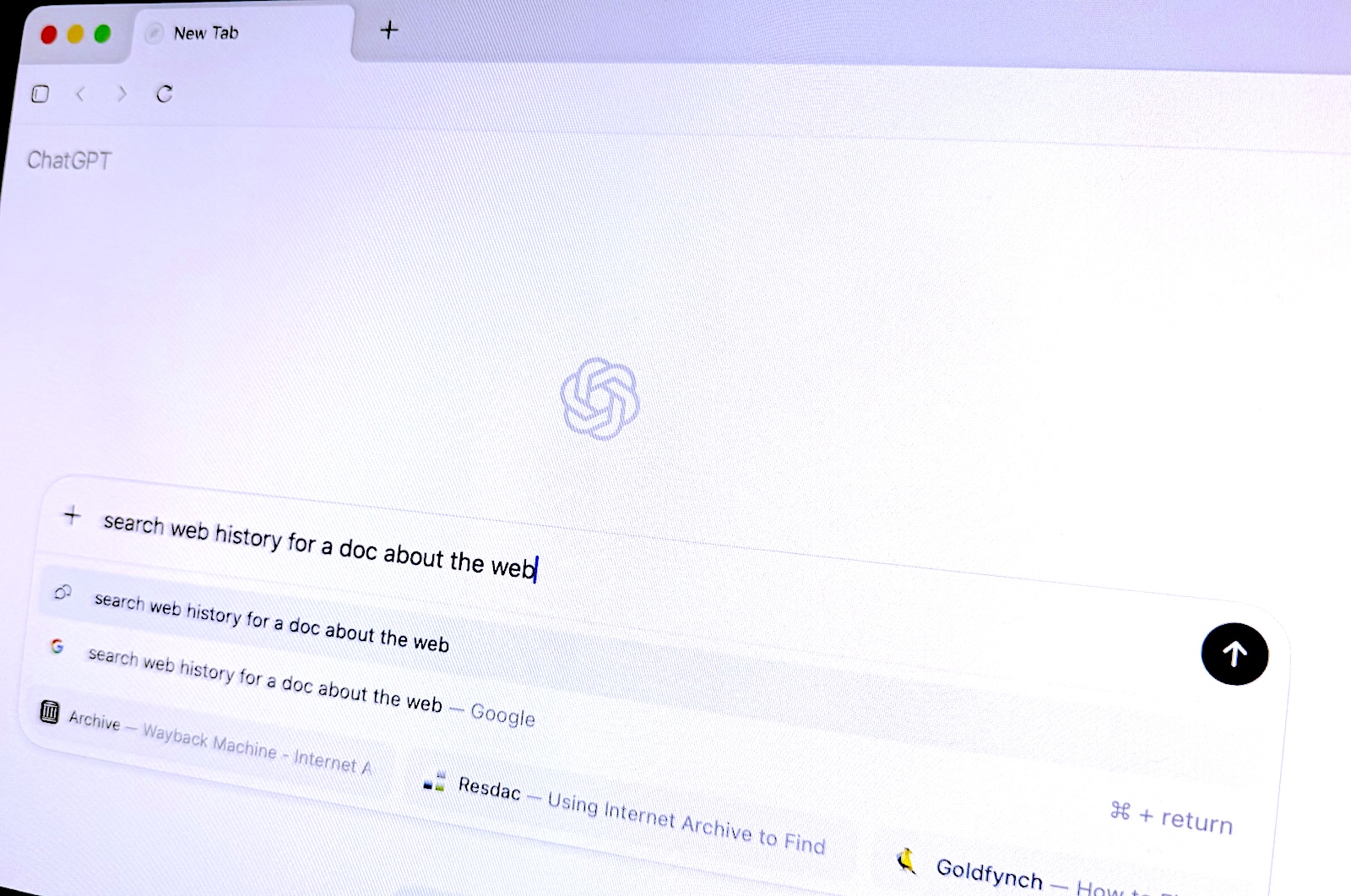
ChatGPT's Atlas: The Browser That's Anti-Web - Anil Dash
A blog about making culture. Since 1999.
On open-science research labs on discord and online , and getting more people.
gregpak.link: Yes We Blog! Webring
A webring for real people who actually blog. Yes, a functioning webring in 2025!


Home | Bellingcat's Online Investigation Toolkit
A toolkit for open source researchers

Here's a write-up about some changes that have recently been made jared-tries-to-blog.pckt.blog/at-protocol-rss-v2-w5fq64p

AT Protocol & RSS v2
jared-tries-to-blog.pckt.blog
Jared Lemler
It's a long one 😬 Spent most of my weekend working on the fixes and writing the blog. As well as most of this morning. I'd love to discuss more about this if anyone has questions or I need called out for something👍 I won't say I have figured it all out, just giving my best lol.
Frontiers In Research webinar on changes in science communication, the role of social media, and new infrastructure/tools - tomorrow (7/18) at 2 pm ET Looking forward to chatting with @ronentk.me & @joelchan86.bsky.social luma.com/7l18yyg4

Frontiers In Research: Open Science · Zoom · Luma
luma.comTechnological

Posts about the future of the internet, AI, and anything technological. Hence the name.
‘Doom Loop’: OpenAI and Microsoft Admits LLMs Are Destroying the Web and Built on Theft

Cory Doctorow: AI’s big beasts aren’t really scared of their products. They’re scared of their competition

How AI Chatbots Are 'Deskilling' Human Empathy
Pluralistic: The Claude Delusion (21 Sep 2026) – Pluralistic: Daily links from Cory Doctorow
Commentary: Cory Doctorow: Technopolitics
Field Notes: The Architecture of Rationalization - Aaron Ross Powell

