

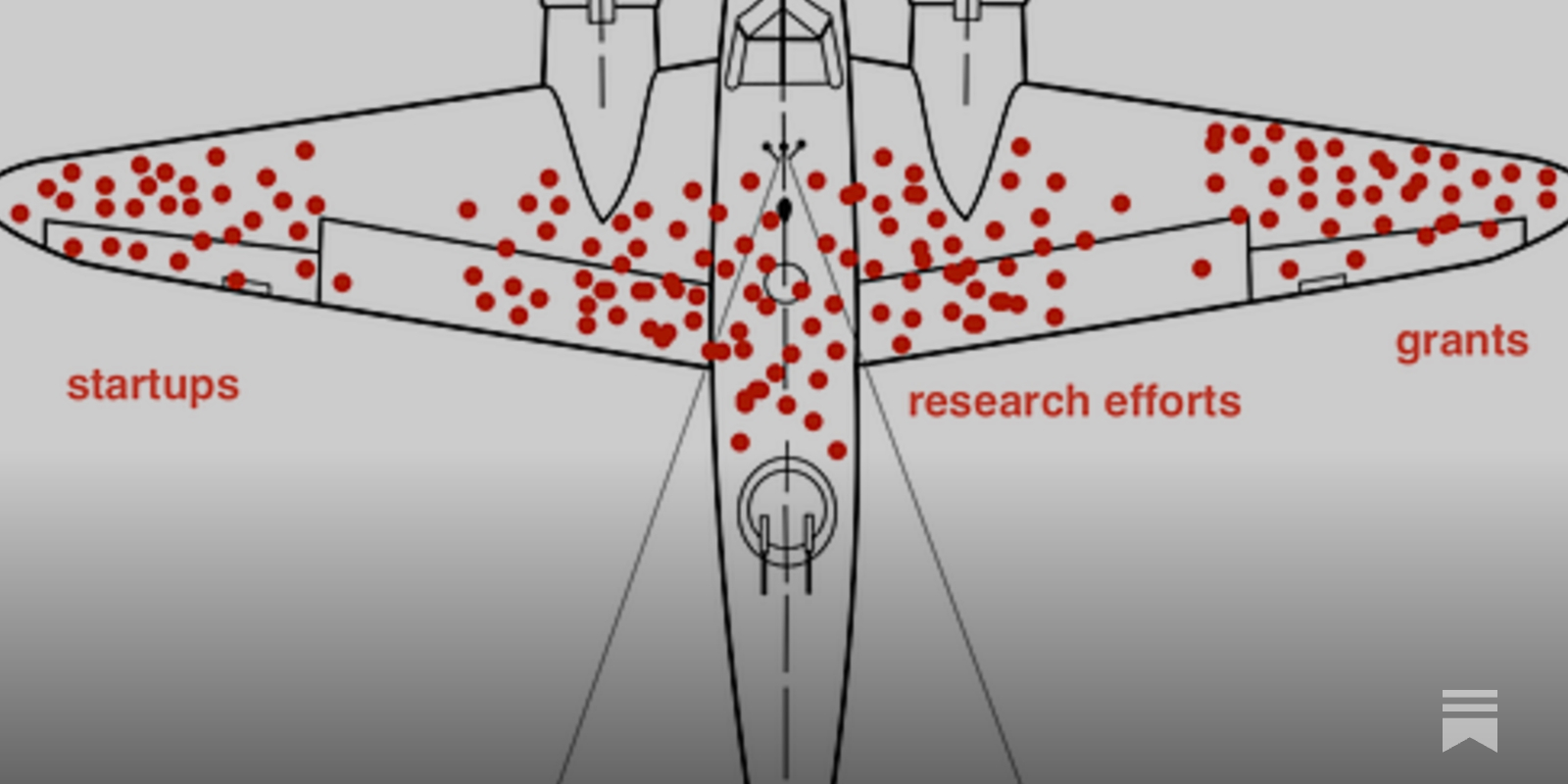
If your problem is structural, your approach must be radical.
Bridges & scruples
For your own sanity, you have to remember that not all problems can be solved. Not all problems can be solved, but all problems can be illuminated. —Ursula Franklin
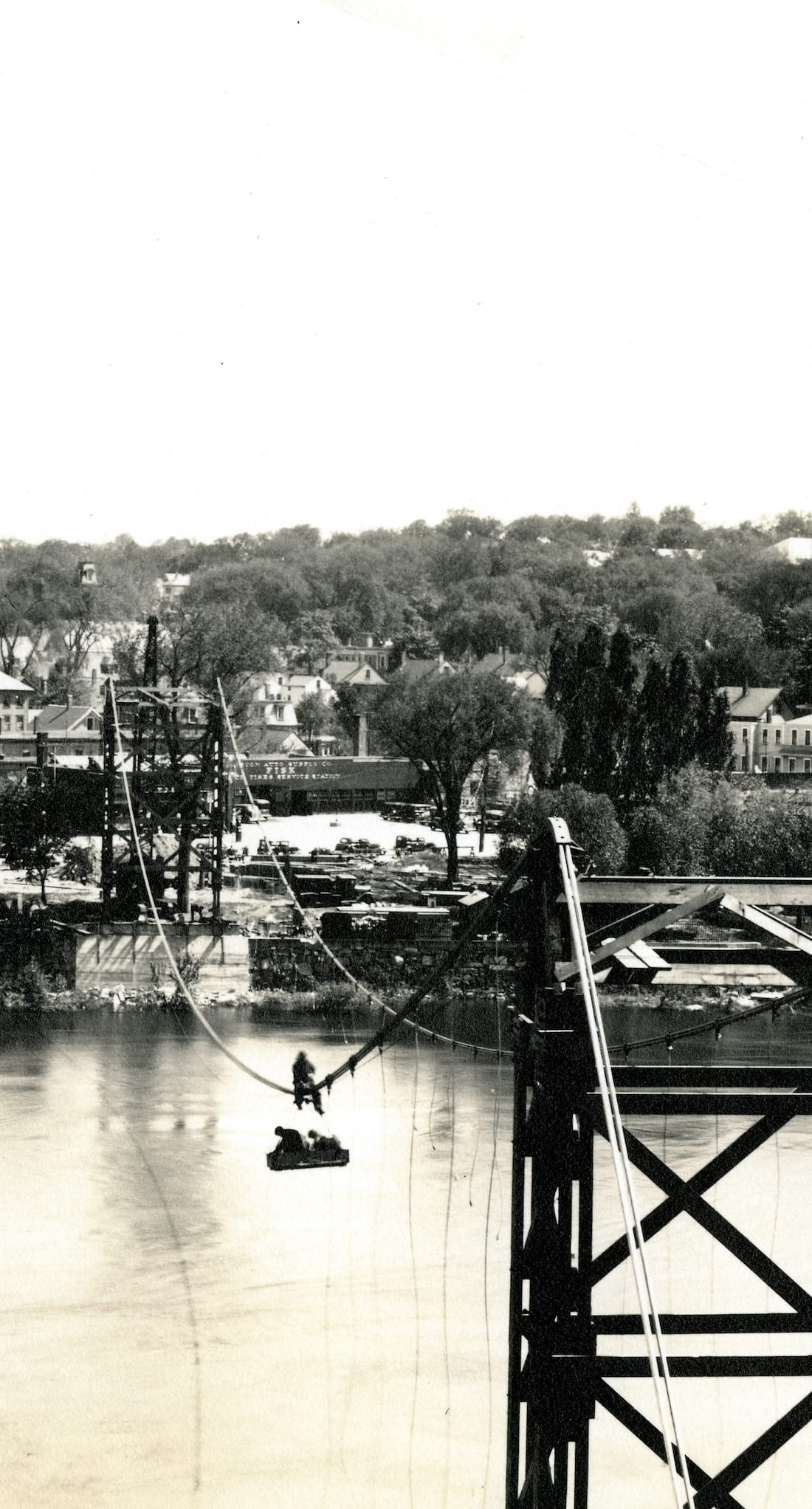
Problem Framing
Explore a problem space and formulate a robust problem statement to ensure you’re solving the right problem. Time: 45+minutes Group Size: 2+ people Level: Intermediate
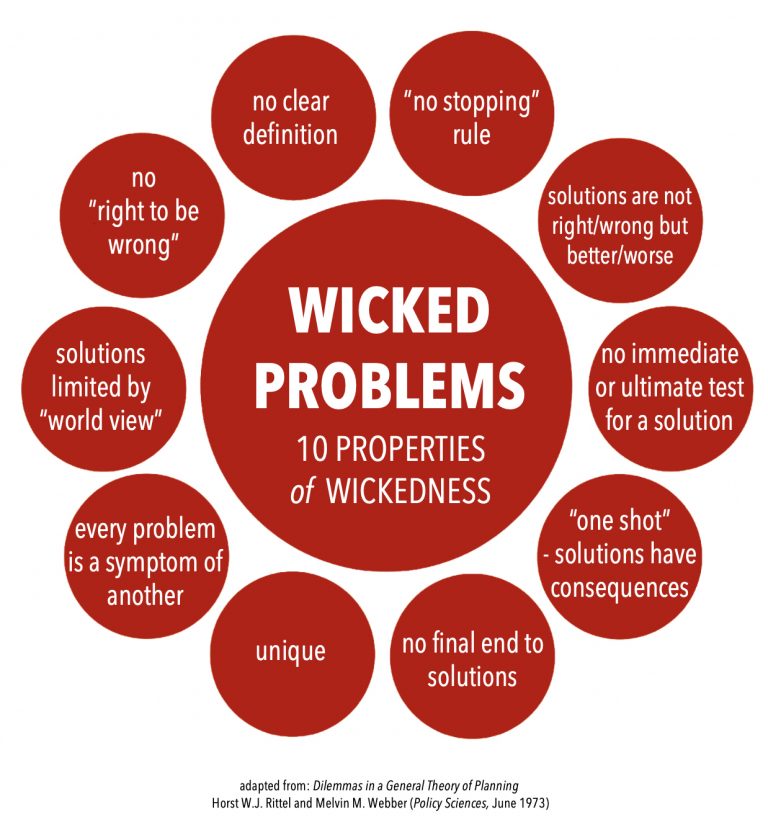
Dilemmas in a general theory of planning
The search for scientific bases for confronting problems of social policy is bound to fail, becuase of the nature of these problems. They are “wicked” problems, whereas science has developed to deal with “tame” problems. Policy problems cannot be definitively described. Moreover, in a pluralistic society there is nothing like the undisputable public good; there is no objective definition of equity; policies that respond to social problems cannot be meaningfully correct or false; and it makes no sense to talk about “optimal solutions” to social problems unless severe qualifications are imposed first. Even worse, there are no “solutions” in the sense of definitive and objective answers.

The Tragedy of the Commons
The population problem has no technical solution; it requires a fundamental extension in morality.

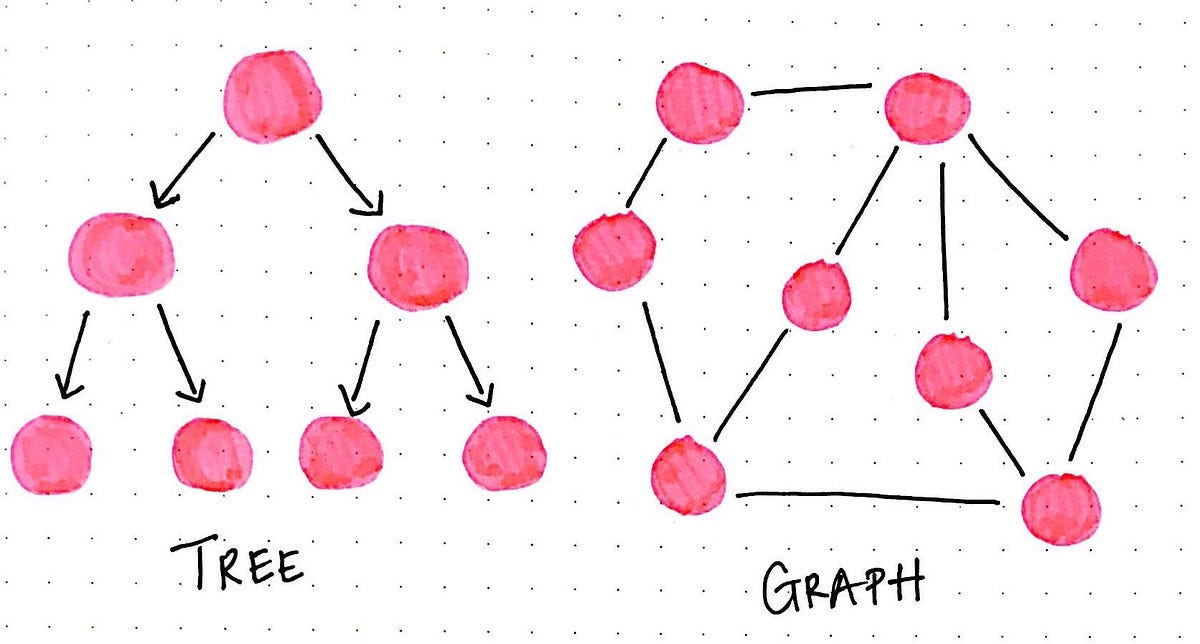
A Gentle Introduction To Graph Theory
So many things in the world would have never come into existence if there hadn’t been a problem that needed solving. This truth applies to…
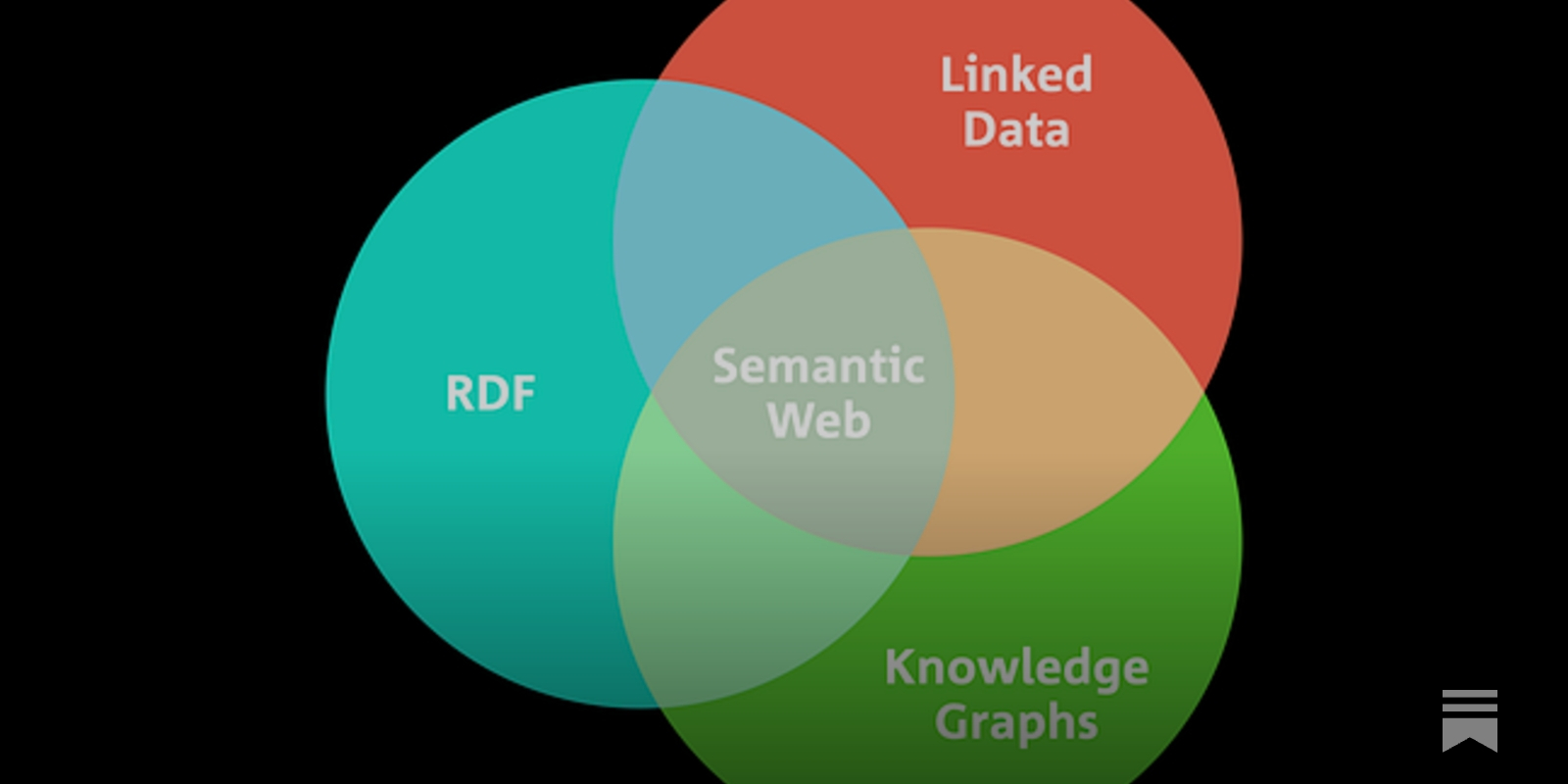
Radical Interoperability is a Political Agenda
Model the world you want to live in.

How I stopped worrying and learned to love the easy fix
On the balance between perfect solutions and pragmatic fixes in software engineering
Double Diamond (design process model)
Double Diamond is a design process model popularized by the British Design Council in 2005. The process was adapted from the divergence-convergence model proposed in 1996 by Hungarian-American linguist Béla H. Bánáthy. The two diamonds represent a process of exploring an issue more widely or deeply and then taking focused action . It suggests that, as a design method, the design process should have four phases:Discover: Understand the issue, rather than assuming its nature: speak to and spend time with people who are affected by the issue, to find out which problems are common among users. It is critical to start from the issue you aim to address, and not from the solution you wish to use. Define: With insight gathered from the discovery phase, distill the information, identify chains of cause-and-effect, and define the problem. This requires both differentiating and synthesizing the challenges faced by many users, to outline the problem space and appreciate its complexity. Develop: Come up with different solutions to the clearly defined problem, seeking inspiration from elsewhere and co-designing with a range of different people and specialties. Approaching a problem with a variety of strategies accesses creative solutions which may not be apparent to those experienced in one particular field. Deliver: Test different solutions at a small scale, and iterate and improve the solutions which address users' needs. Reject solutions that do not work, or cannot scale up to practical application.

In Soviet Union, Optimization Problem Solves <em>You</em>
Cross-posted at Crooked Timber, as part of the seminar on Red Plenty. That version has uglier math, but allows comments.
Wicked problem
In planning and policy, a wicked problem is a problem that is difficult or impossible to solve because of incomplete, contradictory, and changing requirements that are often difficult to recognize. It refers to an idea or problem that cannot be fixed, where there is no single solution to the problem; "wicked" does not indicate evil, but rather resistance to resolution. Another definition is "a problem whose social complexity means that it has no determinable stopping point". Because of complex interdependencies, the effort to solve one aspect of a wicked problem may reveal or create other problems. Due to their complexity, wicked problems are often characterized by organized irresponsibility.
Design Sprints
A structured, time-boxed process for rapidly exploring problems, generating ideas, and validating solutions with real users.

We're getting the social media crisis wrong
The bigger problem isn't disinformation. It's degraded democratic publics

We're getting the social media crisis wrong
The bigger problem isn't disinformation. It's degraded democratic publics
"the crucial step in crisis engineering is to re-establish a common view which corresponds to reality – to restore sense-making. Once that step has been taken, actually solving the problem becomes a tractable task, and without it nothing is going to work" -- @dsquareddigest.bsky.social

a failure of sense making
backofmind.substack.com
