In the last few days I have come across, or had sent to me, anguished cries from people who have recently been dragged on social media and cannot fathom the injustice of it, and I find myself thinking: You haven’t figured this out yet? You complain about your words being taken out of context when you post them in an environment whose entire structure — as we have all known for fifteen years now — demands context collapse? How many more times do you plan to smack your head against that unyielding wall?
Working with Contexts
The following article comes from two blog posts by Drew Breunig: “How Long Contexts Fail” and “How to Fix Your Contexts.”Managing Your Context is the Key

Brett Scott (@brettscott)
Marshall McLuhan is famous for his observation that the form of a communication technology can shape our mind and society The age of the printed book, for example, carried with it a particular way of being. Regardless of the differing content of different books, all books required a particular mindset in which a thread is followed from the beginning to the end through an arc I feel the age of social media is like the age of a ripped up book, as if we were surrounded by torn shards and shreds of paper floating like confetti around us. We grab for them, hoping for some tiny insight, but not having any way of knowing where it fits in the overarching narrative This note is one such shard. You can toss it away now


Everything is In-Between — Douglas Rushkoff
I’ve begun this piece maybe twenty times in the past three weeks. By the time I’ve finished the first paragraph, some new thing happens that obsolesces whatever event I’m writing about. And I’m not even writing about the news, so much as using one shared moment as a “peg” for a piece about some larger phenomenon or strategy.
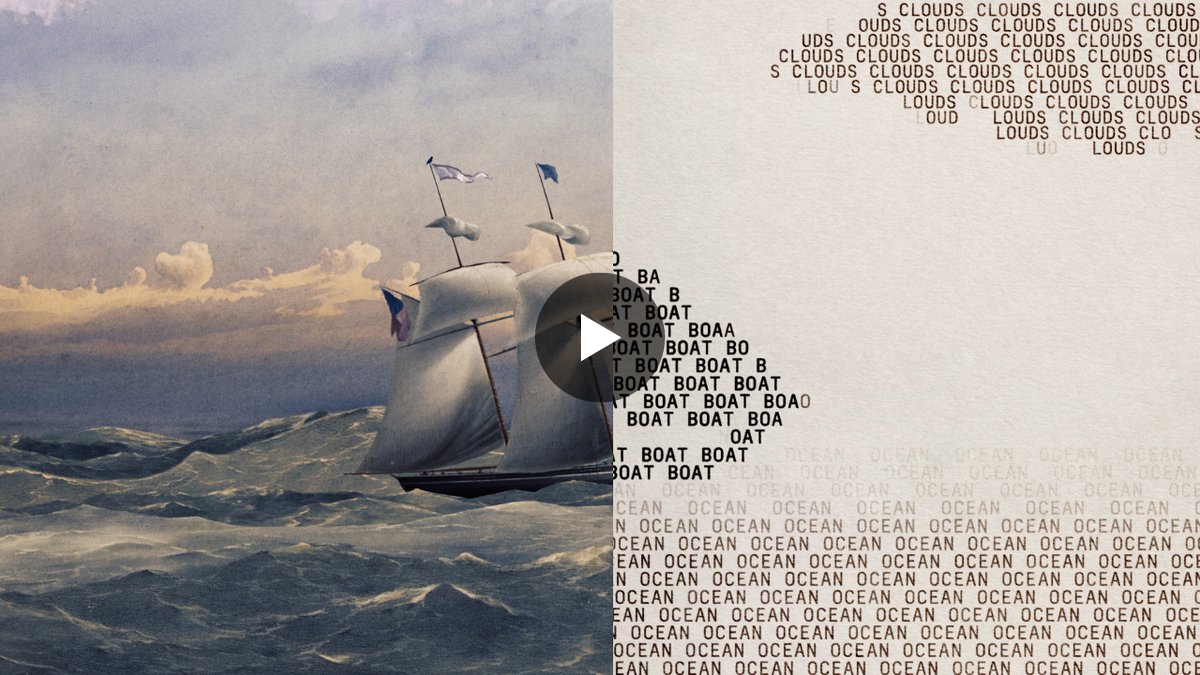
Clouded skies for open networks
Last week, I finished an essay about platform design affordances and content moderation expectations and community-level context collapse on Bluesky for Tech Policy Press and set it aside to cool before a last read-through. An hour later, the Trump administration brought to Bluesky a propaganda-zombie army made
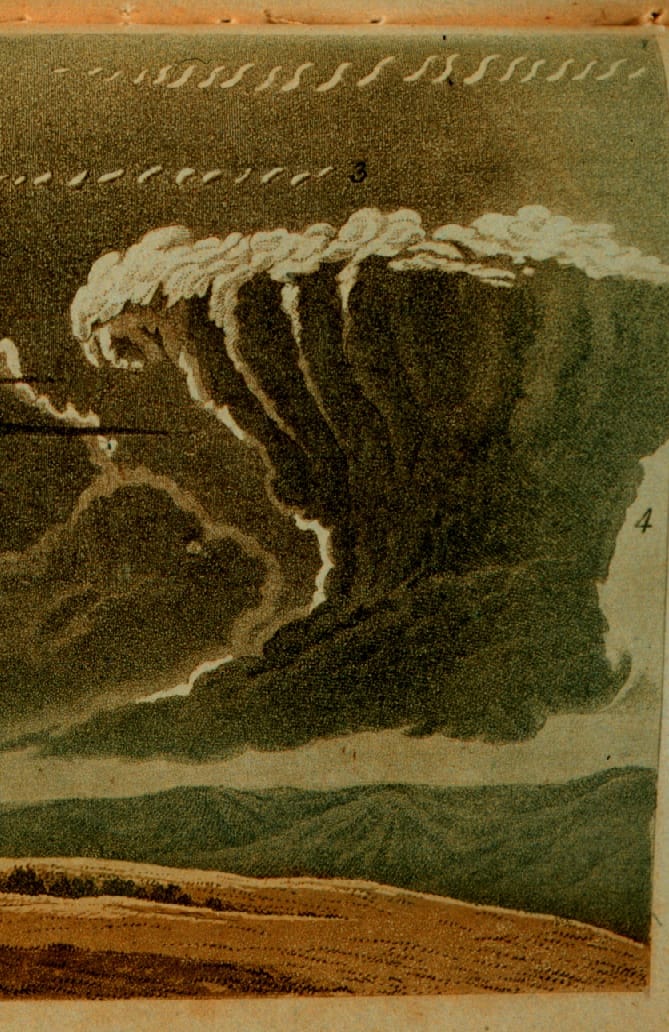
Annotate the World — Real Life
Marginalia, like Twitter, provide a mortifying window to the self

on ui as a metaphor
a personal manifesto and declaration - also known as I am threading a connection through all the notes I've sent myself over the last six months

Dec 2020 -- Jelle Bruineberg -- Embodied cognition and the attention crisis
The Unbearable Brightness of Seeing
Is “frame architecture” our escape route from the dogma trap of endless culture wars?

Opinion | Stop Googling. Let’s Talk. (Published 2015)
What have we done to face-to-face conversation?

‘It’s frightening’: How far right is infiltrating everyday culture
Extremist messaging now woven into music and YouTube videos, with one expert saying: ‘You can be radicalised sitting on your couch’

Anthropic on Twitter / X
New Anthropic research: A global workspace in language models.Of everything happening in your brain right now, only a tiny fraction is consciously accessible—thoughts you can describe, hold in mind, and reason with.We found a strikingly similar divide inside Claude. pic.twitter.com/aLUPBifxth— Anthropic (@AnthropicAI) July 6, 2026
The Feed is the Product: Why We Stay in Walled Gardens, and Why We Might Finally Leave for the Open Social Web - Zsolt's pckt blog
We have known this for years. We have known that the major platforms are bad for our attention, our sleep, our politics, our children, and our sense of reality....
Andrew Sullivan: My Distraction Sickness — and Yours
An endless bombardment of news and gossip and images has rendered us manic information addicts. It broke me. It might break you, too.

It's working - Tynan's Leaflets
5 pieces of context on a single post, proving what the social web offers today
A Philosopher’s One-Word Theory to Explain Why the World Feels So Weird
Once you learn what the "uni-context" is, you won't stop seeing it everywhere