

I’d like to break from my normal tradition of focusing almost strictly on technical content and share a bit of my own personal relationship with Free and Open Source Software (FOSS). While everyone is different, my hope is that sharing my perspective will help build understanding, empathy and trust.
FOSS funding, co-operation, and the Digital Life Collective
Free open-source software (FOSS) is the bedrock of our digital world. This is a story about getting funding for FOSS engineering…
Open Source and Free Software Considered Harmful — marisa's "blog"
(It's best to read this blog post after reading Steve Klabnik's The culture war at the heart of open source and What comes after “open so...

Keep Your Friends Close — Open Tech Strategies | Blog
One of the insider secrets of free and open source software (FOSS) is that most of the rules a project uses on a day-to-day basis are not found in the software’s license. There are contribution guidelines, which are enforced by the project only taking contributions that meet them. There are codes of conduct, which are a condition of community participation. There are endorsements, official membership, a voice in setting the project roadmap, and all kinds of other benefits that attach to varying types of community participation. In each case, entirely external to the license, there are official rules and unwritten norms that govern how participants gain the benefits of joining the civic life of a project.
Platform Cooperativism as a Critique of Open-Source
I am a pretty assiduous digital commoner, for what it’s worth. I almost exclusively use free/libre/open-source software (hereafter FLOSS), evangelistically so. I try to practice open journali…
Ten FOSS Development Fallacies For User Facing Software
This is a list, inspired by the Five Geek Social Fallacies, of common patterns or behaviours that developers of free/open source software (FOSS) fall into when they try to develop software for users who are not technical, or for whom non-technical users would be the most obvious userbase. Hopefully writing these down (which frankly is cathartic more than anything) is helpful to some in recognising these thought patterns and avoiding them when developing software - I’ve got some of my own thoughts on this at the bottom.
The Ethos of Open Source – Mitchell Baker
A couple of months ago I started posting about how I want to build a better world through technology and how I’ll be doing that outside of Mozilla going forward. The original post has many references to “open” and “open source.” It’s easy to think that we all understand open source and we just need to apply it to new settings. I feel differently: we need to shape our collective understanding of the ethos of open source.
Weaving Safety into the Fabric of Open Source Collaboration – about:community
At Mozilla, with over 400 staff in community-facing roles, and thousands of volunteer contributors across multiple projects: we believe that everyone deserves the right to work, contribute and convene with ...

Software Freedom in a Post Open Source World
(Or: How I Learned to Stop Worrying and Love Software Freedom)

The day open source died: a story about Minecraft, Bukkit, and the GPL
Once upon a time, I volunteered in the Minecraft open source community with Bukkit and Spigot. This is a story about FOSS and young folks.
Open Source is Not Enough
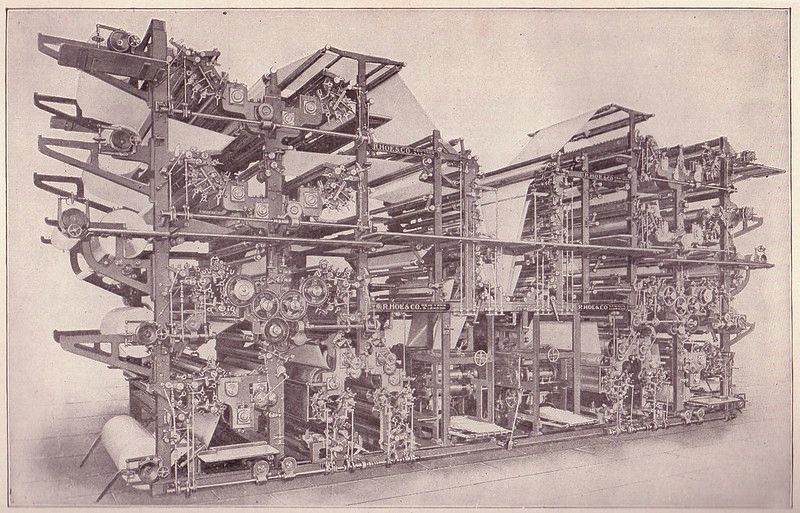
by James Halliday // The open source movement has fundamentally changed how software gets written. But in the process, corporations have been given a vast gift of free labor.
Open Source Explained — Open Indie
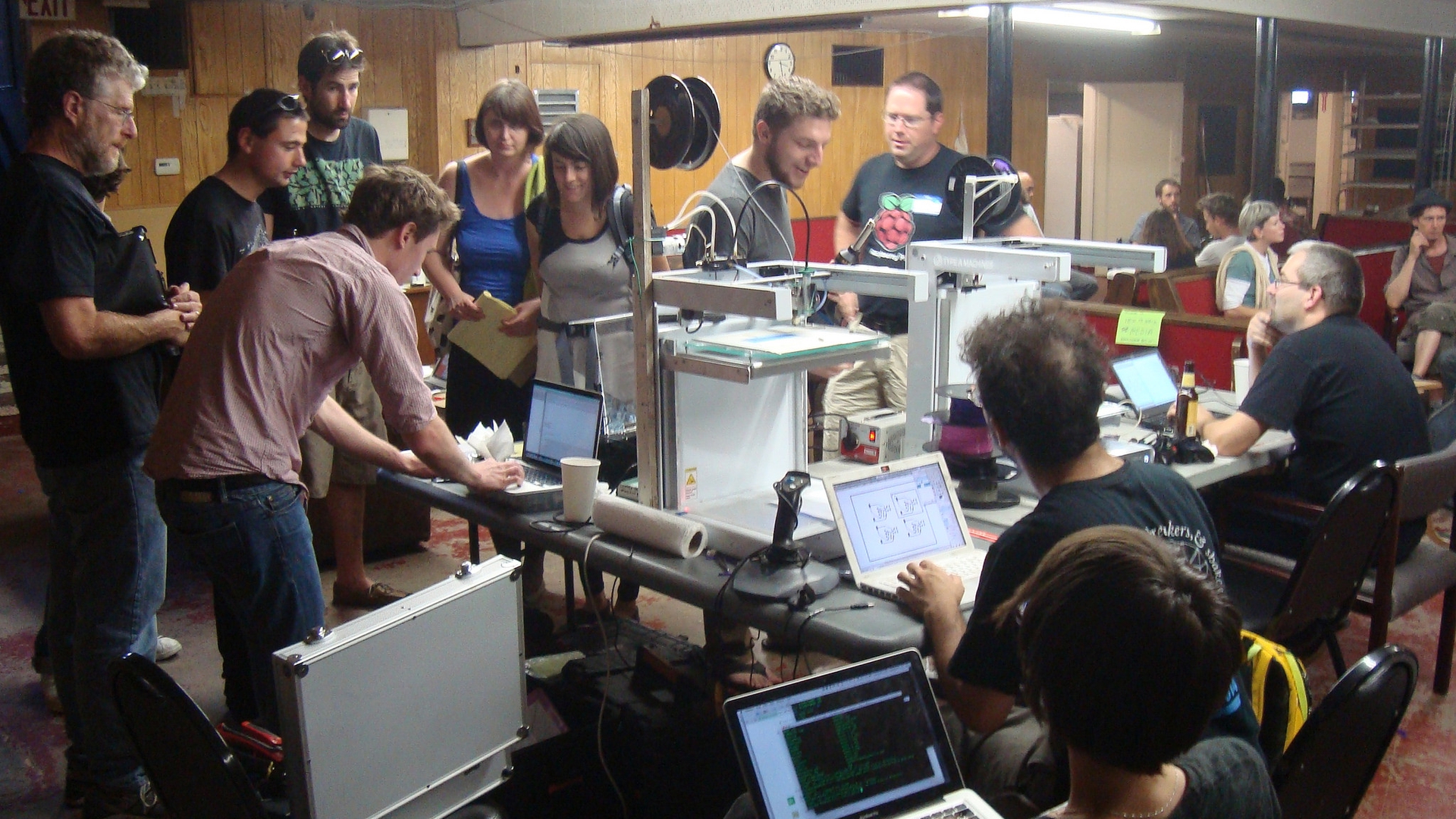
Musings on the concept of ‘open source’, in the broadest possible definition of the term. Also an invitation to become a participant in ...
Creating The Open-Source Community Of Your Dreams | TechCrunch
When a company decides to embrace open-source software development, releasing the code under a suitable license is only the tip of the iceberg. The real challenge that companies face is learning how to attract and collaborate with contributors. It's not easy, but fostering the growth of a healthy community is a necessary step that will help your open-source software project fulfill its potential.

A Microcosm of the interactions in Open Source projects | RobMensching.com
Originally a thread on Twitter about the xz/liblzma vulnerability, when I finished typing it, I realized I had a real world slice of Open Source interaction that deserved more attention.

Hacker, Hack Thyself
We’ve read so many sad stories about communities that were fatally compromised or destroyed due to security exploits. We took that lesson to heart when we founded the Discourse project; we endeavor to build open source software that is secure and safe for communities by default, even if there

Hacker, Hack Thyself
We’ve read so many sad stories about communities that were fatally compromised or destroyed due to security exploits. We took that lesson to heart when we founded the Discourse project; we endeavor to build open source software that is secure and safe for communities by default, even if there