

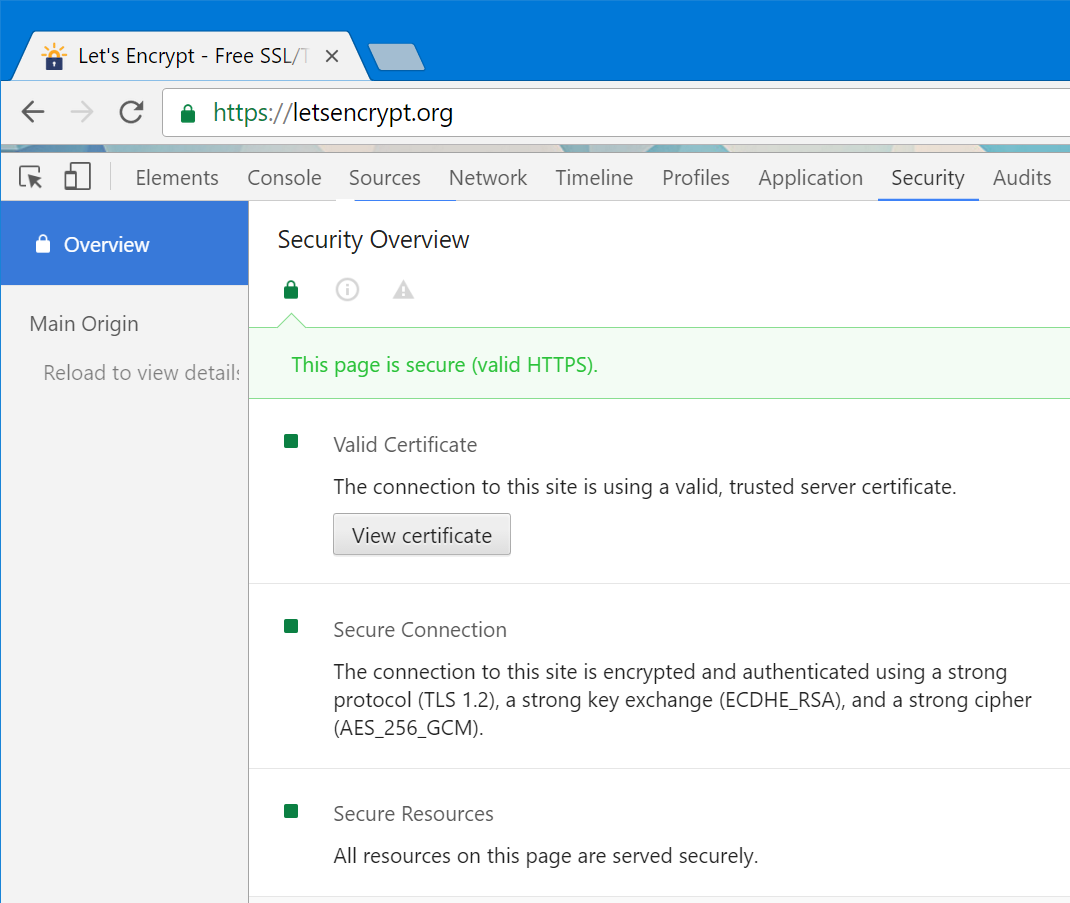
I’ll admit I was late to the HTTPS party. But post Snowden, and particularly after the result of the last election here in the US, it’s clear that everything on the web should be encrypted by default. Why? 1. You have an inalienable right to privacy, both in
Why you should care about HTTPS, even if you have nothing to hide | Ben Balter
HTTPS protects more than passwords and credit cards. It prevents censorship by making selective content blocking impossible.
Privacy Principles
Privacy is an essential part of the web. This document provides definitions for privacy and related concepts that are applicable worldwide as well as a set of privacy principles that should guide the development of the web as a trustworthy platform. People using the web would benefit from a stronger relationship between technology and policy, and this document is written to work with both.
Privacy Principles
Privacy is an essential part of the web. This document provides definitions for privacy and related concepts that are applicable worldwide as well as a set of privacy principles that should guide the development of the web as a trustworthy platform. People using the web would benefit from a stronger relationship between technology and policy, and this document is written to work with both.
The web should remain anonymous by default | The Mozilla Blog
The unique architecture of the web enables a much higher degree of user privacy than exists on other platforms. Many factors contribute to this, but an ess

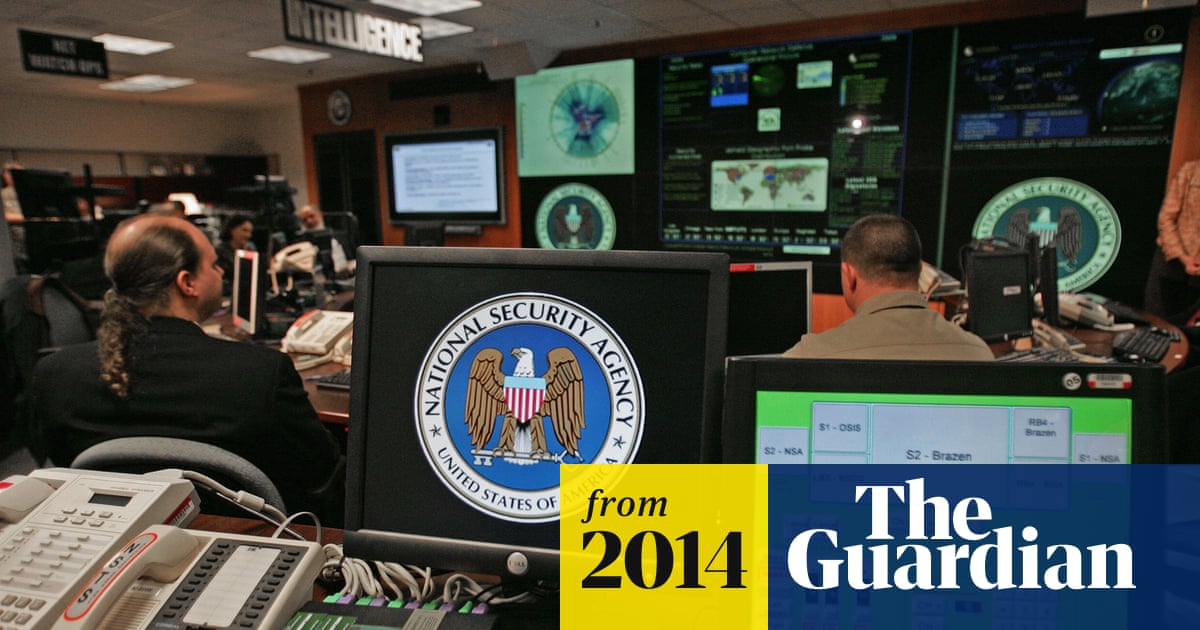
Privacy under attack: the NSA files revealed new threats to democracy
We now know the apparatus of repression has been attached to the democratic state, but our struggle for privacy is far from hopeless. By Eben Moglen
Why Meta is retreating from encryption
In 2019, Mark Zuckerberg called privacy the future of social networking. Not anymore

A Cypherpunk's Manifesto
Privacy is necessary for an open society in the electronic age. Privacy is not secrecy. A private matter is something one doesn't want the whole world to know, but a secret matter is something one doesn't want anybody to know. Privacy is the power to selectively reveal oneself to the world.
The Decentralized Internet Is Here, With Some Glitches
Privacy advocates and venture capitalists want to circumvent the tech giants with apps using encrypted data stored on networks of computers.
Privacy, human rights, and Tornado Cash
I am more worried about privacy than crypto crime.

Germany: New government plans 'right to encryption'. | Tuta
The coalition contract of the newly elected German government contains right to encryption.
TLS Everywhere, not https: URIs - Design Issues
A few years after HTTP appeared, around when W3C was founded in 1994, it was clear that an unencrypted and unauthenticated connection was too much of a liability for a lot of serious stuff, such as e-commerce, which everyone wanted to do on the web. (In those days, mass Deep Packet Inspection was not technically feasible, so the ubiquitous snooping which we have to day was not the main driver.) There were, among the ideas, two secure versions of HTTP proposed, one known as S-HTTP and the other, as HTTP-S. To cut a long story short, HTTP-S prevailed.
You Really Do Have Some Expectation of Privacy in Public
When we spend time fighting the growing ubiquity of both public and private surveillance cameras we often hear a familiar refrain: “you don’t have an expectation of privacy in public.” This is not

Privacy and human behavior in the age of information
This Review summarizes and draws connections between diverse streams of empirical research on privacy behavior. We use three themes to connect insights from social and behavioral sciences: people's uncertainty about the consequences of privacy-related behaviors and their own preferences over those consequences; the context-dependence of people's concern, or lack thereof, about privacy; and the degree to which privacy concerns are malleable—manipulable by commercial and governmental interests. Organizing our discussion by these themes, we offer observations concerning the role of public policy in the protection of privacy in the information age.
Introducing ONCE
Once upon a time you owned what you paid for, you controlled what you depended on, and your privacy and security were your own business. We think it’s that time again.
Why privacy is important, and having "nothing to hide" is irrelevant
The governments of Australia, Germany, the UK and the US are destroying your privacy. Some people don't see the problem...
Proud to finally share what I've been working on. I'm excited for a future where privacy is normal. encryptedspaces.org

Signal Alums Reveal ‘Encrypted Spaces,’ a System for Making Private Collaboration Apps
www.wired.com