

In response to Wil Shipley’s recent post about the lack of an iPhone SDK, a reader left this comment: I often enjoy reading these entries, but you always come across as a little bit of an a**hole. Full of yourself, overly critical and a bit mean. Dismissing and
[52] Menschplaining: Three Ideas for Civil Criticism
As bloggers, commentators, reviewers, and editors, we often criticize the work of fellow academics. In this post I share three ideas to be more civil and persuasive when doing so. But first: should…

The Alt-Right Playbook: Why Don't You Respond to Criticism?
Introducing a network for thoughtful conversations
The quality of conversations on the Internet is terrible. Most platforms like Twitter, Facebook, Instagram, Reddit, etc. optimize for engagement as their key metric. This spawns and rewards behavior that leads to bragging of gameable metrics such as likes and followers, self-feeding thought bubbles, knee-jerk reactions, “if you’re not on our side, you’re on their side” mentality, and thought policing even by people who think they’re fighting for a good cause. Today’s Internet doesn’t incentiviz
An Apology for the Internet — From the People Who Built It
Even those who designed our digital world are aghast at what they created. A breakdown of what went wrong.
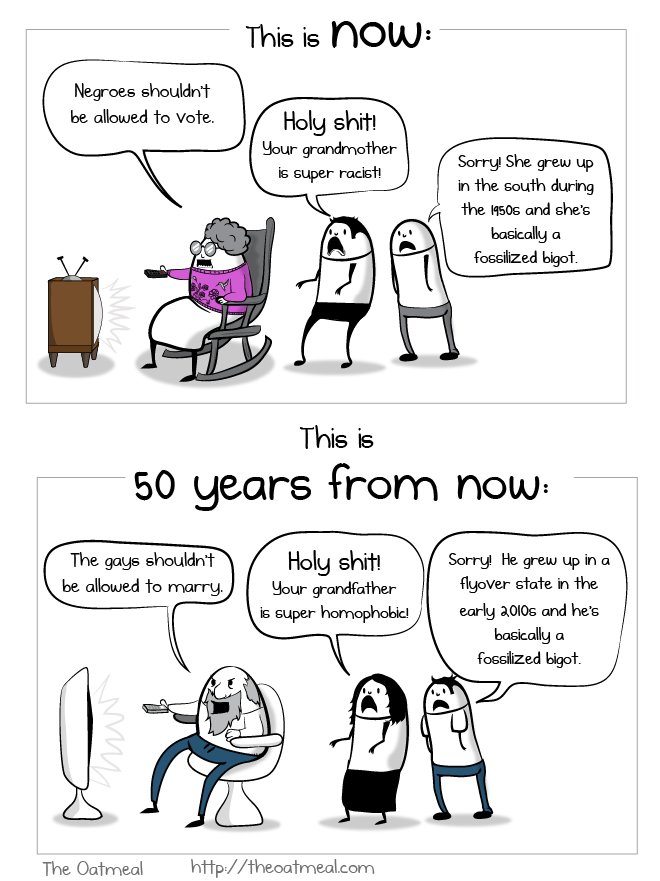
Can Software Make You Less Racist?
I don’t think we computer geeks appreciate how profoundly the rise of the smartphone, and Facebook, has changed the Internet audience. It’s something that really only happened in the last five years, as smartphones and data plans dropped radically in price and became accessible – and addictive – to huge
Ingmar Rentzhog (@ingmar.wsocial.eu)
Criticism and scrutiny are welcome. But why so much hostility? Why assume the worst about our motives? I honestly don’t understand. If we share the goal of better social media, let’s talk about how to get there.

The Reddit Protest Is a Battle for the Soul of the Human Internet
An esoteric battle over API fees and access is highlighting a power struggle between corporate overlords and unpaid moderators. It's worth understanding, and it's worth fighting for.

Traditional Social Media as a Prison - What’s Happening on My Feed?
Social media apps have become a vehicle for community building, world news, and political campaigns. As app owners have enmeshed themselves more with the state, the carceral logics that haunt marginalized communities offline, became a part of their digital realities online.
The Side Effects of an Unfinished Internet
A rambling opinion piece on the internet’s negative side-effects. Why hasn’t it lived up to what we’d expected?
Inside Medium: an attempt to bring civility to the internet
Long-form writing site Medium has become a megaphone for the powerful and powerless alike - the BBC meets its creator.

Art or tool?
The Internet spaces I tend to inhabit have more polarisation than at many other recent times, and little explication of the worldviews that lead to different premises for discussion, that in turn...

The Lonely Work of Moderating Hacker News
Can a human touch make Silicon Valley’s biggest discussion forum a more thoughtful place?
Bluesky civil war shows free speech is harder than it looks
Last week, a joke familiar from X circulated on rival platform Bluesky: “(bluesky user bursts into Waffle House) OH SO YOU HATE PANCAKES??” It was obviously a jab at the moral intensity that now seems to define the site, and indeed much of the rest of the social media landscape. On most platforms such a [...]Read More...
Wired women : gender and new realities in cyberspace
Come in, CQ: the body on the wire / Ellen Ullman -- The memoirs of a token: an aging Berkeley feminist examines Wired / Paulina Borsook -- How hard can it be? / Karen Coyle -- Closure was never a goal in this piece / Judy Malloy and Cathy Marshall -- Estrogen brigades and "big tits" threads: media fandom online and off / Susan Clerc -- Elites, lamers, narcs and whores: exploring the computer underground / Netta "grayarea" Gilboa -- We are geeks, and we are not guys: the systers mailing list / L. Jean Camp -- Not for the faint of heart: contemplations on Usenet / Judy Anderson "yduJ" -- The price of admission: harassment and free speech in the wild, wild West / Stephanie Brail -- Sex, fear and condescension on campus: cybercensorship at Carnegie Mellon / Donna M. Riley -- Cocktails and thumbtacks in the old West: what would Emily Post say? / Laurel A. Sutton -- "So please stop, thank you": girls online / Michele Evard -- MUDder? I hardly know 'er: adventures of a feminist MUDder / Lori Kendall -- Like magic, only real / Tari Lin Fanderclai -- Coming apart at the seams: sex, text and the virtual body / Shannon McRae; Includes bibliographical references; Ellen Ullman shares an email courtship - Paulina Borsook exposes gender attitudes at the digerati's magazine of record - Karen Coyle on overcoming macho stereotypes - Judy Malloy and Cathy Marshall reflect on their art/research collaboration - Susan Clerc and the zeal of media fandom - Netta Gilboa explores hackers' attitudes toward women - Jean Camp on the Internet's safe havens - Judy Anderson's advice on dodging Usenet flames - Stephanie Brail seeks the line between free speech and harassment - Donna Riley reveals the story of the Clitoral Hoods - Laurel Sutton and the nuances of netiquette - Michele Evard takes news-groups to the fifth grade - Lori Kendall wonders if gender is meaningless online - Tari Lin Fanderclai on MUDs as a powerful teaching tool - Shannon McRae takes a look at "virtual sex"

Anatomy of an internet argument
Social media isn't toxic, most people just haven't figured out the game (yet)
The Nightmare of Eternal Spring: Why Social Media Can't Survive on "Niceness" Alone - Nightflight