

The story of the rise and fall of Mendeley
What happened to Science Goodreads and how do we rebuild it? A 65 million dollar question (at least) - CAIROS Blog
The story of the rise and fall of Mendeley
Science has been in a “replication crisis” for a decade. Have we learned anything?
Bad papers are still published. But some other things might be getting better.

Rebuilding the Architecture of Science
Science built the modern world. It’s time to rebuild the world of science.
Decolonising Science Reading List
In the last couple of weeks, a lot of people have been asking me about what I’ve been reading as reference points for my commentary on the…
Guest post: If you’re going to critique science, be scientific about it
Loren K. Mell Editor’s note: This post responds to a Feb. 13 article in The Atlantic, “The Scientific Literature Can’t Save Us Now,” written by Retraction Watch cofounders Adam Marcus and Ivan Oran…
The Current Crisis: What's Happening to Science in America
What stories should we tell about scientific progress now?
In search of the mysterious fruits of basic science
The Bazaar of Scientific Knowledge | shishyko!
Is the current form of the scientific paper still optimal in 2025? How do we preserve, and efficiently leverage, the uncut gems of the scientific process?
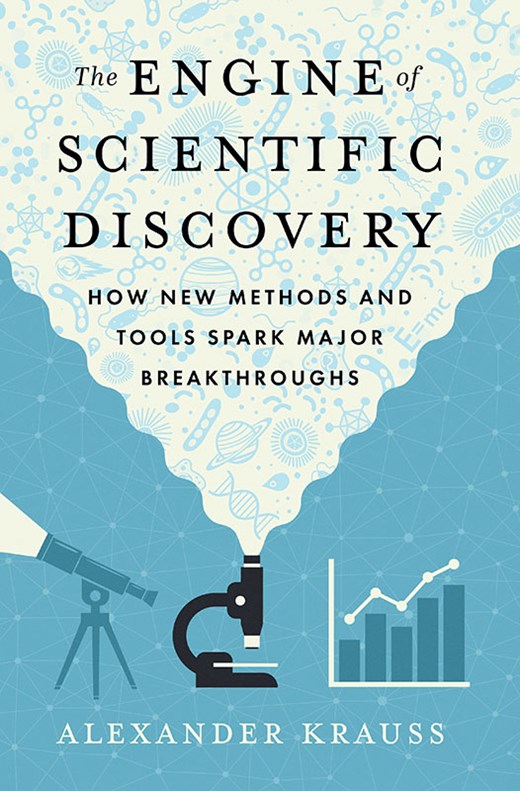
The Engine of Scientific Discovery: How New Methods and Tools Spark Major Breakthroughs
Abstract. How do we spark new scientific discoveries? Why do some breakthroughs seem even accidental? And most importantly, how can we accelerate them and
The new way we’ll do science
Papers should become human-readable views over a graph of data, tools, results, and certificates.
The “Terrible Engine of Destruction” That Inspired Federal Science Funding
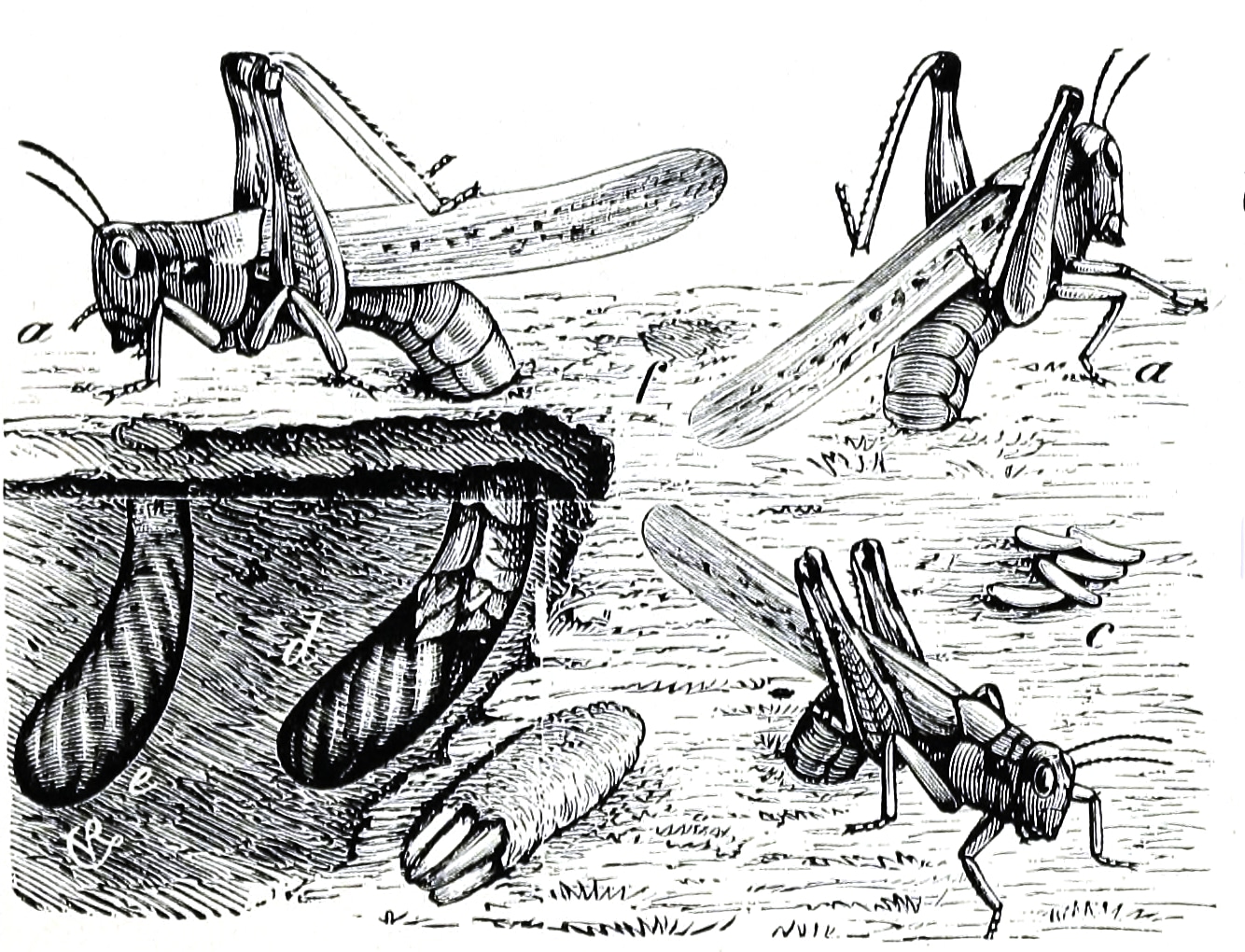
What can we learn about the relationship between science and the American public from the story of plagues of locusts in the 1870s?
Jason Shepherd on Twitter / X
I have quite a lot of thoughts on this..that won't fit in a tweet. Bottomline is that there are issues scientists in the US would love to improve - faster review, less grant writing, more stability and freedom to do risky science. The folks celebrating this doc are mostly../1 https://t.co/xlPAH9XYNC— Jason Shepherd (@JasonSynaptic) July 23, 2026
Director Michael Kratsios on Twitter / X
In response to @POTUS's call for a revival of America's scientific enterprise, today I’m releasing Science: A New Golden Age.This report is a blueprint for renewing American scientific leadership for the 21st century. pic.twitter.com/ikM6pX2ndP— Director Michael Kratsios (@mkratsios47) July 21, 2026

The Bazaar of Scientific Knowledge | shishyko!
What if we didn't collapse all the knowledge from the scientific process into one paper?