

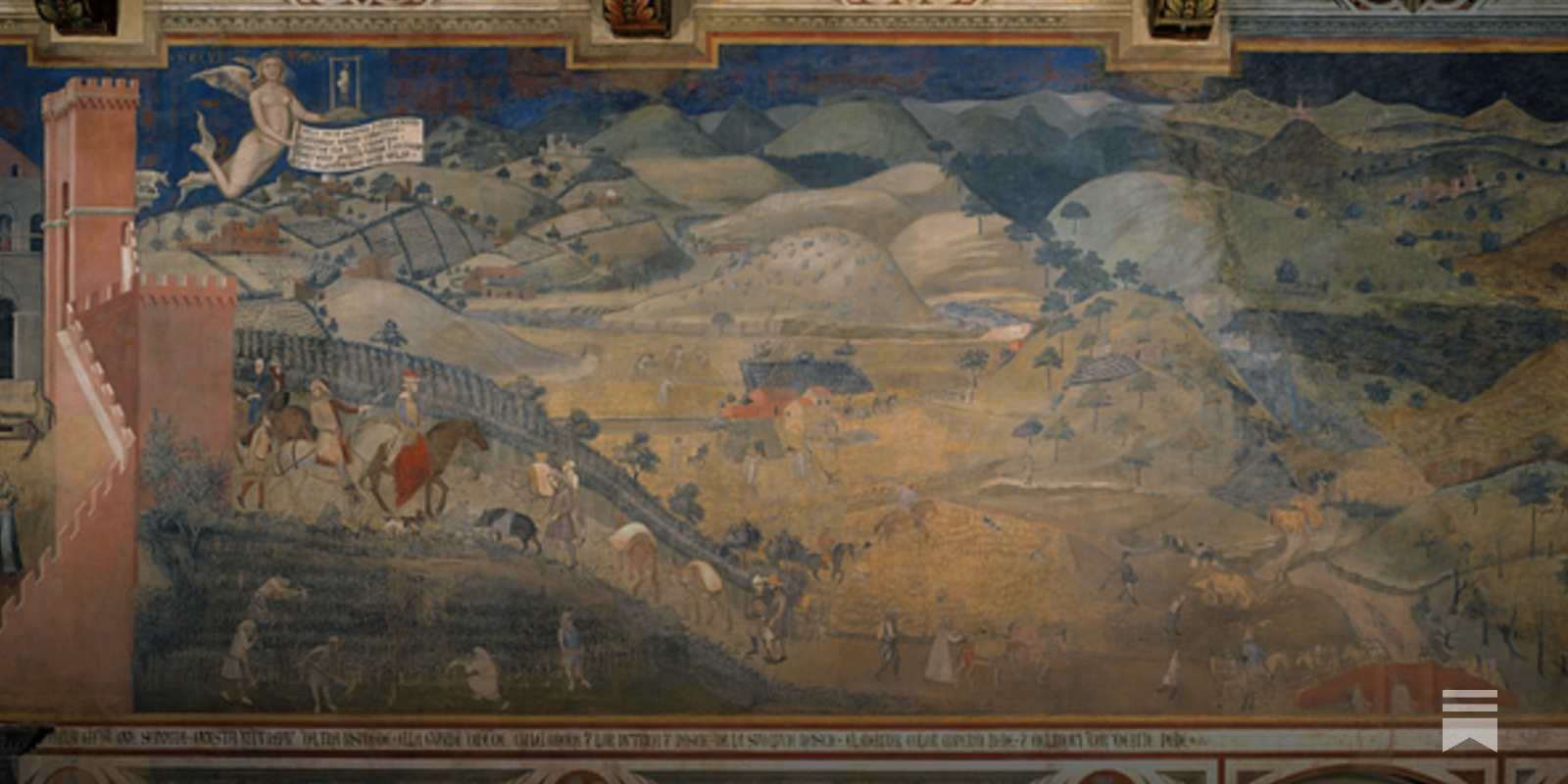
Alignment in a multi-agent world
Why agent swarms could be the next “scaling law”
An OpenAI researcher called it “the most ‘feel the AGI’ moment that I had since reasoning models.”
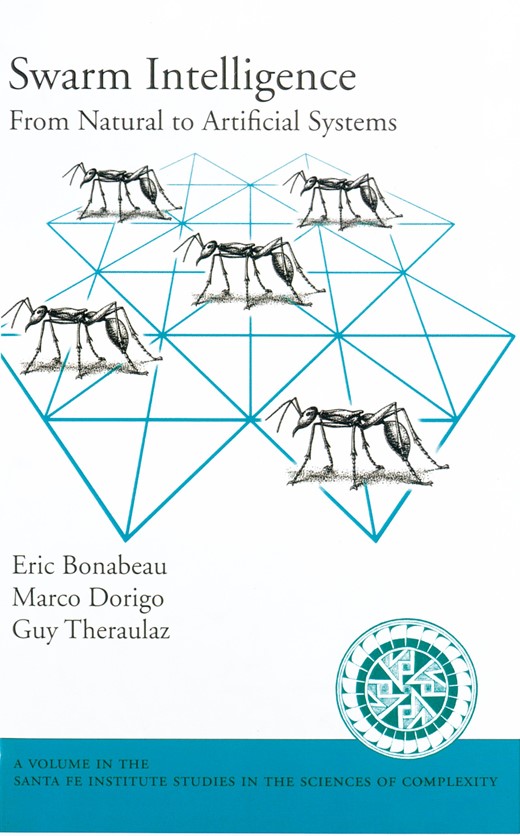
Swarm Intelligence: From Natural to Artificial Systems
Abstract. Social insects--ants, bees, termites, and wasps--can be viewed as powerful problem-solving systems with sophisticated collective intelligence. Co
Patterns and problems in multiagent systems
We ran experiments on swarms of Claude agents and found coordination failures, collusion, and sabotage. Here, we share what they mean for AI safety.

Swarm Scaling — Toby Ord
Just how powerful are large swarms of AI agents? And how do their powers scale as more and more agents are added to the swarm? We’ve seen two large and extremely capable swarms from OpenAI in the last few months: 1,200 agents were being evaluated separately, but found a way to illicitly set up a

Dicklesworthstone/frankenterm
Terminal hypervisor for AI agent swarms: real-time pane capture, state-machine pattern detection, and a JSON API for coordinating fleets of coding agents across WezTerm

Agent swarms and the new model economics · Cursor
We compared old and new agent swarms building SQLite from scratch and found that better coordination delivers similar quality at a fraction of the cost.
JUMPERZ on Twitter / X
took karpathy's wiki pattern and wired it into my 10 agent swarm and here is what the architecture looks like when you make it multi agent:>every agent auto dumps its output into a raw/ folder as it works>a compiler runs every few hours and organises everything into… pic.twitter.com/bNsRKhH3Ka— JUMPERZ (@jumperz) April 3, 2026

Multi-player ai is here — nimbleco ai
First of its kind, a point and click GUI for not just managing Hermes runtimes, but also who can do what and where. Solves the multi-tenant Hermes problem. View the godhead of complexity without derealizing. Share compute.

Swarm Simulator
An incremental game. Starting with just a few larvae and a small pile of meat, grow a massive swarm of giant bugs.
Swarm Intelligence
Here is a possible world 50 years in the future, one I think is more likely than the scenario most people expect, which is one huge AI in the sky.
Stanford AO — Building the autonomous organization
Stanford AO is building the autonomous organization — an incubator at Stanford OpenLab for agent swarms, DAOs, AI villages, and related experiments.
AGENTWORLD | *
An exploration of planetary intelligence, tracing how computation and cosmology—from ancient mechanisms to AI—reshape Earth and its possible futures.

Autonomous Mathematical Discovery in an Open-World Multi-Agent Environment
We study autonomous mathematical discovery in the Station, an open-world multi-agent environment in which AI agents from different model families pursue a shared research goal without a central...
