

HTTP/3 is going to be standardized. As an old protocol guy, I thought I'd write up some comments. Google (pbuh) has both the most popular ...
HTTP: The Protocol Every Web Developer Must Know—Part 1
Learning the fundamentals of the World Wide Web is crucial, especially if you are planning to build web apps. And HTTP is at the heart of any web application you could build. HTTP stands for...

HTTP Semantics
The Hypertext Transfer Protocol (HTTP) is a stateless application-level protocol for distributed, collaborative, hypertext information systems. This document describes the overall architecture of HTTP, establishes common terminology, and defines aspects of the protocol that are shared by all versions. In this definition are core protocol elements, extensibility mechanisms, and the "http" and "https" Uniform Resource Identifier (URI) schemes. This document updates RFC 3864 and obsoletes RFCs 2818, 7231, 7232, 7233, 7235, 7538, 7615, 7694, and portions of 7230.
TLS Everywhere, not https: URIs - Design Issues
A few years after HTTP appeared, around when W3C was founded in 1994, it was clear that an unencrypted and unauthenticated connection was too much of a liability for a lot of serious stuff, such as e-commerce, which everyone wanted to do on the web. (In those days, mass Deep Packet Inspection was not technically feasible, so the ubiquitous snooping which we have to day was not the main driver.) There were, among the ideas, two secure versions of HTTP proposed, one known as S-HTTP and the other, as HTTP-S. To cut a long story short, HTTP-S prevailed.
P3P
The Platform for Privacy Preferences Project (P3P) is an obsolete protocol allowing websites to declare their intended use of information they collect about web browser users. Designed to give users more control of their personal information when browsing, P3P was developed by the World Wide Web Consortium (W3C) and officially recommended on April 16, 2002. Development ceased shortly thereafter and there have been very few implementations of P3P. Internet Explorer and Microsoft Edge Legacy were the only major browsers to support P3P. Microsoft has ended support from Windows 10 onwards. Internet Explorer and Edge [Legacy] on Windows 10 no longer support P3P as of 2016.[3] W3C officially obsoleted P3P on 2018-08-30.[4] The president of TRUSTe has stated that P3P has not been implemented widely due to the difficulty and lack of value.[5]
WWW
Even though HTTP is a simple protocol and the basic HTML is a simple format, the current standards are bloated and only a few web browser engines are able to support them at the commonly required level.
Implement QUIC and HTTP/3 in the browser for WebTransport
Who Shapes Web Standards? Uncovering the Main Topics of Interest in the W3C
A quick look at every link that's been added thus far.
Multiple protocols, dozens of apps, dozens more use cases. So where do you or I start? It's simple I promise. Mayhaps a little overwhelming to see this quick post alongside 50 and counting...

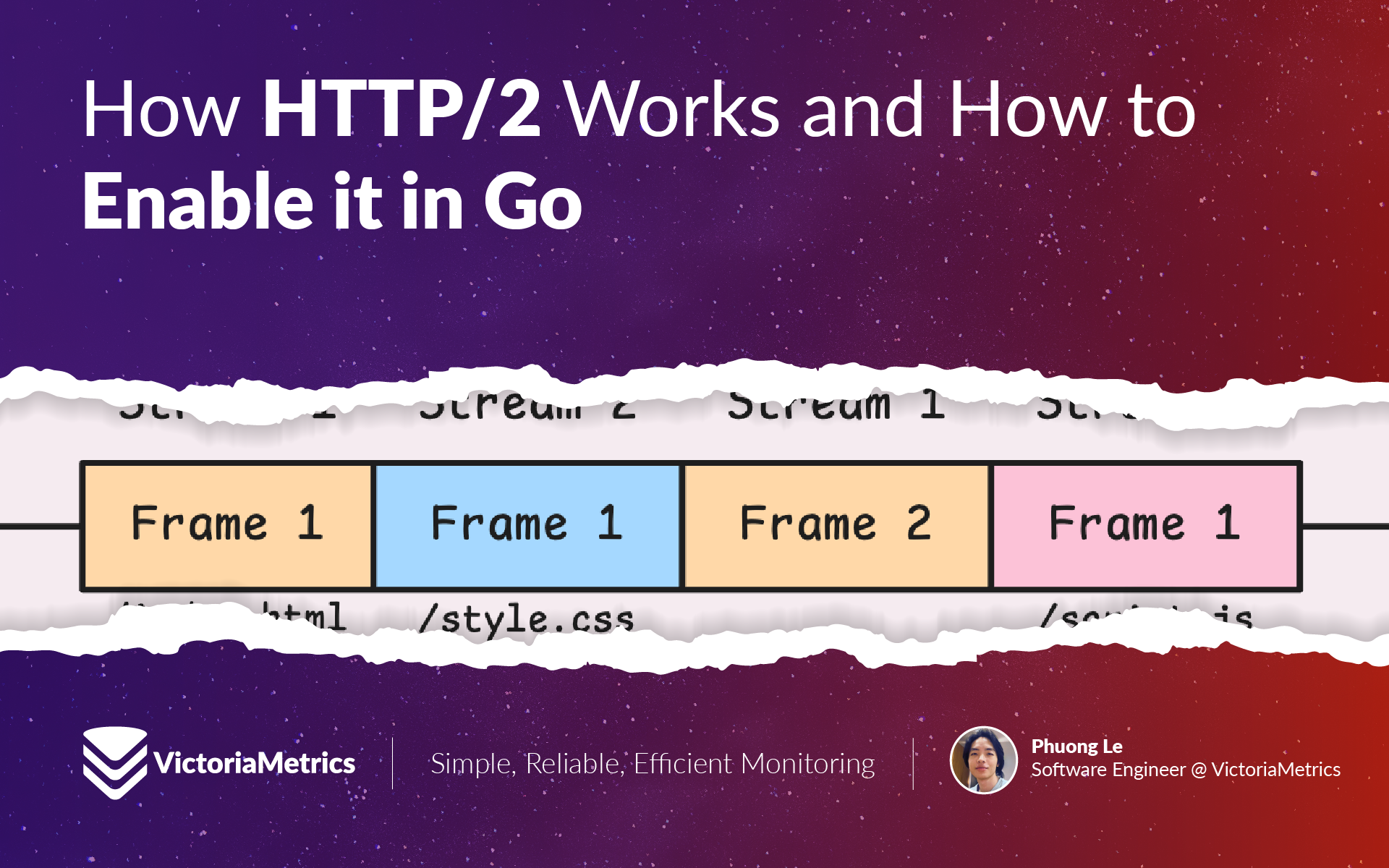
How HTTP/2 Works and How to Enable It in Go
HTTP/2 solves head-of-line blocking at the application layer by multiplexing multiple streams over a single TCP connection. While HTTP/1.1 requires requests to be processed sequentially, HTTP/2 allows parallel processing through independent streams, each with its own ID. The Go standard library supports HTTP/2 out of the box when using HTTPS, and with some configuration, it can work over plain HTTP too
High Performance Browser Networking (O'Reilly)
What every web developer must know about mobile networks, protocols, and APIs provided by browser to deliver the best user experience.


Three.js Roadmap — Learn WebGL/WebGPU Development | Three.js Roadmap
Learn WebGL/WebGPU development with Three.js through structured video courses and ready-to-use assets. Build stunning 3D games, visualizations, and interactive web experiences.

httpie/cli
🥧 HTTPie CLI — modern, user-friendly command-line HTTP client for the API era. JSON support, colors, sessions, downloads, plugins & more.
Important piece of multi-protocol support in browsers! Thanks to much work from Javi, and funding from @ipfs.tech. HEY NOW, settle down - a ways to go: - can only redirect to URLs/paths - no Safari - off by default in Chrome (for now) - only allow-listed schemes unprefixed Step by step...

Javier Fernandez
Blog post about a new Chromium feature I've been working on to allow Web Extensions register protocol handlers just declaring them in the Manifest. blogs.igalia.com/jfernandez/2026/03/24/protoco…
AT Protocol links

Somewhere to store interesting AT Protocol sites and resources.
pub search

The AT Protocol Harkens An Old Web Ethos
at-store | Apps on the Atmosphere
Open Evnt Documentation

Lexicon Garden - ATProtocol Lexicon Browser
Standard.site Validator

