


Joel Spolsky's twelve questions still hold, but agents demand nine more. Call it the Shelley test.
Test-Driven Approaches to Software Engineering with Large Language...
Tests increasingly participate in the decisions made by large language models and software engineering agents. They specify intended behavior, guide program construction and repair, select...

How Antithesis Turned exe into a Sandbox for Agentic Software Tests - exe.dev blog
Carl Sverre spends a lot of time thinking about how to give AI agents the right amount of power. Give them too little, and they can’t do real work. Give them too much, and they might blow up your tech stack. As a software engineer at Antithesis, an autonomous software testing platform, that question is core to how Sverre thinks about designing tools in the era of advanced AI.
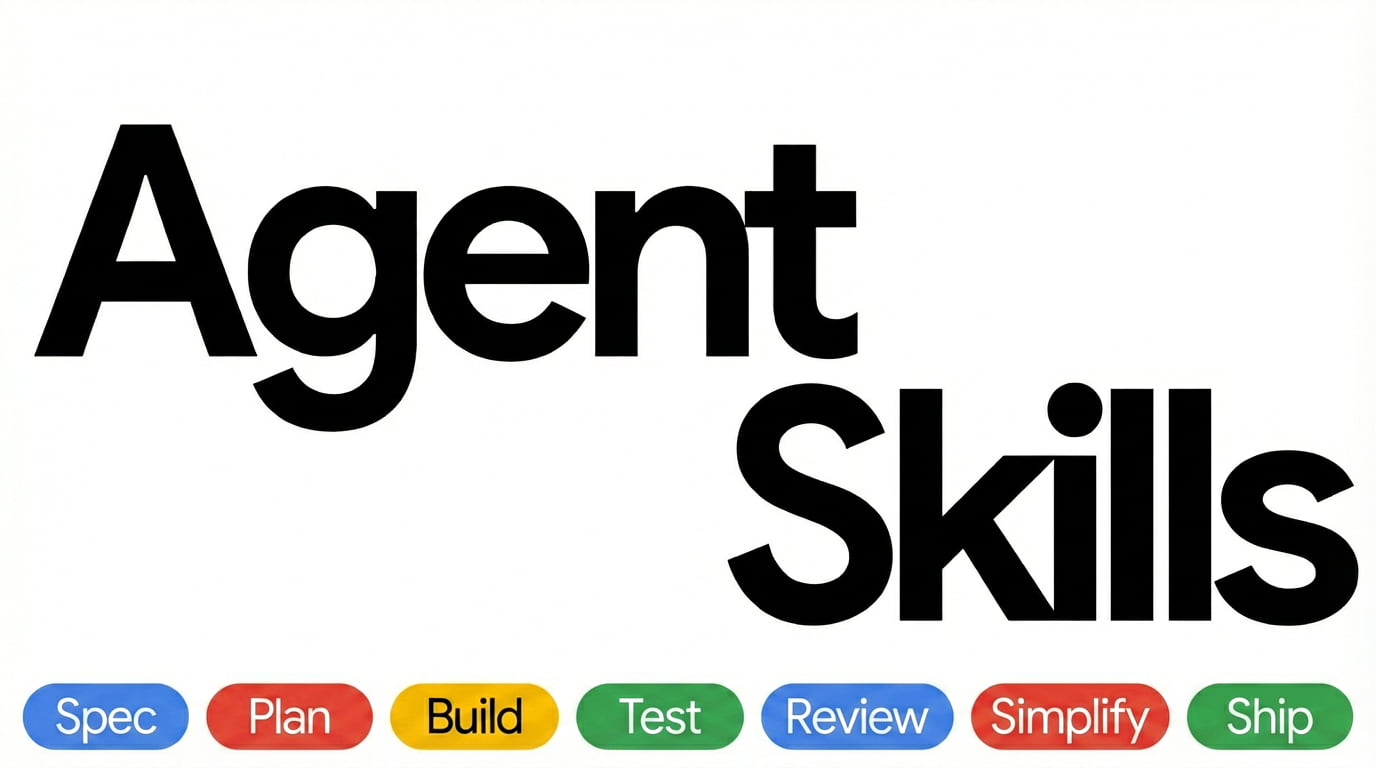
Agent Skills
AI coding agents take the shortest path to done, which usually means skipping the specs, tests, and reviews that make software reliable at scale. Agent Skill...
Testing functional UIs - Hayleigh Thompson | Lambda Days 2025
First impressions: Delta - Cameron's writing
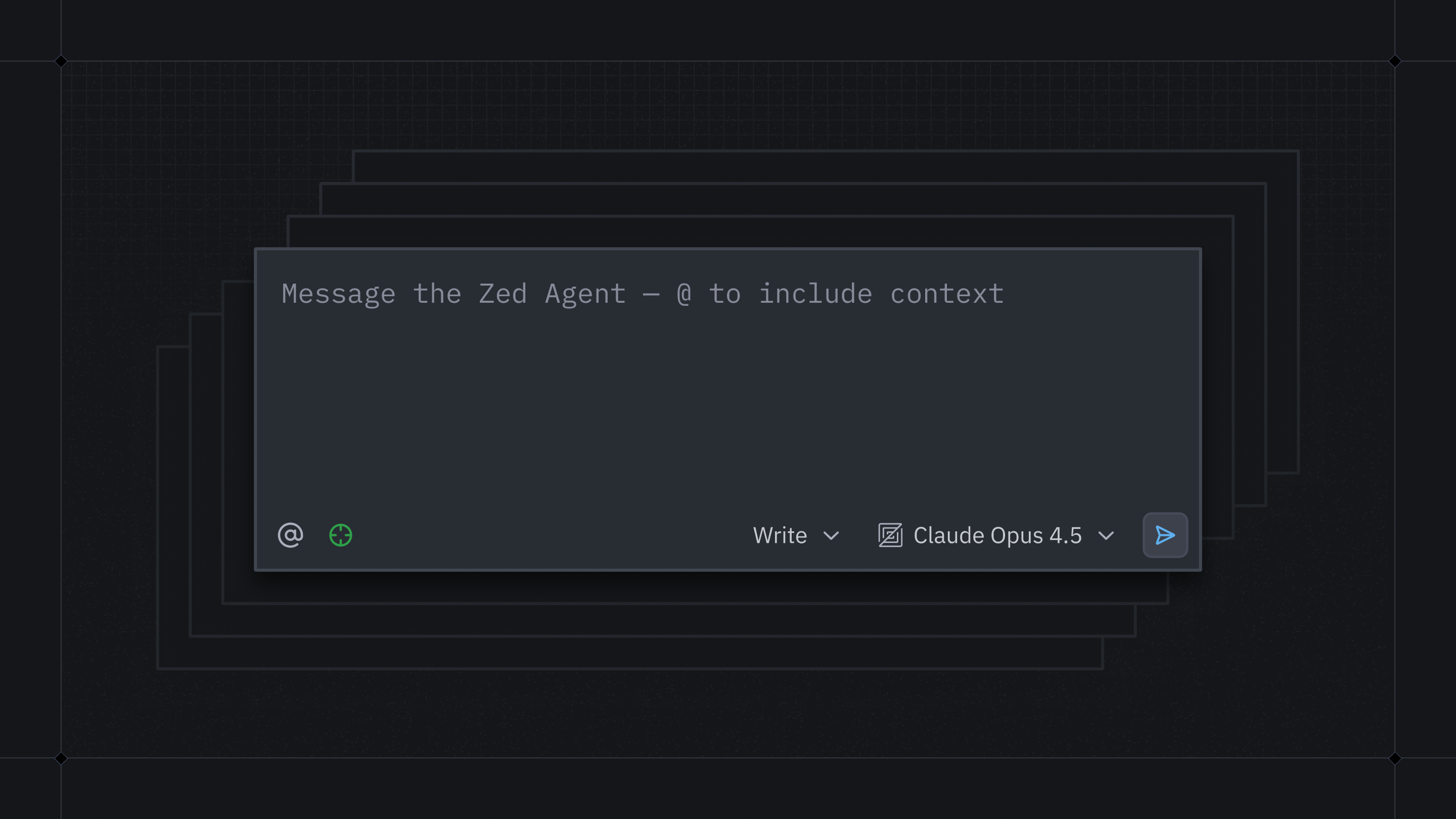
A look at Zed's new agent development tool.
Agents Done Right: A Framework Vision for 2026
Agents choke on context, loop on failures, and dump walls of code for review. It's time to rethink the architecture.
Agentic manual testing - Agentic Engineering Patterns
Agentic manual testing - Agentic Engineering Patterns
Enosis Solutions - Software Development and Testing Services
We design, build, test, modernize, and scale software across the entire product lifecycle, combining deep technical expertise with an AI-accelerated build process.

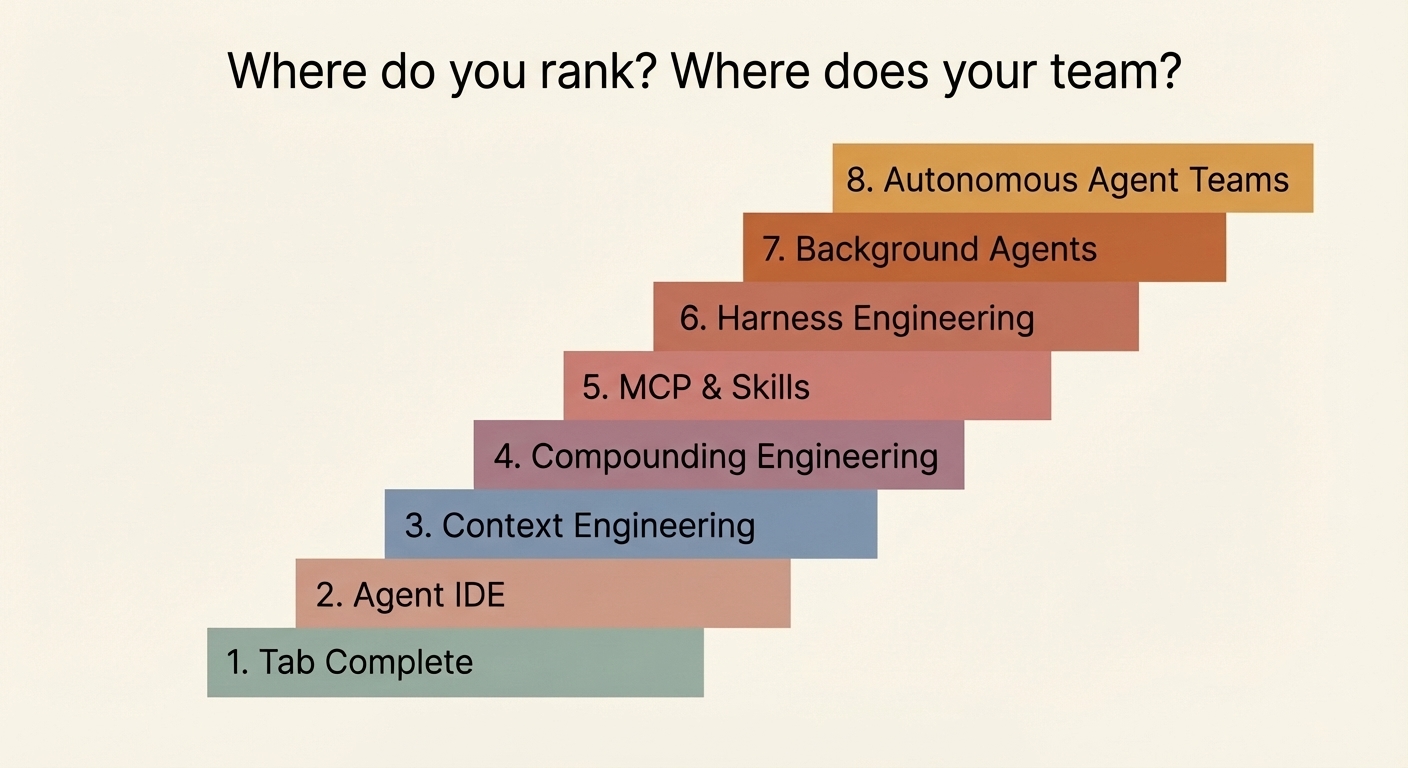
The 8 Levels of Agentic Engineering — Bassim Eledath
AI's coding ability is outpacing our ability to wield it effectively. That gap closes in levels — 8 of them. Here's the progression from tab complete to autonomous agent teams.
On Programming with Agents
From the Zed Blog: Agents handle typing so we can focus on thinking.
SWE-Bench Pro: Can AI Agents Solve Long-Horizon Software Engineering Tasks?
Large Language Model (LLM) agents have been widely adopted in modern software development workflows. SWE-bench [13] and related works [23, 24, 22, 25, 15] establish the task of issue resolution as a de-facto standard for assessing their capability and usefulness. In this setting, an agent is given an entire codebase, a task description (e.g., a bug report or feature request) in natural language and is instructed to produce a code patch that resolves the issue and passes the repository’s test suite. These benchmarks have been instrumental in demonstrating both the substantial potential and the persistent limitations of current models as SWE agents.
108 PRs in eight days: Accidentally discovering loop engineering
Software Engineer at Bluesky specializing in developer productivity, AI-assisted development, and accessibility. Creator of The Balanced Engineer newsletter and co-host of the Overcommitted podcast.

Mastering Playwright in 2026: A Hands-On Guide to Modern Browser Automation
Still debugging flaky automation tests late at night?

Building and evaluating AI Agents — Sayash Kapoor, AI Snake Oil
Peter Steinberger 🦞 on Twitter / X
Here’s your monthly reminder that you shouldn’t be prompting coding agents anymore.You should be designing loops that prompt your agents.— Peter Steinberger 🦞 (@steipete) June 7, 2026