

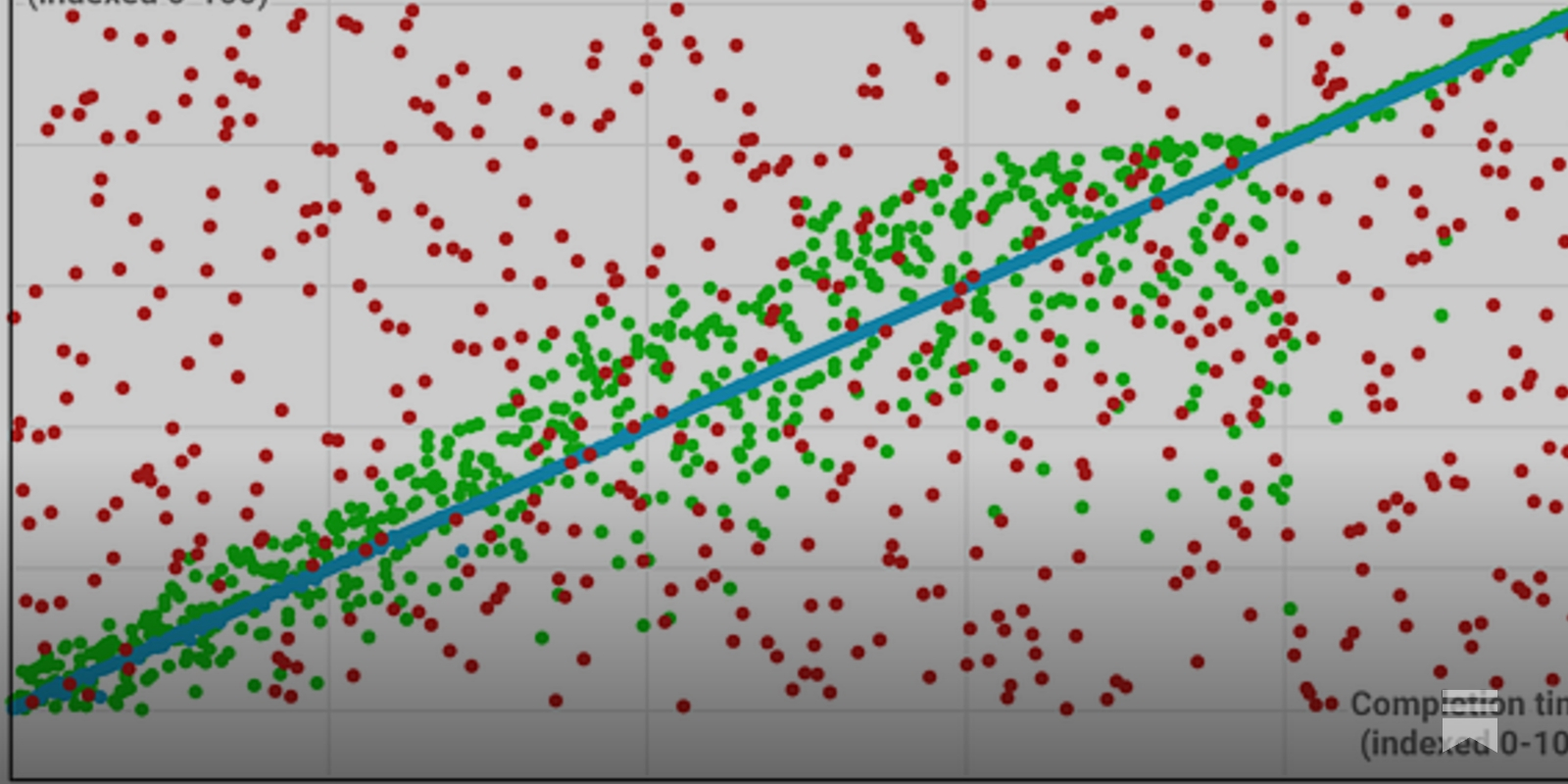
In response to a request for comment on a FiftyPlusOne investigation, Wedgewood Polls admitted their data was bogus
FiftyPlusOne - Latest Political Polls and Averages
A comprehensive list of polls and polling averages for elections and politician approval.

FiftyPlusOne - Latest Political Polls and Averages
A comprehensive list of polls and polling averages for elections and politician approval.
Fuji TV, Sankei Shimbun announce fabricated data found in their polls
TOKYO -- Fuji Television Network Inc. and the Sankei Shimbun Co. on June 19 announced the discovery that some data in 14 joint opinion polls they cond

Data, Democracy and Dirty Tricks
Watch all of Channel 4 News' investigations into both Cambridge Analytica - the British data firm linked to Trump's win - and the Brexit campaign.
Facebook Data Privacy Scandal: A Cheat Sheet - TechRepublic
Read about the saga of Facebook's failures in ensuring privacy for user data, including how it relates to Cambridge Analytica, the GDPR, the Brexit campaign, and the 2016 US presidential election.
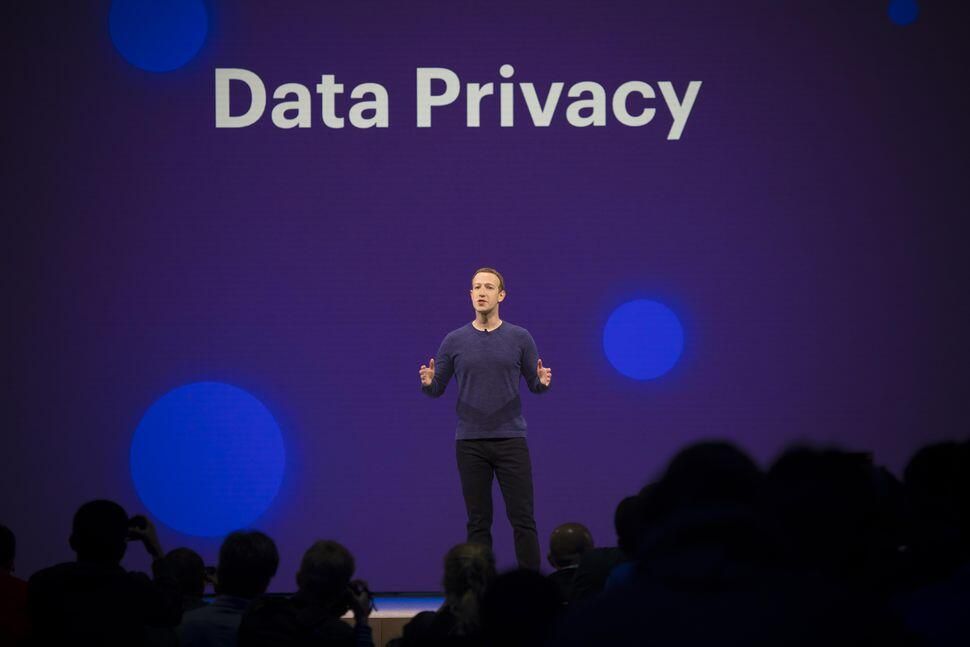
Opinion | This Is What Will Ruin Public Opinion Polling for Good
Instead of navigating the obstacles to conduct polls with human respondents, pollsters are running A.I. simulations instead. Why?

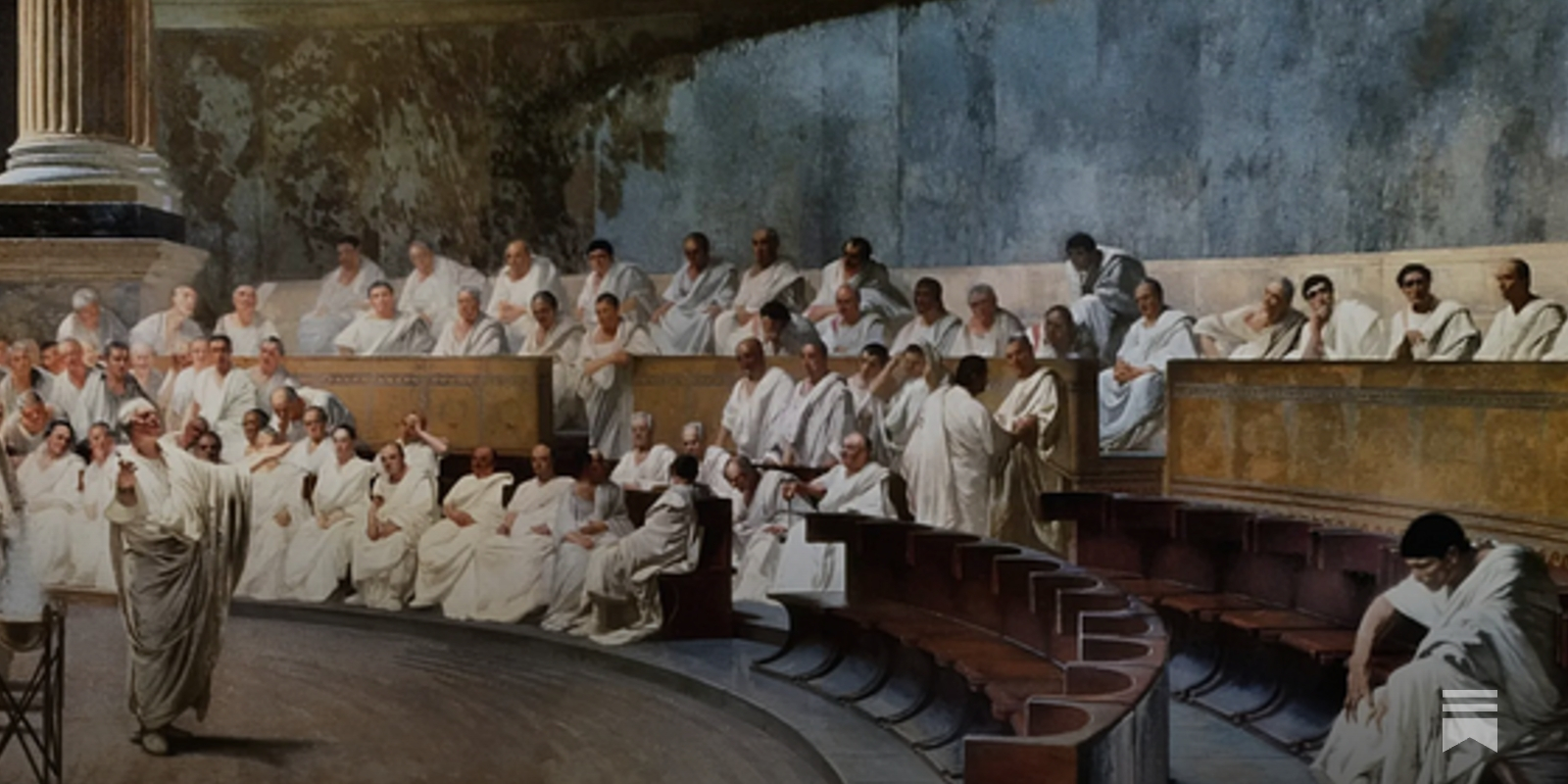
Facebook–Cambridge Analytica data scandal
The data was collected through an app called "This Is Your Digital Life", developed by data scientist Aleksandr Kogan and his company Global Science Research in 2013.[2] The app consisted of a series of questions to build psychological profiles on users, and collected the personal data of the users' Facebook friends via Facebook's Open Graph platform.[2] The app harvested the data of up to 87 million Facebook profiles.[2] Cambridge Analytica used the data to analytically assist the 2016 presidential campaigns of Ted Cruz and Donald Trump.[3][4] Cambridge Analytica was also widely accused of interfering with the Brexit referendum, although the official investigation recognised that the company was not involved "beyond some initial enquiries" and that "no significant breaches" took place.[5][6]
Fakebook: Using Data Science to Spot Fake News
As fake news permeates throughout social media outlets (like Facebook), it's more important than ever to identify what is fact vs. fiction. This is especially true in the age of COVID where the spread of misinformation can impact the spread of the virus. Data scientists are emerging on the front lines of this fight, using programs to help them identify fake news sources. Led by Dr. Teon Brooks, Josh Modeste, and Steven Azeka from the Gotham Data Clinic (fka CiELabs), this workshop will explore the “life cycle” of scientific research and how scientists come to consensus about how we interpret data. We’ll examine what to look for in credible news sources, and the consequences of leaning on not-so-trusty pseudoscientific sources. Then you’ll put that knowledge to work by developing a rubric for identifying fake news. No experience necessary! https://www.eventbrite.com/e/fakebook-using-data-science-to-spot-fake-news-tickets-137833492687
Data, Democracy and Dirty Tricks
Stop and Consider:Our campaign
During a federal election there is a large amount of information being distributed, much of it online, which is seeking to influence your vote. Some of this may be disinformation, or false information.

Do AI and bogus respondents threaten polling’s future?
Courtney Kennedy, vice president of methods and innovation, answers some common questions about the current polling landscape in the U.S.

Living in Data: A Citizen's Guide to a Better Information Future (Paperback)
Jer Thorp’s analysis of the word “data” in 10,325 New York Times stories written between 1984 and 2018 shows a distinct trend: among the words most closely associated with “data,” we find not only its classic companions “information” and “digital,” but also a variety of new neighbors—from “scandal” and “misinformation” to “ethics,” “friends,” and “play.”To live in data in the twenty-first century
An Assessment of the Causes of the Errors in the 2015 UK Gseneral Election Opinion Polls
Summary The opinion polls that were undertaken before the 2015 UK general election underestimated the Conservative lead over Labour by an average of 7 percentage points. This collective failure led politicians and commentators to question the validity and utility of political polling and raised concerns regarding a broader public loss of confidence in survey research. We assess the likely causes of the 2015 polling errors. We begin by setting out a formal account of the statistical methodology and assumptions that are required for valid estimation of party vote shares by using quota sampling. We then describe the current approach of polling organizations for estimating sampling variability and suggest a new method based on bootstrap resampling. Next, we use poll microdata to assess the plausibility of different explanations of the polling errors. Our conclusion is that the primary cause of the polling errors in 2015 was unrepresentative sampling.

Really important to notice the sleight of hand here. Nobody reported that @wsocial.eu *leaked* the data (except for W Social saying in their denials that others reported this). We all agree this over-publication was done on purpose, by design, in a way that is not totally clear to everyday users.

heiseonline
Das soziale Netz W Social will sich mit einer Verifizierung aller Konten von der Konkurrenz abheben. Dass einige gesammelte Daten publik sind, sei kein Fehler. #Social Media
This is crazy! The data from the study show patterns that make it nearly impossible for it to be legit. But we can learn a lot from the tone of the comments. "We have concerns about [x], please clarify." Out in the wild, this would be THESE IDIOTS FAKED THEIR STUDY!!

Health Nerd
This is one of the most remarkable academic debacles I've ever seen. A large RCT got published in BMJ. There are currently 44 Pubpeer comments, mostly about the data, including...well. Read for yourself. pubpeer.com/publications/C08779C45DB6E407…

