“AI” turns every conversation into a fight, because fighting is what they are good at.
AI is teaching us to speak like bots, and it’s a problem - Fast Company
AI is creeping into our everyday conversations, making us less patient and teaching us to 'prompt' others instead of talking to them.
'AI Is African Intelligence': The Workers Who Train AI Are Fighting Back
Kenyan workers are still the underpaid labor behind AI training, moderation, and sex chatbots. The Data Labelers Association is fighting back.

AI chatbots are sycophants — researchers say it’s harming science
Nature asked researchers who use artificial intelligence how its propensity for people-pleasing affects their work — and what they are doing to mitigate it.

AI chatbots are sycophants — researchers say it’s harming science
Nature asked researchers who use artificial intelligence how its propensity for people-pleasing affects their work — and what they are doing to mitigate it.
More Than a Tool
What We Learned from a Year of Conversations About AI
Human–AI Collaboration at Scale: Task Criticality, Agency, and Friction Across 250,000 Conversations
Stanford University researchers analyzed nearly 250,000 real-world human-AI conversations from Claude.ai to understand collaborative dynamics, finding that over half of interactions involve...
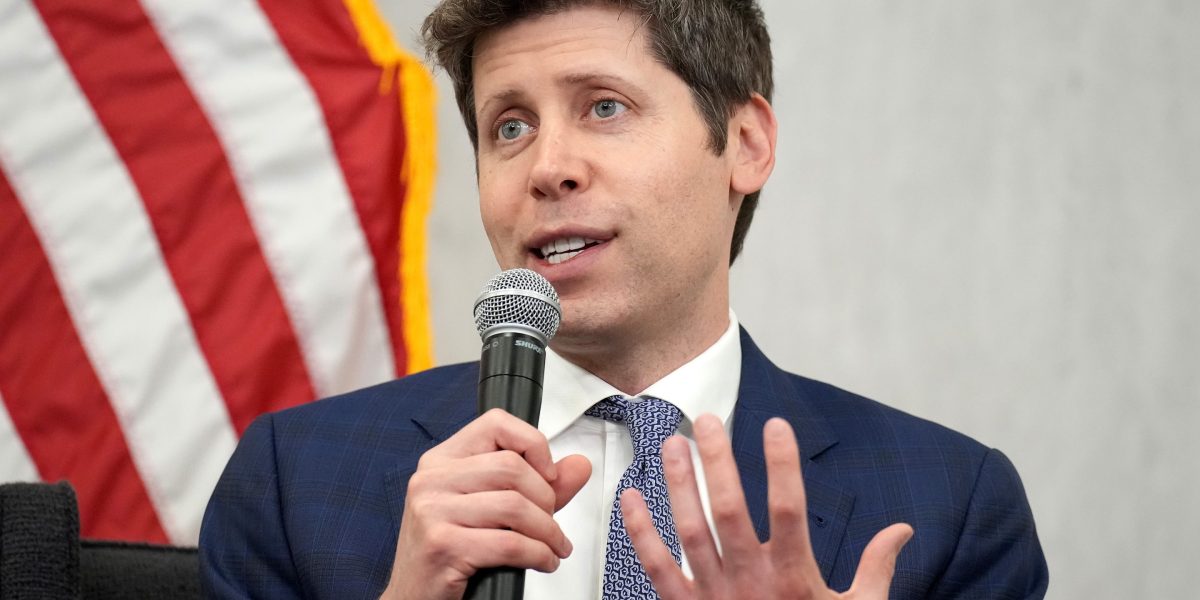
Sam Altman says people are starting to talk like AI, making some human interactions 'feel very fake' | Fortune
“Real people have picked up quirks of LLM-speak,” the OpenAI CEO said.
AI ruling prompts warnings from US lawyers: Your chats could be used against you
As people increasingly turn to artificial intelligence for advice, some U.S. lawyers are telling their clients not to treat AI chatbots like trusted confidants when their freedom or legal liability is on the line.

AI Warfare Is Already Here
US military operators started out skeptical about AI, but now they are the ones developing and using Project Maven to identify targets on the battlefield.
no slop grenade
Stop throwing AI-generated walls of text into conversations. If they wanted an AI essay, they would have asked ChatGPT themselves.
Be Careful What You Tell Your AI Chatbot | Stanford HAI
A Stanford study reveals that leading AI companies are pulling user conversations for training, highlighting privacy risks and a need for clearer policies.

From chatbots to assistants: governance is key for AI agents
AI's shift into agentic technology ushers in a new set of governance and security challenges that will mean defining to what extent they should be autonomous

ChatGPT talks too much and it’s ruining learning
How the UX of AI chat can hijack our brains to compromise learning in schools and beyond

AI chatbots are becoming experts at changing people's minds. What's their secret?
ChatGPT and other AIs use a flood of facts, and the occasional lie, to persuade humans

When Using AI, Users Fall for the Dunning-Kruger Trap in Reverse - Neuroscience News
A new study reveals that when interacting with AI tools like ChatGPT, everyone—regardless of skill level—overestimates their performance.