

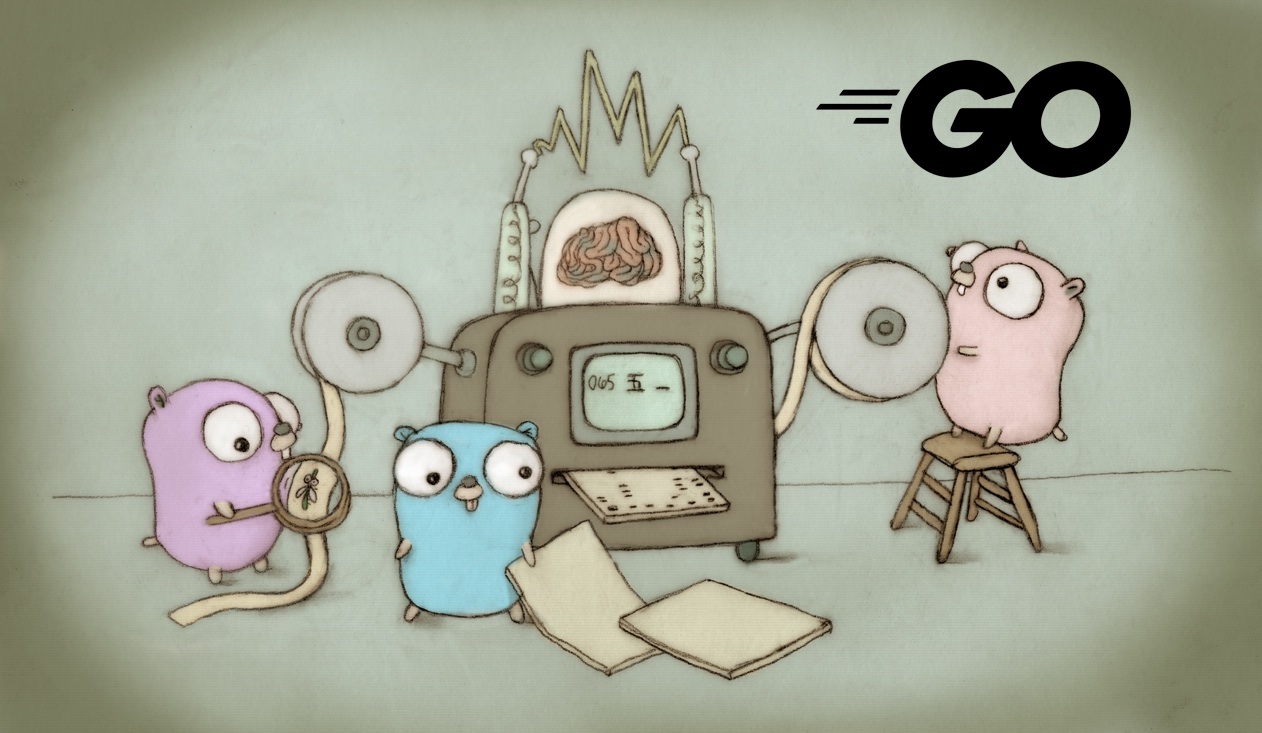
Go 1.7 adds faster x86 compiled code, context in the standard library, and more.
The Go Programming Language
Go is an open source programming language that makes it simple to build secure, scalable systems.
The Go programming language
Go may be our generation's most important new programming language. It is exceptionally expressive, highly efficient in both compilation and execution, and enables the development of extremely reliable and robust programs. It shares the same spirit programmers once found in C: it helps serious professional programmers achieve maximum effect with minimum means. Now, Go shares something else with C, too. Brian Kernighan, who wrote the world's most respected and useful C primer for working programmers, has just done the same for Go. Together with Google Go insider Alan Donovan, Kernighan explains what Go does and doesn't borrow from C ... the great ideas it borrows from other modern languages ... and how it avoids features that lead to unnecessary complexity and unreliable code. Throughout, their short, carefully-crafted code examples demonstrate today's most effective Go idioms, so you can start using Go effectively right from the beginning, and quickly take advantage of its full power. All code has been extensively reviewed by Go's creators at Google for both completeness and accuracy
Go 1.27 interactive tour
An interactive tour of what’s new in Go 1.27: every notable language, runtime, and standard library change, with short runnable examples you can edit and run in the browser.
Go Web Programming
Build scalable, high-performance web apps in Go with modern design principles.

Learn Go by Building a Command Line Todo App | Barbarian Meets Coding
Learn the Go programming language by building a test-driven command line todo application

GopherCon 2017: A Go Programmer's Guide to Syscalls - Liz Rice
New iterators in Go 1.23
The Go language now supports standardized iterators. An iterator is an object that progressively provides access to each item of a…

Go in Action
This book provides an intensive, comprehensive, and idiomatic view of Go. It introduces the Go language, guiding you from inquisitive developer to Go guru.

proposal: cmd/cgo: cgo without a C toolchain · Issue #81450 · golang/go
Cgo Without C Toolchain Background Cgo provides a mechanism to incorporate C code into Go programs. Currently, it requires a C toolchain to be present on the host system whenever building code with...
Go runtime environment | App Engine standard environment | Google Cloud Documentation
The Go runtime is the software stack responsible for installing your web service's code and its dependencies and running your service.

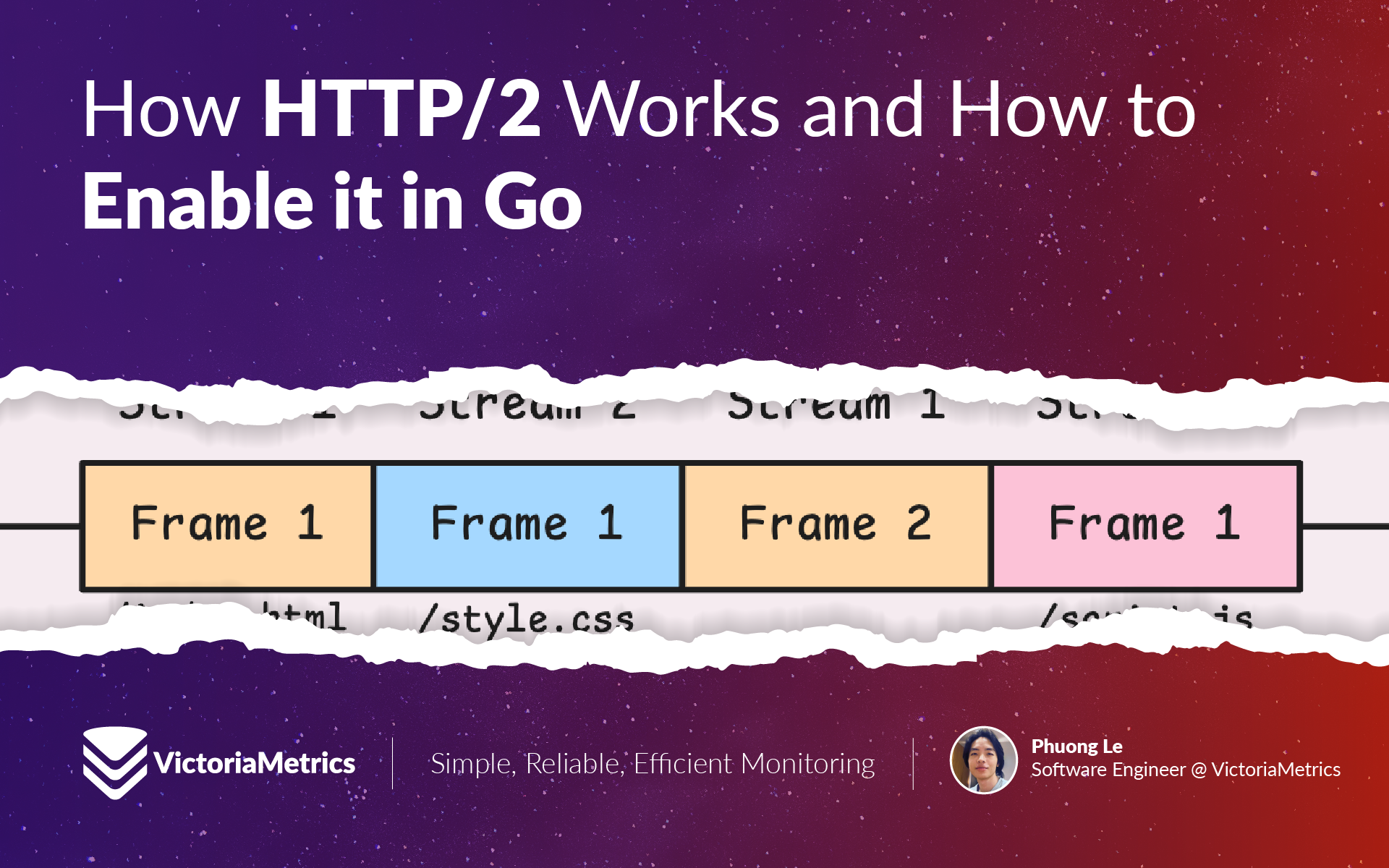
How HTTP/2 Works and How to Enable It in Go
HTTP/2 solves head-of-line blocking at the application layer by multiplexing multiple streams over a single TCP connection. While HTTP/1.1 requires requests to be processed sequentially, HTTP/2 allows parallel processing through independent streams, each with its own ID. The Go standard library supports HTTP/2 out of the box when using HTTPS, and with some configuration, it can work over plain HTTP too
Don't couple your Go code to GitHub | Iain Cambridge
The technical musings of Iain Cambridge.
Just Fucking Use Go - Blain Smith
Hey, dipshit. You know what compiles in two seconds, deploys as a single binary, and doesn't shit itself when a transitive dependency gets yanked from npm at 3am? Go. The same way HTML has been sitting there since the dawn of the goddamn internet waiting for you to stop overcomplicating the frontend, Go has been sitting there for over a decade waiting for you to stop overcomplicating the backend.
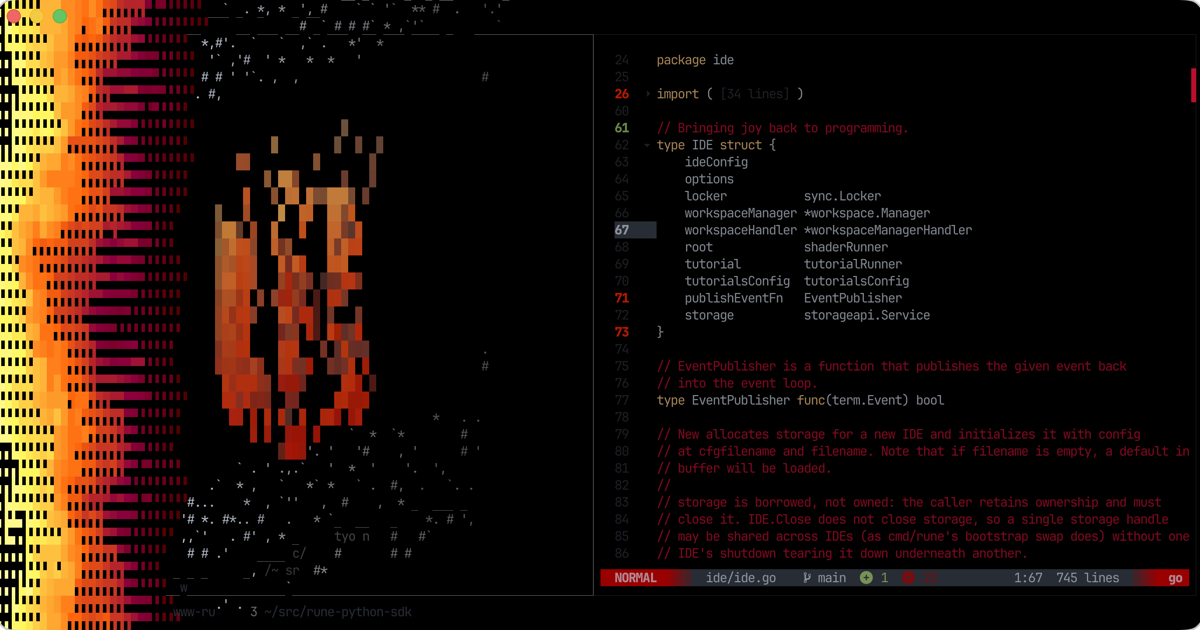
Rune is now open source. Rune Blog
Rune is now open source under the GPLv3. A native, keyboard-driven IDE written primarily in Go is ready for Go developers to inspect, change, and help build.
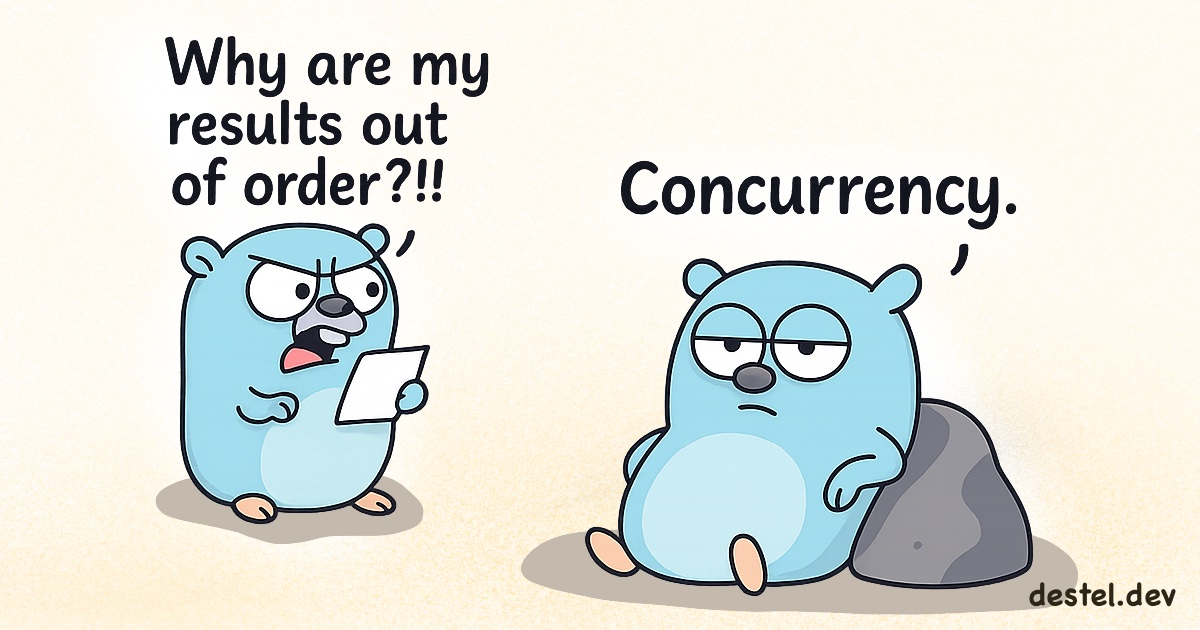
Preserving Order in Concurrent Go Apps: Three Approaches Compared
Concurrency breaks ordering by design, but sometimes we need both. Explore three methods to preserve order in concurrent Go applications, from standard ReplyTo channels to sophisticated permission passing, with benchmarks and real-world trade-offs.
Hey we shipped a new Go code generator for lexicon types. Been in production for a couple weeks now 🥳 Based off of @bnewbold.net's cobalt work and @hypha.coop's go-dasl for DRISL serialization. Copies indigo's echo server stub generation verbatim. 100% compatible with @atproto/lex lockfiles.

GitHub - streamplace/glex: Go code generation for atproto. glex: enter the repo
github.com