

We have seen a large shift in the app economy over the past 7 years which has had a huge impact on indie software. In many ways, we have regressed to state which is simply unsustainable in the long term. If you only look at the highly publicised successes, you might assume independent developers are rolling in cash. Do not be fooled, the situation on the ground, especially on iOS, is actually very different – many indies are struggling to make a living.
Evolving App Store Business Models - David Smith, Independent iOS Developer
I’ve been thinking this past week (as I often do) about the ever-changing landscape of the App Store. This year has seen some of the biggest changes in policy and structure that I can remember. We have new subscription pricing models, search ads, a substantial purge of older apps, new requirements for app names and a variety of little changes to the App Store app itself in iOS 10.
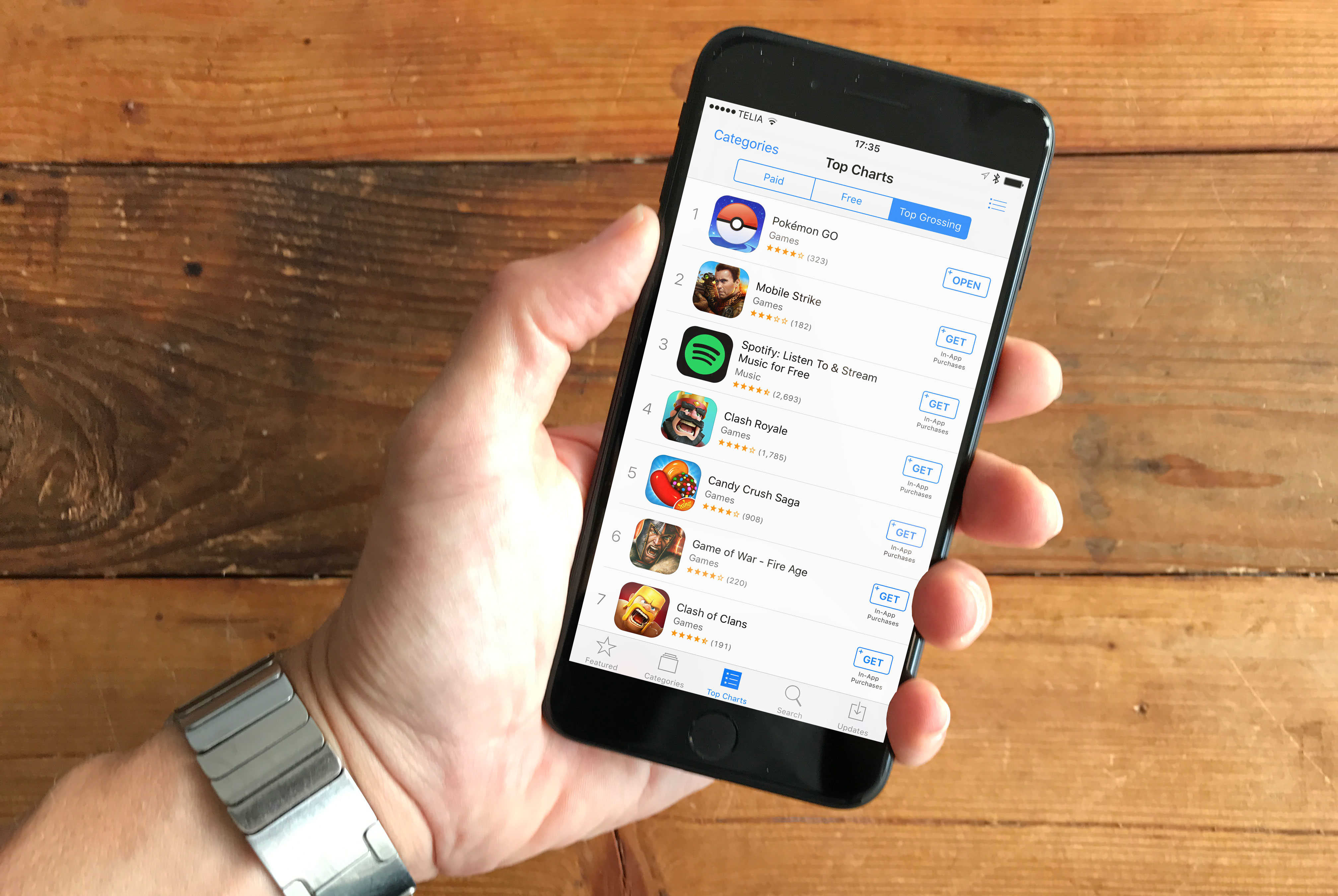
Why freemium apps suck for everyone (and how Apple is killing paid apps)
I work on an iPhone app called Reps & Sets as a hobby project in my spare time. This week, my partner and I came to the conclusion that there is no
The Money In Open-Source Software | TechCrunch
It’s no secret that open-source technology -- once the province of radicals, hippies and granola eaters -- has gone mainstream. According to industry estimates, more than 180 young companies that give away their software raised roughly $3.2 billion in financing from 2011 to 2014. Despite the growing popularity of open-source software, though, many open-source companies are not financially healthy.

It’s actually open source software that's eating the world
At Lightspeed we’ve been investing aggressively in open source software (OSS) businesses for the past 10 years. Recently, we’ve seen a significant increase in entrepreneurs pitching open source startups, and we’ve also seen greater competition for these deals. We pulled together some numbers in an attempt to measure the acceleration in interest in and funding for OSS businesses in the last few years. The results were staggering even to us.
Why Native Apps Really are Doomed: Native Apps are Doomed pt 2
I recently wrote an article called “Native Apps are Doomed.” I was surprised at how many people were defending native apps. In all honesty…


The optimistic view that indie games are in a golden age right now – How To Market A Game
It has been a rough couple of years in the games industry with layoffs and studio closures. However, from the perspective of a single-I or small team, we are in the middle of a golden age and most developers don’t realize it.
Tim Sweeney on Twitter / X
Finally, American developers will be free to compete with Apple’s App Store and payment systems here at home!A solid move to free the United States from the crony capitalist intentions of Big Tech and Big Law. https://t.co/7NXHiQxhEf— Tim Sweeney (@TimSweeneyEpic) April 1, 2025
The emerging economic paradigm of Open Source
The following commentary is part of First Monday's Special Issue #2: Open Source. Open Source developers have, perhaps without conscious intent, created a new and surprisingly successful economic paradigm for the production of software. Examining that paradigm can answer a number of important questions. It's not immediately obvious how Open Source [1] works economically. Probably the worst consequence of this lack of understanding is that many people don't understand how Open Source could be economically sustainable, and some may even feel that its potential negative effect upon the proprietary software industry is an overall economic detriment. Fortunately, if you look more deeply into the economic function of software in general, it's easy to establish that Open Source is both sustainable and of tremendous benefit to the overall economy. Open Source can be explained entirely within the context of conventional open-market economics. Indeed, it turns out that it has much stronger ties to the phenomenon of capitalism than you may have appreciated.
There's Life Beyond the App Store
With the imminent release of Foundation for Apps, we've been chatting a lot about apps and how they're built. We've discussed the topic internally with our team, externally with our clients and with tons of our amazing ZURB friends. Much of that discussion revolved around not just how to produce apps, but what an app really is, how they differ from websites and even the future of where they'll go.

iOS doesn’t support Progressive Web Apps, so what?
One common argument for why organizations aren’t investing in Progressive Web Apps is that iOS doesn’t support them. Hogwash. Here’s why organizations should invest in Progressive Web Apps regardless. Source: Pixabay Progressive Web Apps still work on iOS Just because iOS doesn’t support every aspect of Progressive Web Apps…

Roadmap: Open Source
After years of investing in open source software, we’re releasing our thinking on what positions these companies as emerging technology giants.
Sustaining Open Source Software
The ‘open source sustainability’ debate continues with yet-another-company relicensing their product away from an open source license to…

Alex Moore on Open Web Advocacy and Why "Innovation Doesn't Come from the Gatekeepers"
Post-appitalism rejects the super-app as a meaningful alternative to todays app-based production of software. An app that becomes so big that it starts sucking in smaller apps perpetuates the same dynamics no matter how well integrated the smaller apps can be.

𝕮
post-appitalism post-appitalism.app