Tools and techniques to prevent design system collapse
Design System | TanStack
The TanStack Design System — living design tokens and components.

Designing for failure
Nobody starts a free-software project hoping that it will fail, so it is a rare project indeed [...]
Designing Systems | Atomic Design by Brad Frost
Learn how to create and maintain digital design systems, allowing your team to roll out higher quality, more consistent UIs faster than ever before.
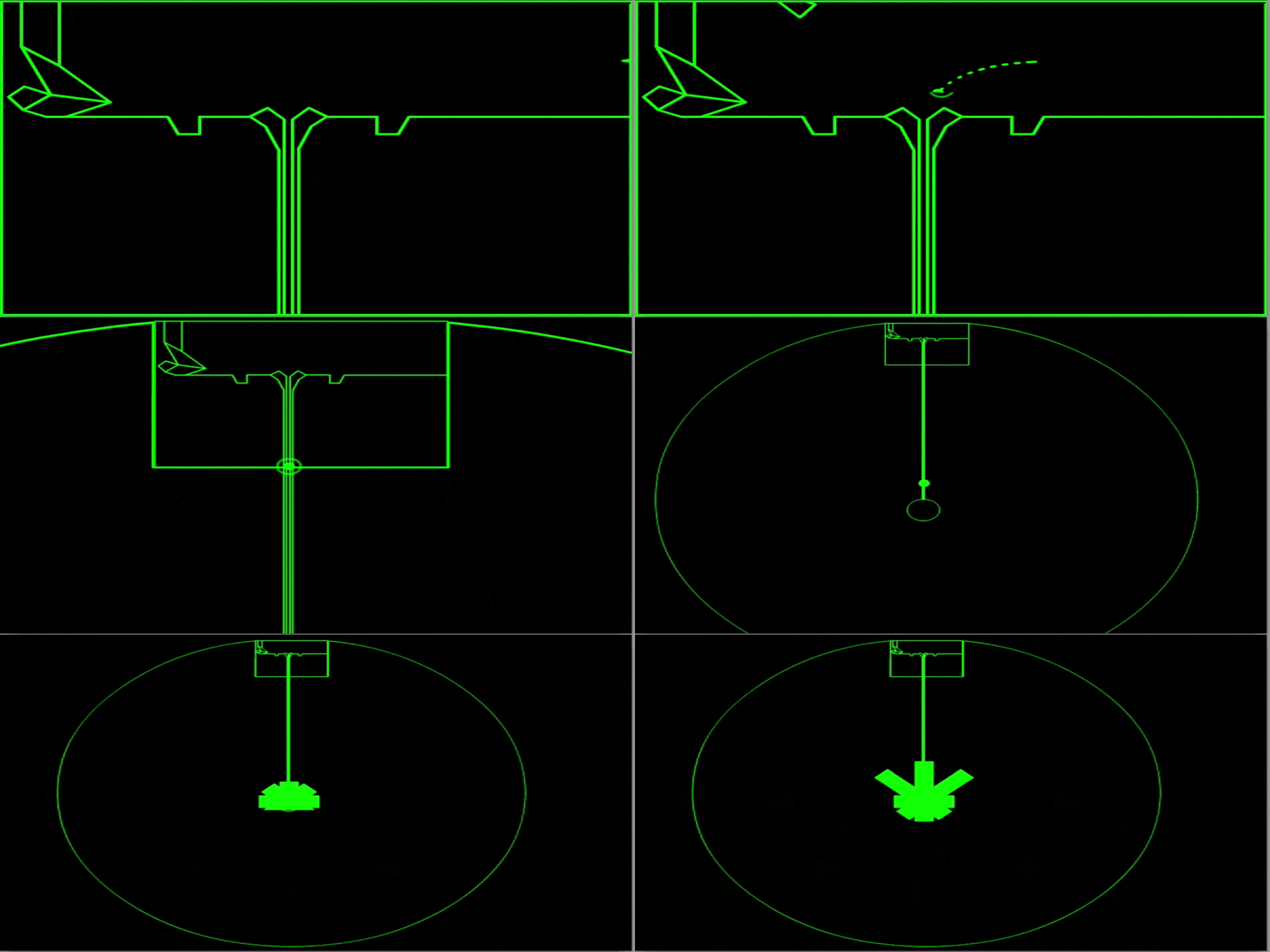
Collapse OS — Bootstrap post-collapse technology
Winter is coming and Collapse OS aims to soften the blow. It is a Forth (why Forth?) operating system and a collection of tools and documentation with a single purpose: preserve the ability to program microcontrollers through civilizational collapse. It is designed to:
Atomic Design by Brad Frost
Learn how to create and maintain digital design systems, allowing your team to roll out higher quality, more consistent UIs faster than ever before.
Domain-Driven Design: Tackling Complexity in the Heart of Software
Domain-Driven Design fills that need. This is not a book about specific technologies. It offers readers a systematic approach to domain-driven design, presenting an extensive set of design best ...
Special Issue Editorial – Accumulation and Evolution of Design Knowledge in Design Science Research: A Journey Through Time and Space
Sir Isaac Newton (1676) famously said, “If I have seen further, it is by standing on the shoulders of giants.” Research is a collaborative, evolutionary endeavor—and it is no different with design science research (DSR), which builds upon existing design knowledge and creates new design knowledge to pass on to future projects. However, despite the vast, growing body of DSR contributions, scant evidence of the accumulation and evolution of design knowledge has been articulated in an organized DSR body of knowledge. Most contributions rather stand on their own feet than on the shoulders of giants, and this continues to limit how far we can see, curtailing the extent of the broader impacts that can be made through DSR. In this editorial, we aim at providing guidance on how to position design knowledge contributions in wider problem and solution spaces. We propose (1) a model conceptualizing design knowledge as a resilient relationship between problem and solution spaces, (2) a model that demonstrates how individual DSR projects consume and produce design knowledge, (3) a map to position a design knowledge contribution in problem and solution spaces, and (4) principles on how to use this map in a DSR project. We show how fellow researchers, readers, editors, and reviewers, as well as the IS community as a whole, can make use of these proposals, and also illustrate future research opportunities.
Inside Design Tokens: Modeling & Communication
Design system architecture with focus on design tokens, that form the vocabulary of your visual design language, helping to streamline the communication amongst stakeholders. Modeling the system with boundaries to ensure clear purpose and predictability for design tokens and stability guarantees wit
Convivial Computing Salon #6: Convivial design heuristics for software systems
Jenny Wen: The design process is dead. Why Designers can no longer trust it.
A blog by Josh Cogliati: Public Domain Books to Restart Computer Technology
CollapseOS is a project to make an operating system and tools that can help restart technology after a civilization collapse: https://collap...
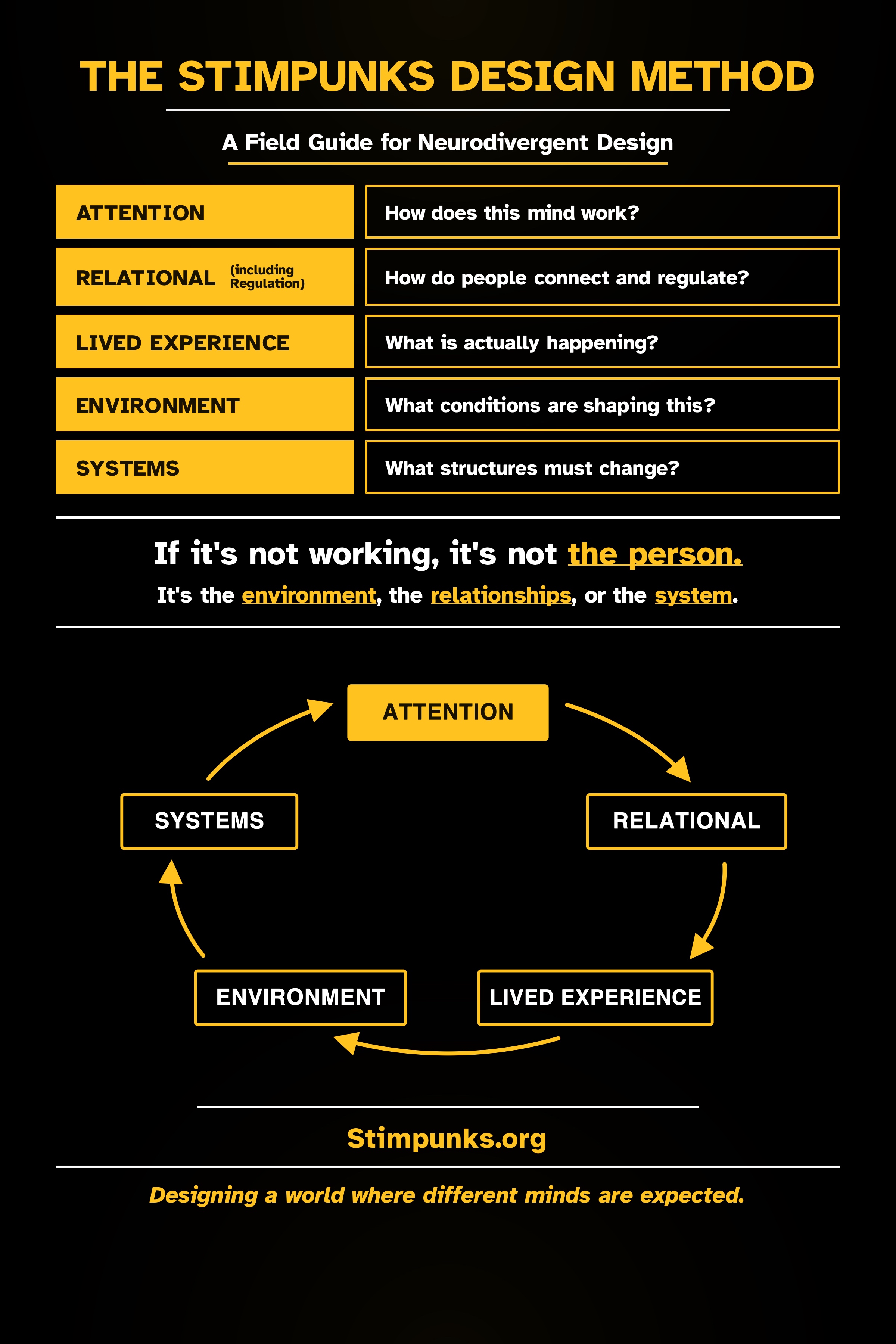
The Stimpunks Design Method
Most institutions try to fix people. Stimpunks redesigns environments. The Stimpunks Design Method uses pattern language to help people design environments where neurodivergent minds can thrive. The Stimpunks Design Method is a practical framework for building systems that work for real human minds. It begins with attention and nervous system safety, builds shared language, redesigns […]
The Internet of Beefs
You’ve heard me talk about crash-only programming , right? It's a programming paradigm for critical infrastructure systems, where there is -- by design -- no…