

Building At The Edges
Technology Podcast · Updated Weekly · In Building At The Edges, Jess Sloss, instigator at Seed Club, holds intimate conversations with top innovators building irresistible web3 communities. We surface insights from DAO experiments and dig…

Leaflet, Blogging, and How to Fix Social Media - Aaron Ross Powell
Decentralization, network overlap, and why we should all blog, too.
Holdfast 0: Situating
This post introduces the written version of some optimistic and constructive thinking on knowledge in networks that I’ve been wrestling with since the end of last year.
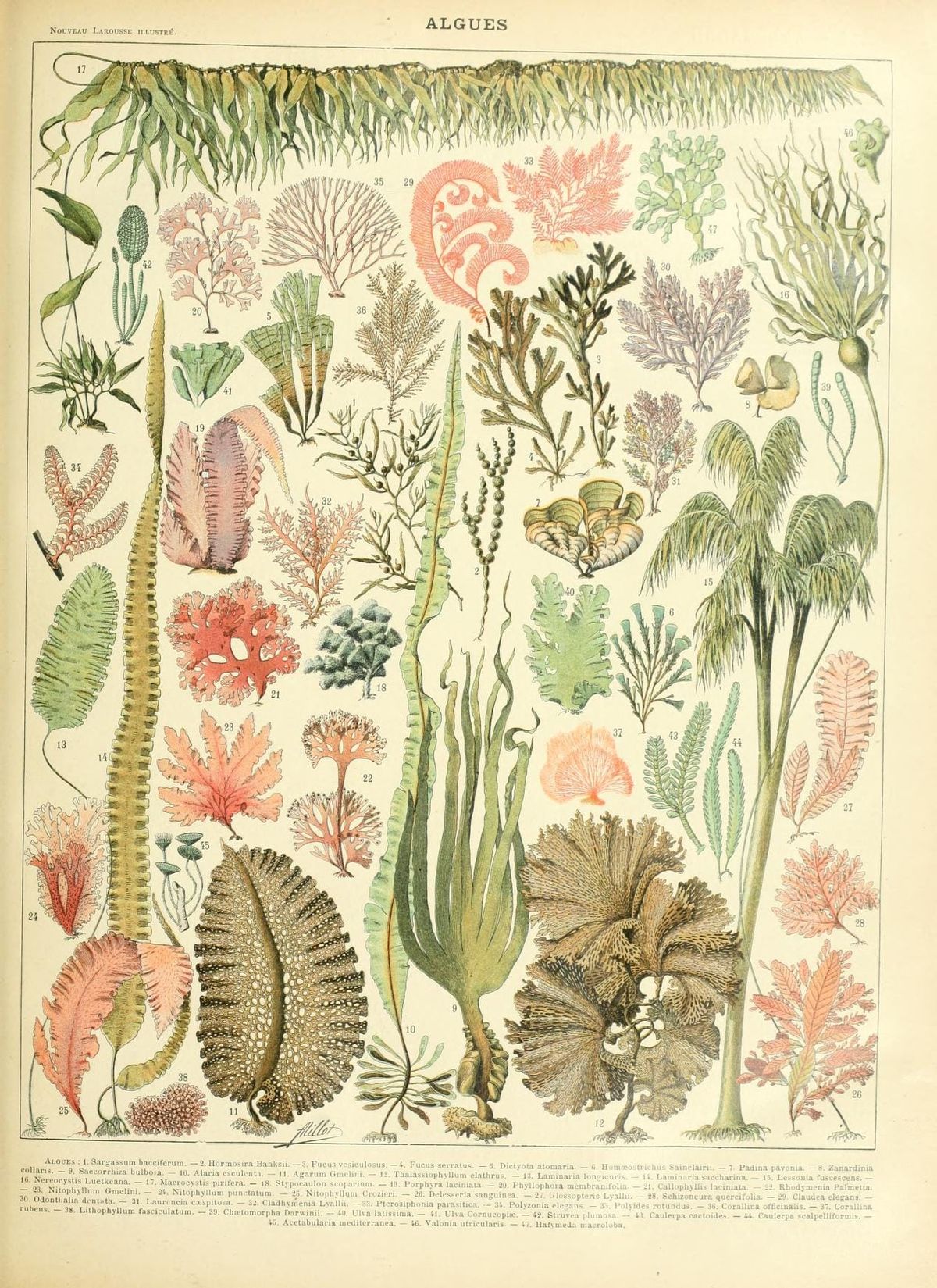
Collective knowledge foraging in trail-based social networks beyond feeds
Sharing insights about moving beyond feeds from building Semble, a community knowledge garden built on the AT Protocol. The World Wide Web is called a web for good reason. We navigate this web of interconnected websites by clicking hyperlinks and opening new tabs in tools called browsers. This kind of browsing experience is defined by its open-endedness and interwoveness; every website we visit becomes a step along a path. With the rise of social media, we lost touch with this vast trail network. Rather than creating a social web where our trails got woven onto a shared map, they were instead paved over by information superhighways: the algorithmic feeds. Hyper-scaled social media platforms reduced the vast web of interconnected pages into a stripped down ad-ridden and attention-extracting monoculture. Our online experiences became reduced to the flick of a finger, the doom scroll. With the rise of open social protocols, like ATProto, we have an opportunity to leave these misaligned profit-driven and ad-based feeds behind and rediscover the magic of shared knowledge trails. what might that look like? In this lightning talk I’ll share insights and lessons my team and I have learned from building [Semble](https://semble.so/), a community knowledge garden built on ATProto. Semble is an open social network based on knowledge trails rather than feeds. I’ll explore what trail-based social networks of the future could look like, grounded in features and use-cases we’ve uncovered while building Semble. In the transition from feeds back to trails, we aim to co-create an open social web that centres the value of human attention and sparks a new era of collective wisdom. This lightning talk is an invitation to co-create this future together. It will similar to a prior [lightning talk](https://www.youtube.com/watch?v=ptOMKK1lC4Q) we gave at ATmosphereConf 2026, adapted for DWeb Camp. Recorded at DWeb Camp 2026, Open Social Space, 2026-07-10. Schedule entry: https://talx.dod.ngo/dwebcamp-2026/talk/TA3NY7/
Dawn of a new era in Search: Balancing innovation, competition, and public good | Kagi Blog
Google search is in the news.
Introducing the “organize mode” and the supporter tier
The first issue of the Currents blog, where we introduce the new organize mode and a way to support the project.

Blog - Vercel
Blog posts from the Vercel team and community. Discover the latest in web development.

About Us
Around the world, building the internet’s operating system—and a better way to work. In a world of tech companies fighting for growth at any cost, imagine one that gives away its most successful pr…

Scaling Engineering Teams: Lessons from Google, Facebook, and Netflix
After spending over a decade in engineering leadership roles at some of the world’s most chaotic innovation factories—Google, Facebook, and Netflix—I’ve learned one universal truth: scaling e…

Blog
Check out Logic's blog for increasing association member engagement, improving your online community and keeping your customers happy. Read articles from our blog now!

good heavens, she's BLOGGING now?? i've been playing around with migrating to independent, open-source social networks for a while now. the tech is really maturing! but the space is still awkward to discuss. i talk about this issue here, and how it applies across matrix, activitypub, and ATproto.

communicating open social networks to normies
spacegirl.pckt.blog