


Proclamations of an all-native mobile app world ignore the fact that browsers and the web are fast becoming the mobile operating system of the future.
Why did the web take over desktop and not mobile?
TLDR: “make the web do apps” is not a disruptive strategy. It's like surviving The Great Oxidation Event, then saying “make anaerobes do photosynthesis”. Ok, but the blue-green algae got there first, so photosynthesis is no longer asymmetric. It is symmetric competition.

Native Apps are Doomed
From now on, I won’t be building any more native apps. All my apps going forward will be progressive web apps. Progressive web apps are web…

High Performance Browser Networking (O'Reilly)
What every web developer must know about mobile networks, protocols, and APIs provided by browser to deliver the best user experience.


Making the Jump: How Desktop-Era Frameworks Can Thrive on Mobile
How do tools that grew up on the desktop, like Ember, Angular and React, make the jump to the mobile future?

The Second Smartphone Revolution - AVC
Benedict Evans tweeted out this chart yesterday: We sometimes think of the shift to mobile as finished, or almost finished. It isn’t. pic.twitter.com/l5gaiMlaoU — Benedict Evans (@BenedictEvans) March 12, 2016 The first 2.5bn smartphones brought us Instagram, Snapchat, Uber, Whatsapp, Kik, Venmo, Duolingo, and most importantly, drove the big web apps to build world class […]
Yet another blog about the state and future of Progressive Web App
Progressive Web Apps are in flux at the moment, these are the opinions of someone who has been working on web apps before they got conflated with Service Workers and new web tech.
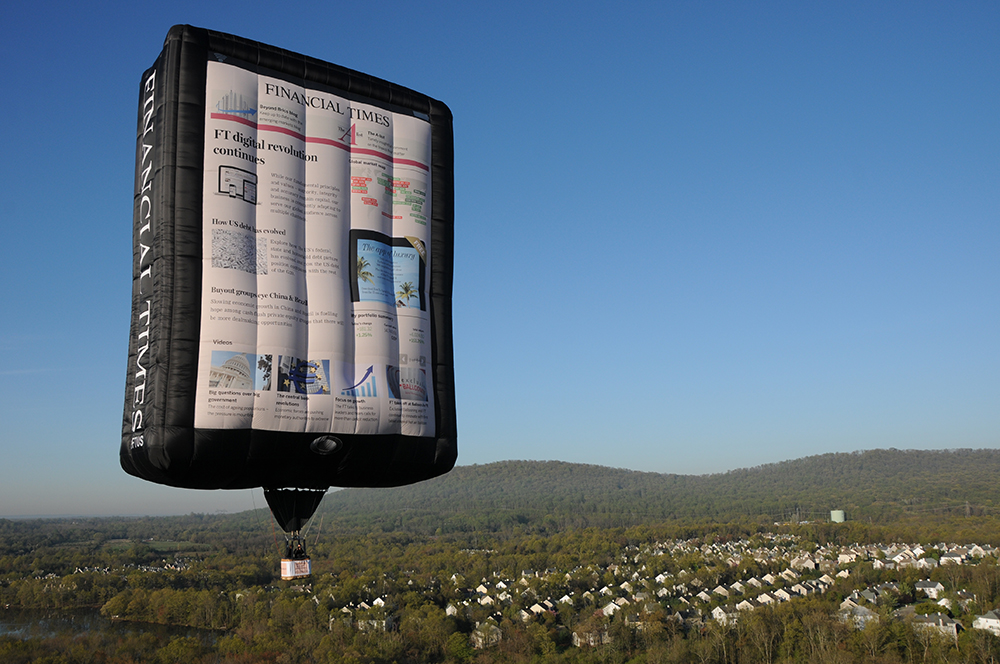
Google takes a new approach to native apps with Instant Apps for Android | TechCrunch
Mobile apps often provide a better user experience than browser-based web apps, but you first have to find them, download them, and then try not to forget
Morgan Stanley: No, Apps Aren't Winning. The Mobile Browser Is. | MarTech
Last week, comScore released its Mobile App Report, which we covered. The report contained many interesting findings, but its big takeaway was this:

Native Apps Should Be Avoided Whenever Possible — No One's Happy
Why native apps have become privacy liabilities, and why the browser is almost always the better choice.
The viability of JS frameworks on mobile
Whether I like it or not, not everyone using my web apps will be running iOS 9 on an iPhone 6S or a Nexus 6P and connecting via super-speedy wifi.
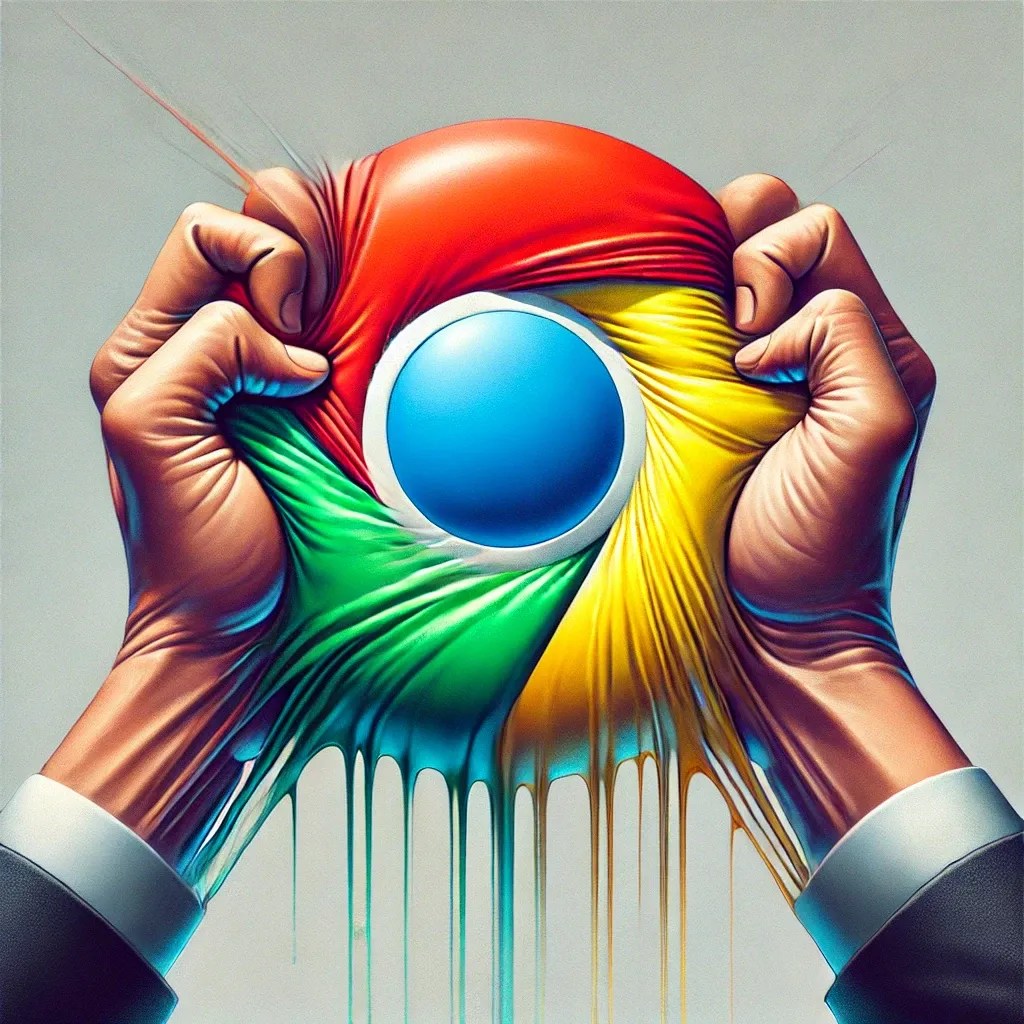
Forget the Fate of Chrome, Focus on the Fate of the Browser
In debating what undoubtedly won't happen, we're looking past some key things that are -- and might...
Carl Pei Thinks the Phone of the Future Will Only Have One App
Nothing’s CEO speaks to WIRED about how he sees the smartphone market playing out in an era of AI, and where he thinks the competition is going wrong.

Why I switched to Android after 7 years of iOS
Monday of last week I was all excited. I had just gotten the green light to start prototyping a new Progressive Web App for a client I've been working with.
Our best practices are killing mobile web performance
Web performance rules invented for desktop web access need to be revised for the mobile era.

How might a browser be developed?
There’s a confluence of things that have happened recently that have made me question how browsers might be developed: On January 8th 2026, Simon Willison predicted that someone will build a browser using mainly AI-assisted tools within 3 years On January 27th 2026, one human and one agent built a browser from scratch (great experiments) On the 19th February 2026, news came out that Taalas had a chip that can spit out nearly 17,000 tokens per second by baking a model onto the chip. I would like to indulge in a little bit of projection and in my case, some science fiction of my own.
