

This is the first in a series of articles about innovation and open computing. Because it’s a holiday time of year in the USA, I’ve decided that these next few articles will be a detour…
We used to get excited about technology. What happened?
Innovation that truly serves us all is in scarce supply. That’s a problem.
Reframing “Open Source AI” with Meredith Whittaker: AI Impact Summit 2026
Presentations — Benedict Evans
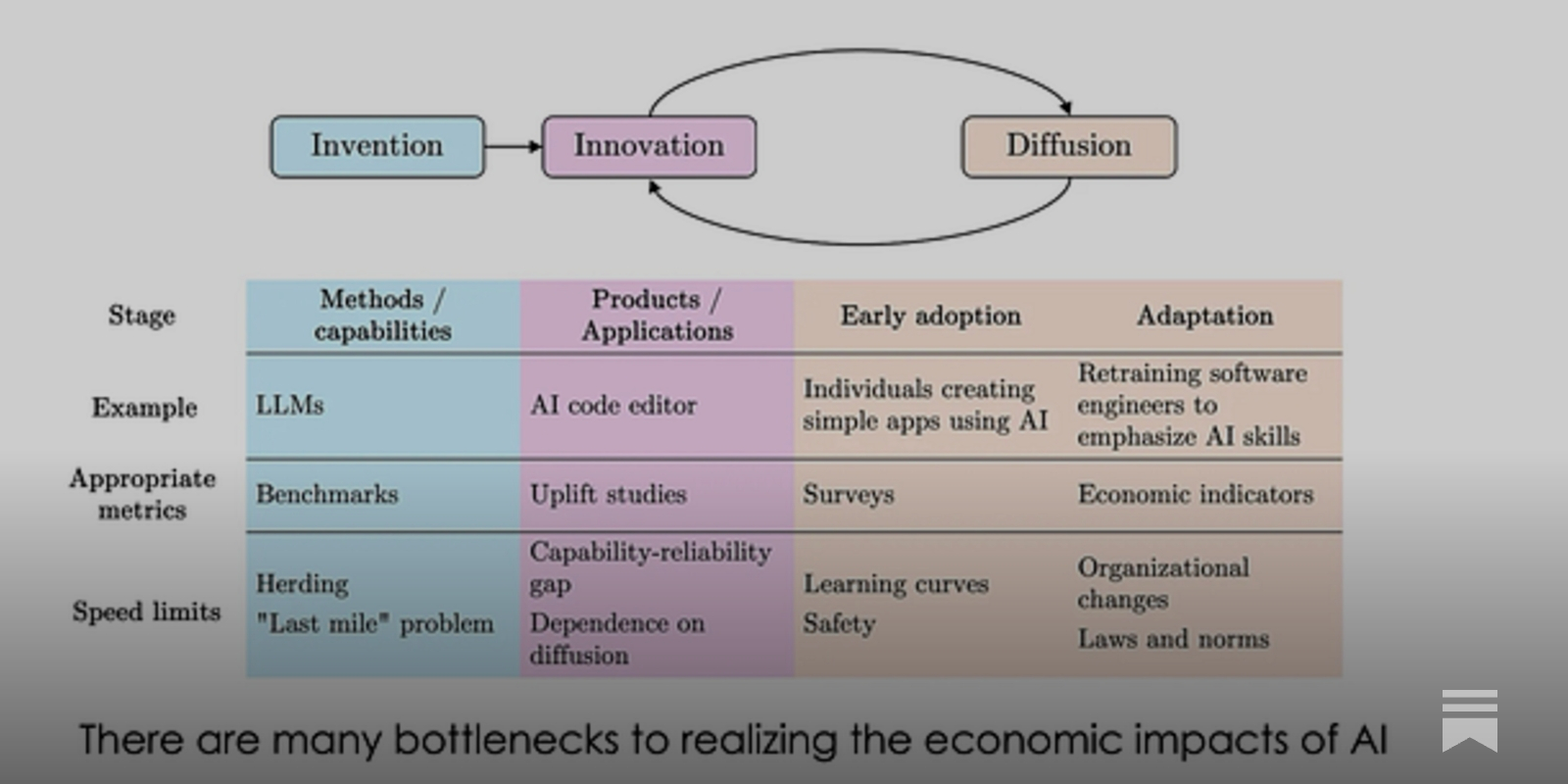
Every year, I produce a big presentation exploring macro and strategic trends in the tech industry. New in May 2025, ‘AI eats the world’.

Complexity and Strategy | HackerNoon
I struggled with how to think about complexity through much of my career, especially during the ten years I spent leading Office development. Modeling complexity impacted how we planned major releases, our technical strategy as we moved to new platforms, how we thought about the impact of new technologies, how we competed with Google Apps, how we thought about open source and throughout “frank and open” discussions with Bill Gates on our long term technical strategy for building the Office applications.
Let’s invent new interfaces, not new products
Posted on Thursday 25 Feb 2021. 507 words, 2 links. By Matt Webb.

The state of the tech industry in 2026 - LDX3 New York
Weizenbaum examines computers and society - The Tech
An article from the Tuesday, April 9, 1985 issue of The Tech - MIT's oldest and largest newspaper and the first newspaper published on the Internet.
The Rise of OPEN Innovation: The 3P’s for Building a Durable Open Software Company
Accel recently hosted more than 100 of the top open source executives and thought leaders for a full-day event covering the next wave of…

Care at the Edge of Automation – Topos Institute
Technologies don’t just solve problems, they change us. We invent technologies, and they invent us in turn, shaping our lives and worlds. This is the phenomenon that Terry Winograd and Fernando Flores, in Understanding Computers and Cognition (1986), called “ontological design.” It matters now more than ever—along with a second lesson they saw clearly. Technological research is always guided (and sometimes misguided) by deep ontological assumptions about, e.g., the nature of cognition, agency, and communication. If we are to create technologies that truly serve human flourishing and care, we must bring these hidden assumptions into the open and question them at their roots.


The Evolution of Software
Last week Chris Paik published a Google Doc titled, The End of Software, where he articulates the lowering cost of software development and potential implications. He ends the piece with a provocative statement: "Majoring in computer science today will be like majoring in journalism in the late...

People Loved the Dot-Com Boom. The A.I. Boom, Not So Much.
Tech leaders are beginning to worry about the public’s underwhelming enthusiasm for their plans to remake the world with artificial intelligence. Will that burst the bubble?

Big Tech’s A.I. Spending Is Accelerating (Again)
Despite the risk of a bubble, Google, Meta, Microsoft and Amazon plan to spend billions more on artificial intelligence than they already do.

Richard Geldreich's Blog: Tech company patterns
First off, I'm not finished with this blog post. Don't take it too seriously. This is not about any one company . Some aren't even from me....
Technological

Posts about the future of the internet, AI, and anything technological. Hence the name.

Child Predators Turn to Open-Source AI to Make Unlimited Illegal Images

Mac Users Reclaim 12GB+ of Storage With Apple Intelligence Removal Tool
‘Doom Loop’: OpenAI and Microsoft Admits LLMs Are Destroying the Web and Built on Theft

Cory Doctorow: AI’s big beasts aren’t really scared of their products. They’re scared of their competition
How AI Chatbots Are 'Deskilling' Human Empathy
Pluralistic: The Claude Delusion (21 Sep 2026) – Pluralistic: Daily links from Cory Doctorow