

See this post on Semble to find connections and similar articles.
What stories should we tell about scientific progress now?
In search of the mysterious fruits of basic science

Markus J. Buehler on Twitter / X
After decades at MIT studying how nature builds - from spider silk to bone to nacre - I've become convinced of something: the biggest barrier to scientific progress isn't knowledge, it's connection. The insights we need already exist, scattered across millions of papers and… pic.twitter.com/EHUomaFyPj— Markus J. Buehler (@ProfBuehlerMIT) March 10, 2026
Rationality: What It Is, Why It Seems Scarce, Why It Matters by Steven Pinker
In the twenty-first century, humanity is reaching new heights of scientific understanding—and at ...
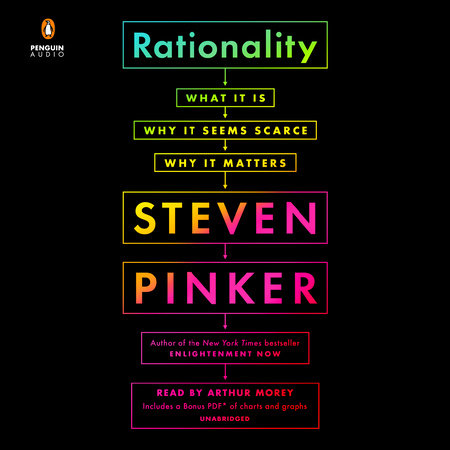
Michael Nielsen – How science actually progresses
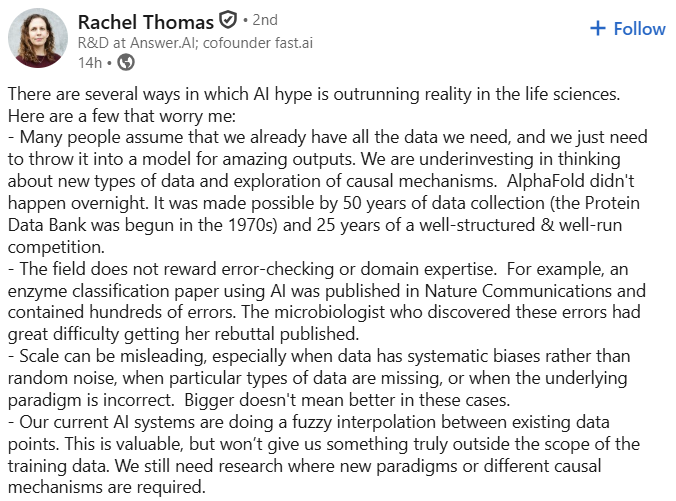
Anshul Kundaje on Twitter / X
Excellent post by Rachel Thomas in the ways AI hype is outrunning reality in life scienceshttps://t.co/oAqoWaJlIb pic.twitter.com/6psP5ZAyOF— Anshul Kundaje (@anshulkundaje) March 17, 2026
How Life Works: A User’s Guide to the New Biology
“Bold and intriguing.”—Wall Street Journal • “Penetrating. . . . Provocative and profound.”—Publishers Weekly (starred review) • “Offers plenty of food for thought.”—Kirkus Reviews (starred review) “Ball’s marvelous book is both wide-ranging and deep. . . . I could not put it down.”—Siddhartha Mukherjee, author of The Song of the Cell and the Pulitzer Prize–winning The Emperor of All Maladies A new, cutting-edge vision of biology that revises our understanding of what life itself is, how to enhance it, and what possibilities it offers. Biology is undergoing a quiet but profound transformation. Several aspects of the standard picture of how life works—the idea of the genome as a blueprint, of genes as instructions for building an organism, of proteins as precisely tailored molecular machines, of cells as entities with fixed identities, and more—have been exposed as incomplete, misleading, or wrong. In How Life Works, Philip Ball explores the new biology, revealing life to be a far richer, more ingenious affair than we had guessed. Ball explains that there is no unique place to look for an answer to this question: life is a system of many levels—genes, proteins, cells, tissues, and body modules such as the immune system and the nervous system—each with its own rules and principles. How Life Works explains how these levels operate, interface, and work together (most of the time). With this knowledge come new possibilities. Today we can redesign and reconfigure living systems, tissues, and organisms. We can reprogram cells, for instance, to carry out new tasks and grow into structures not seen in the natural world. As we discover the conditions that dictate the forms into which cells organize themselves, our ability to guide and select the outcomes becomes ever more extraordinary. Some researchers believe that ultimately we will be able to regenerate limbs and organs, and perhaps even create new life forms that evolution has never imagined. Incorporating the latest research and insights, How Life Works is a sweeping journey into this new frontier of the life sciences, a realm that will reshape our understanding of life as we know it.
Competitive Cognitive Artifacts and the Demise of Humanity: A Philosophical Analysis
David Krakauer seems like an interesting guy. He is the president of the Santa Fe institute in New Mexico, a complexity scientist and ...

rohit on Twitter / X
One of the most fun papers I've read in recent times. Excellent. Reminiscent of the good old days of science papers. pic.twitter.com/4a7qRTloSG— rohit (@krishnanrohit) December 30, 2024

What happened to Science Goodreads and how do we rebuild it? A 65 million dollar question (at least) - Cosmik Labs
The story of the rise and fall of Mendeley
AI Data Centers Will Be Obsolete (Geometric Reasoning Explained)
Guest post: If you’re going to critique science, be scientific about it
Loren K. Mell Editor’s note: This post responds to a Feb. 13 article in The Atlantic, “The Scientific Literature Can’t Save Us Now,” written by Retraction Watch cofounders Adam Marcus and Ivan Oran…

The case for a validity layer in life science research
When OpenAI recently announced that one of its models had disproved a long-standing conjecture in discrete geometry, the scientific community took notice...
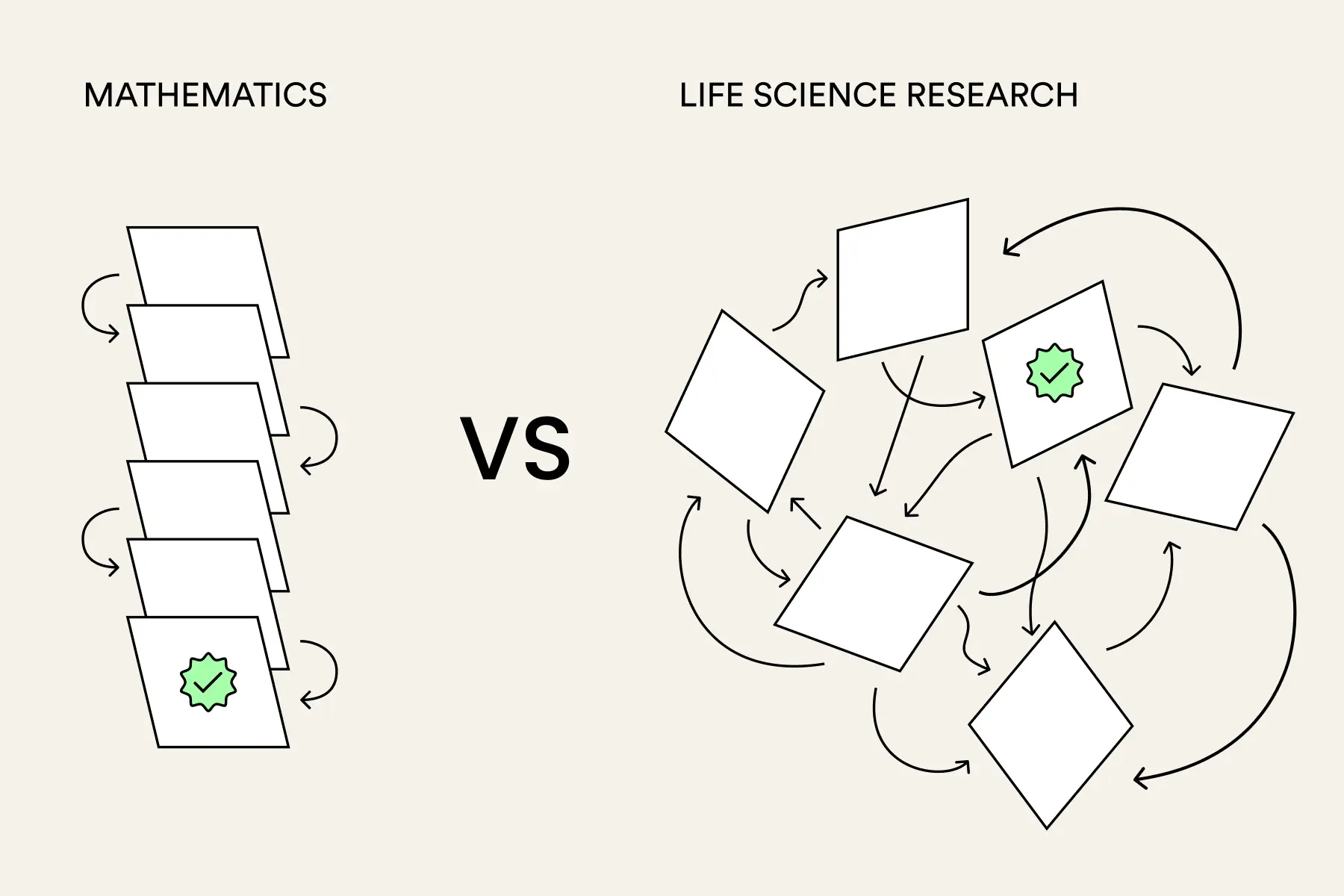
"experiments to be in the realm of search and discovery, enabling curation, trust signals, and other approaches that build on the modular elements of science" #modularscience #atscience Congrats to the whole @openrxiv.bsky.social team!! So exciting.

openRxiv
Introducing openRxiv Labs! 🔬 Growing from the strong foundation of bioRxiv & medRxiv, Labs is an experimental space for working with collaborators to push the boundaries of open scientific communication. 👉 Check it out and learn more: openrxiv.org/openrxiv-labs-launch/ #OpenScience #Preprints #Scicomm
ATScience 2026 Presentations

re-commoning science

RDM for ATProto Open Science

Connecting the dots on how to implement FAIR compliant Research Data Management features to the emerging Open Science infrastructure on AT Protocol.
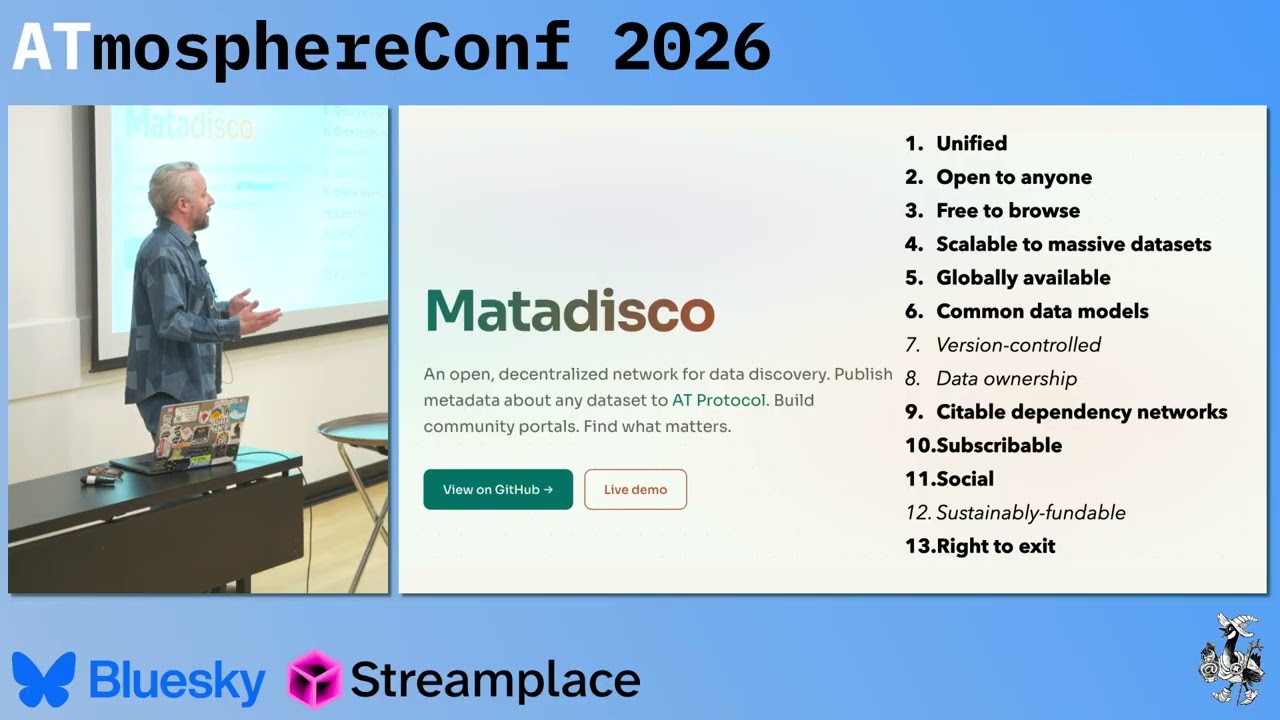
Matadata! Publishing scientific data straight to AT - ATmosphereConf 2026
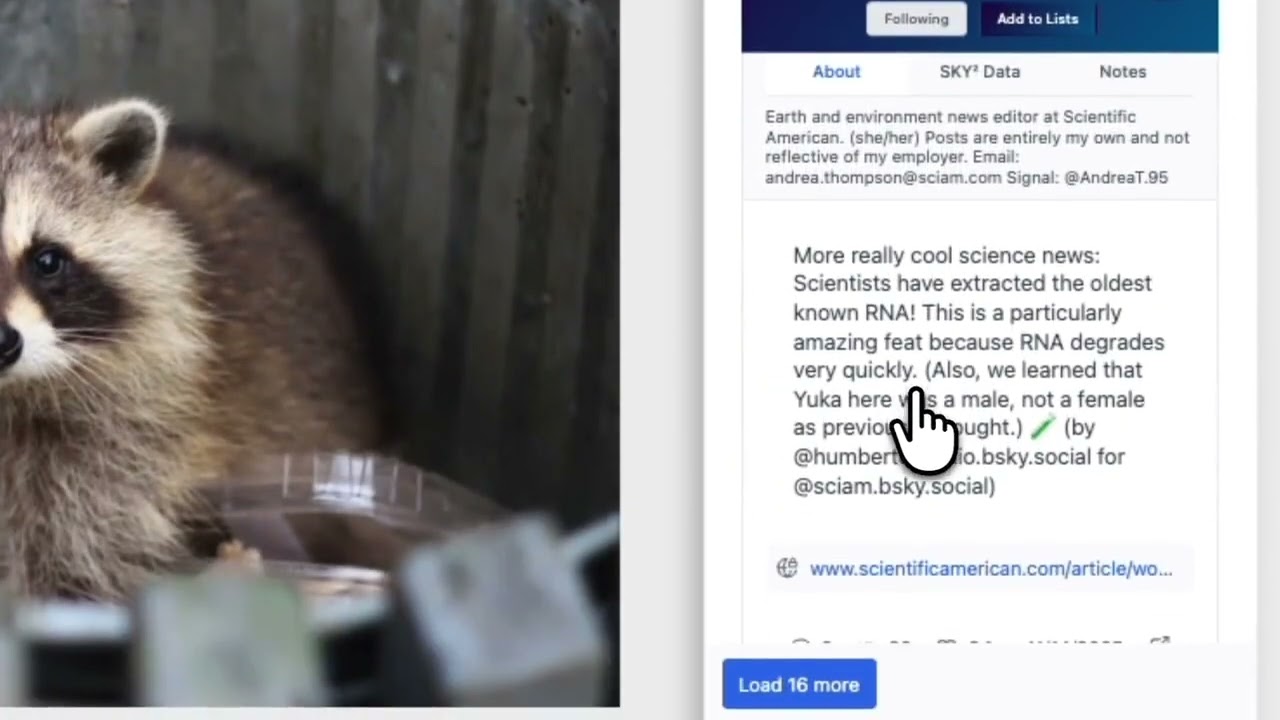
Skysquare is context as a service - Travis Simpson - @skysquare.app - ATmosphereConf 2026
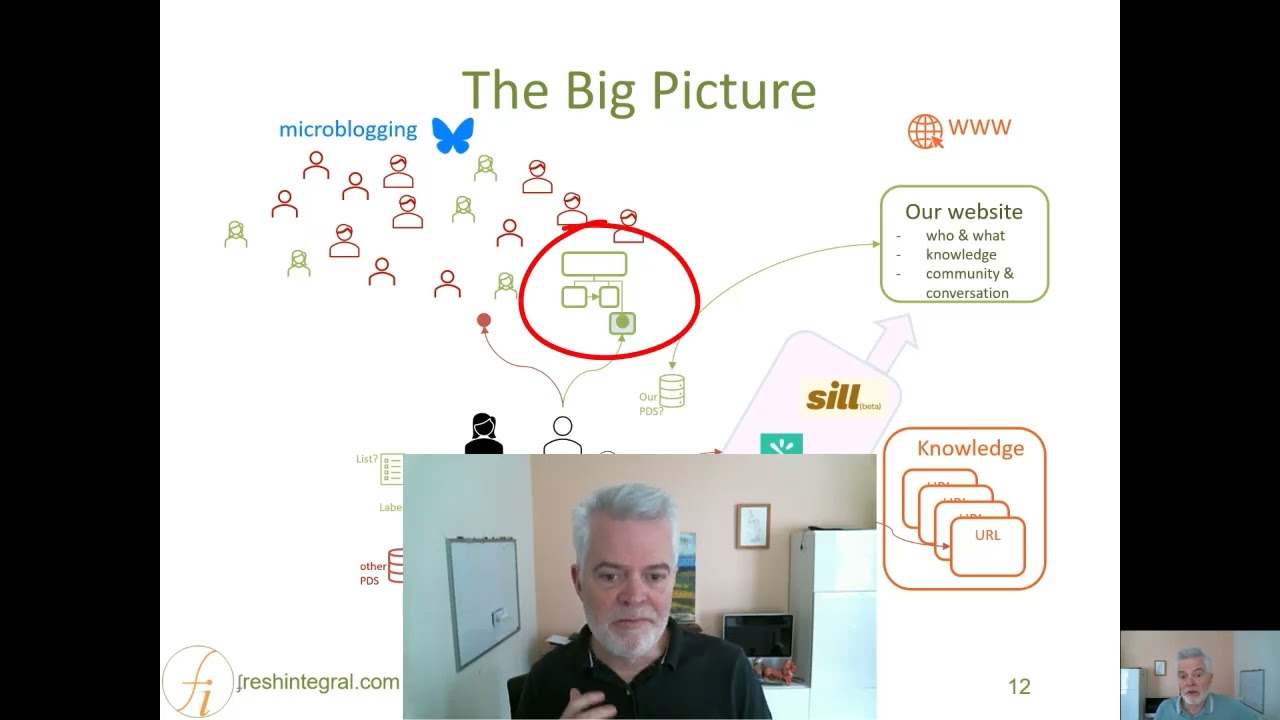
The Atmosphere as research infrastructure

Reigniting the Party: Lessons from a Stalled Migration to Bluesky - ATmosphereConf 2026
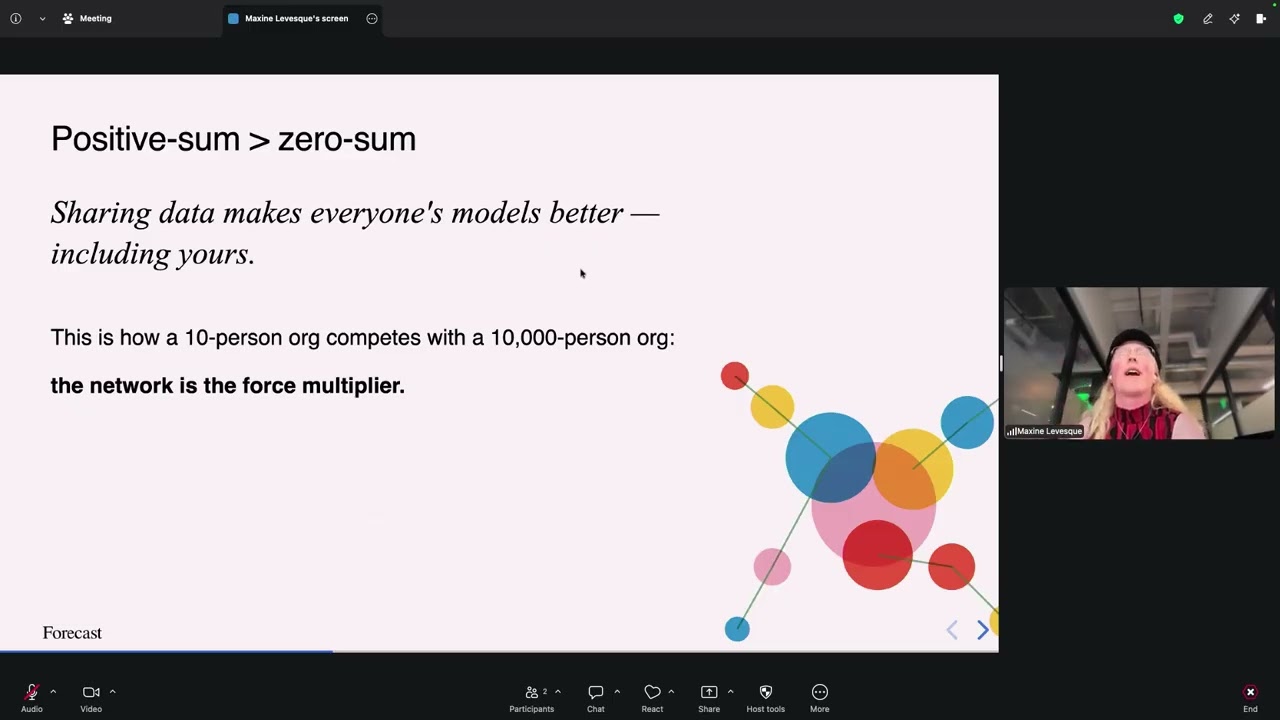
Building decentralized AI on atproto - ATmosphereConf 2026
Making wisdom together - seams.so - @hyl.st - ATmosphereConf 2026

Profit, cost, price, learned societies; further thoughts on Samuel A. Moore's Publishing Beyond the Market

Publishing Beyond the Market: Open Access, Care, and the Commons
Authorship, division of labour, material and digital form; thoughts on Samuel A. Moore's Publishing Beyond the Market
Bioregionalism, Commoning, and Relationalized Finance | David Bollier

Reclaiming the Computing Commons

The Drain of Scientific Publishing
| Eden-Fidelis
About RO-Crate | Research Object Crate (RO-Crate)

Lea: A Social App for Researchers - ATmosphereConf 2026
Chive | Decentralized Eprint Service
What It Means for Universities to Run Their Own PDS: The Potential of DID as Academic Infrastructure - Nightflight

Standard.site - One schema. Every platform.
