

Regular readers of this blog may have noticed that I am not very happy with today's state of computational notebooks, such as they were pioneered by Mathematica and popularized by more recent free incarnations such as Jupyter, R markdown, or Emacs/OrgMode. In this post and the accompanying screencast (my first one!), I will explain what I dislike about today's notebooks, and how I think we can do better.
Project Jupyter
The Jupyter Notebook is a web-based interactive computing platform. The notebook combines live code, equations, narrative text, visualizations, interactive dashboards and other media.
unslothai/notebooks
250+ Fine-tuning & RL Notebooks for text, vision, audio, embedding, TTS models.
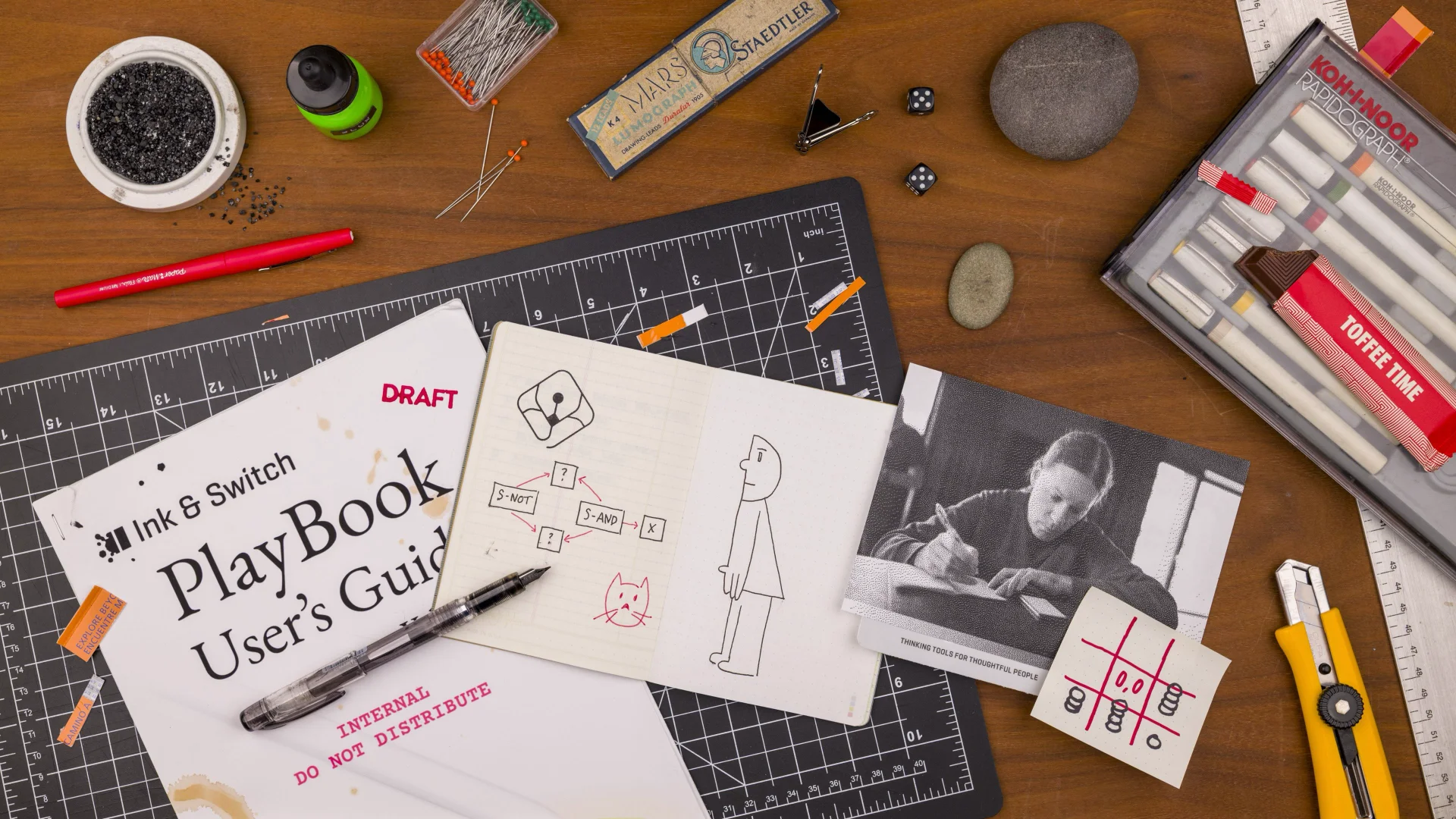
PlayBook: A Programmable Paper Notebook
lfnovo/open-notebook
An Open Source implementation of Notebook LM with more flexibility and features
Scratch – A minimalist markdown scratchpad
An offline-first, open source markdown note-taking app. No cloud, no account, no subscriptions.

GitHub issues for notes
GitHub issues is almost the best notebook in the world. Free and unlimited, for both public and private notes. Comprehensive Markdown support, including syntax highlighting for almost any language. Plus …
Callysto: Bringing Jupyter and Computational Thinking to the K-12 Curriculum
Cybera and the Pacific Institute for Mathematical Sciences are participating in the new national CanCode program, to develop coding and digital skills from kindergarten to grade 12. With the launch of the Callysto project, we are creating tools and frameworks that help teachers bring computational thinking into their math, science, social sciences, and humanities courses - giving students the analytical skills needed to comprehend the digital world. Leveraging the Jupyter 'All-in-One' Science Platform to put friendly yet powerful compute tools in classroom settings, we are creating showcase modules and workshop training for K-12 teachers to incorporate data and computing into the broad curriculum. At this presentation, you will learn about how Callysto will: Bring computational thinking to classrooms through K-12 teacher training Create opportunities to participate in free workshop training sessions and content creation Help K-12 teachers gain public recognition for participating in this educational training project Note: This presentation is related to our 2017 BCNET presentation on "Bringing The Thunder: Deploying Jupyter Notebooks For Research, Education, And Innovation." View Slidedeck
Dragoncatcher the blog
Robin Sloan's lab notebook, about media and technology, creative computing, AI aesthetics, & more.


Patchwork Notebook
Internal notes from our ongoing research into soft, softer and softest software
How notebook.link Scales Without Backends
Notebook.link combines WebAssembly and the conda ecosystem to deliver scalable, serverless computing environments that run entirely in the browser. No backend. No scaling headaches. Just instant, collaborative scientific computing for everyone.
prime-radiant-inc/engineering-notebook
CLI tool that ingests Claude Code sessions, generates LLM summaries, and serves a browsable engineering journal
Welcome
I also work extensively with Project Jupyter, particularly the Binder Project and Jupyter Book.
Note taking apps

Notes, Outliners, Markdown Editors, PKMs, Memexs, Second Brains, Commonplace books, and more
OmniCanvas - Free Infinite Canvas Notes App
Best Notes App - Write and Organize with UpNote
Antinote — a $5 scratchpad for macOS

NotePlan – Notes, Tasks and Calendar in One Daily Note
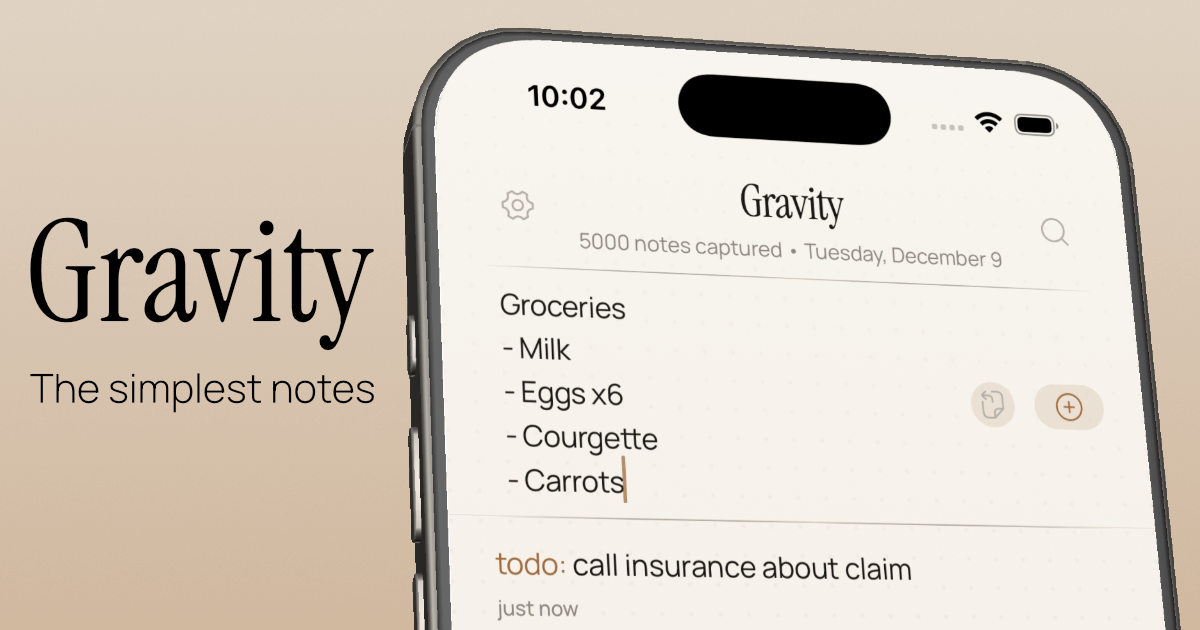
Let your thoughts sink in — Gravity
Knowledgebase Apps (by Boris) — Semble