

A while ago I wrote about my ideas for a successor of today's computational notebooks. Since then I have made some progress on a prototype implementation, which is the topic of this post. Again I have made a companion screencast so that you can get a better idea of how all this works in practice.
Augment
A collection of essays on the future of personal computing — specifically, on the kind we’d like to see more of in the future, and the ideas that might help us get there.
Observable Notebooks 2.0 Technology Preview | Observable
The future of notebooks 📓🔮 is here. We’re building the next generation of Observable Notebooks, and we’re excited to share a technology preview that you can start using today. 🚀
Jupyter Notebooks – a publishing format for reproducible computational workflows
It is increasingly necessary for researchers in all fields to write computer code, and in order to reproduce research results, it is important that this code is published. We present Jupyter notebooks, a document format for publishing code, results and explanations in a form that is both readable and executable. We discuss various tools and use cases for notebook documents.
Introducing notebook.link: The Future of Notebook Sharing
Reimagining how you share, collaborate, and run Jupyter notebooks — all in your browser.
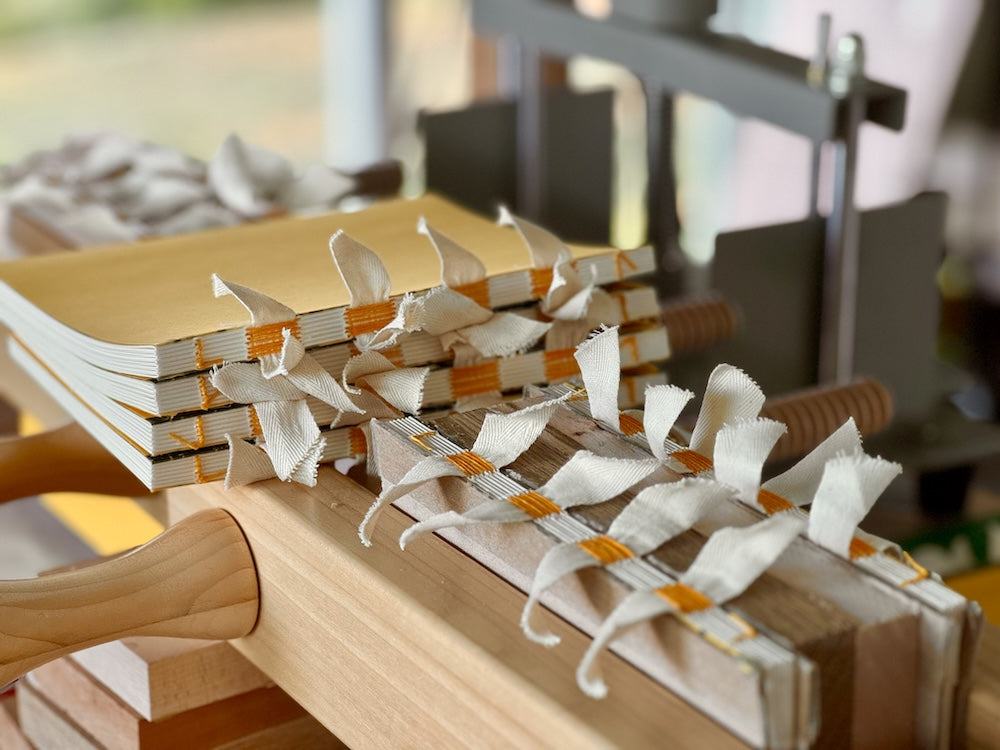
PlayBook: A Programmable Paper Notebook
Dragoncatcher the blog
Robin Sloan's lab notebook, about media and technology, creative computing, AI aesthetics, & more.

Project Jupyter
The Jupyter Notebook is a web-based interactive computing platform. The notebook combines live code, equations, narrative text, visualizations, interactive dashboards and other media.
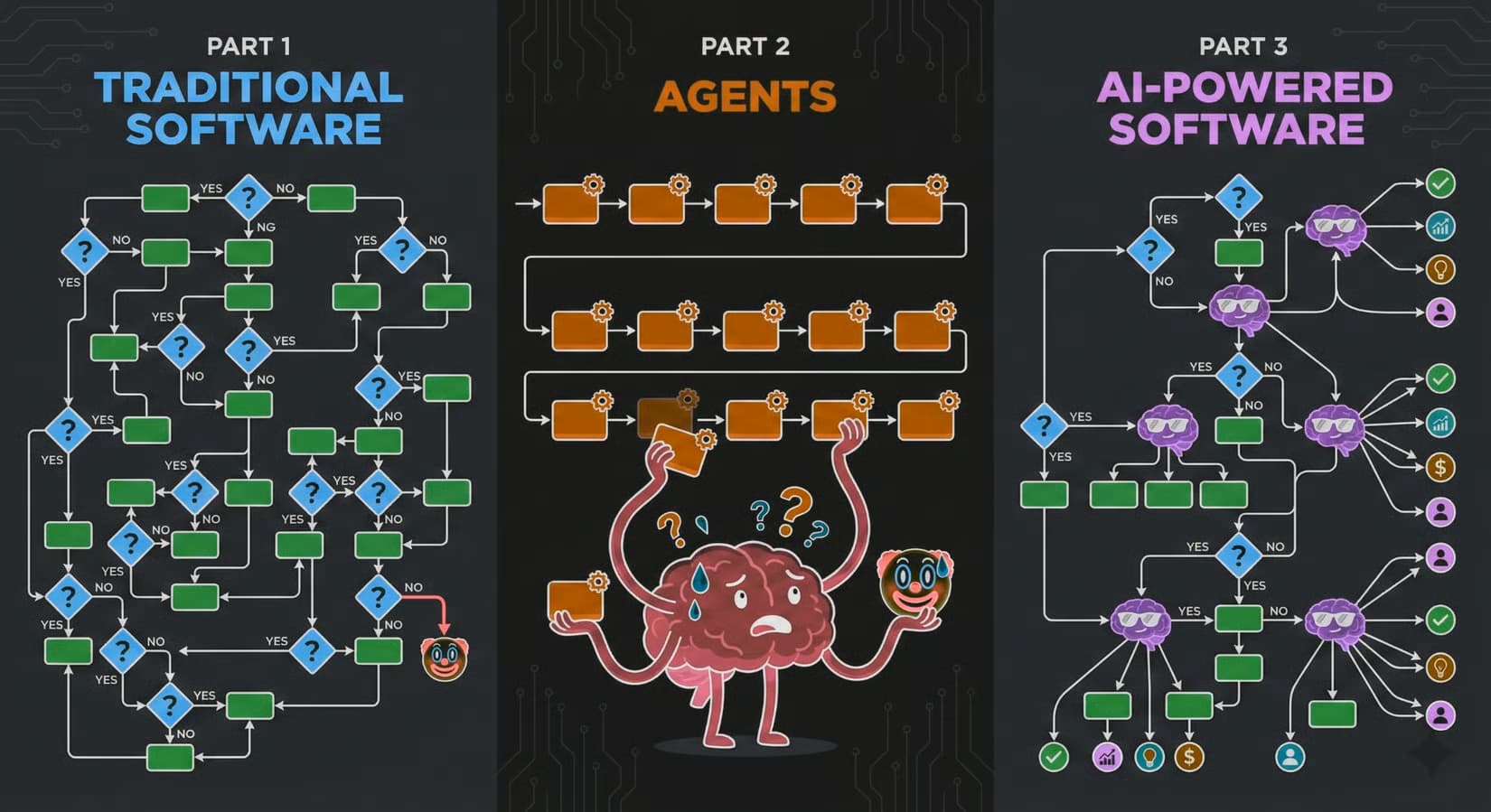
Folk Computing: A Computer for the Real World - Andrés Cuervo
Cyborgs vs rooms, two visions for the future of computing
Posted on Monday 13 Oct 2025. 698 words, 12 links. By Matt Webb.

Callysto: Bringing Jupyter and Computational Thinking to the K-12 Curriculum
Cybera and the Pacific Institute for Mathematical Sciences are participating in the new national CanCode program, to develop coding and digital skills from kindergarten to grade 12. With the launch of the Callysto project, we are creating tools and frameworks that help teachers bring computational thinking into their math, science, social sciences, and humanities courses - giving students the analytical skills needed to comprehend the digital world. Leveraging the Jupyter 'All-in-One' Science Platform to put friendly yet powerful compute tools in classroom settings, we are creating showcase modules and workshop training for K-12 teachers to incorporate data and computing into the broad curriculum. At this presentation, you will learn about how Callysto will: Bring computational thinking to classrooms through K-12 teacher training Create opportunities to participate in free workshop training sessions and content creation Help K-12 teachers gain public recognition for participating in this educational training project Note: This presentation is related to our 2017 BCNET presentation on "Bringing The Thunder: Deploying Jupyter Notebooks For Research, Education, And Innovation." View Slidedeck
Theory Beyond Theorems and Proofs: A Guest Post
Scott’s foreword: I’m extremely grateful to my brilliant colleagues, Pravesh Kothari, Raghu Meka, and Prasad Raghavendra, for sharing the guest post below about how theoretical computer…

What’s the best technology that doesn’t exist yet?
We analyzed 100+ conversations and essays on positive futures to find out

The future of programming and computing

Trends and adjacent possibles for the future of how computers are used and programmed
HyperMap
What Even Is An OS Now?

Maybe We Should Stop Investing in GUI-Centric Software Companies
LIMITS 2026 -- Workshop on Computing within Limits
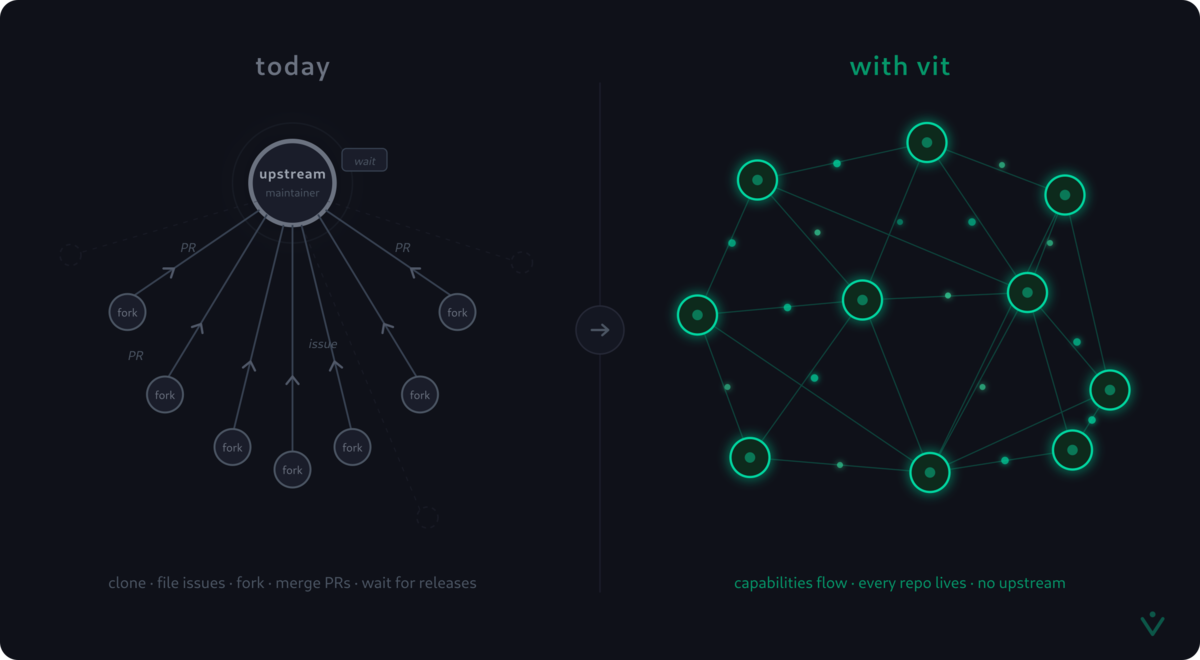
vit — open source is social

Humans approve intent, machines prove conformance