

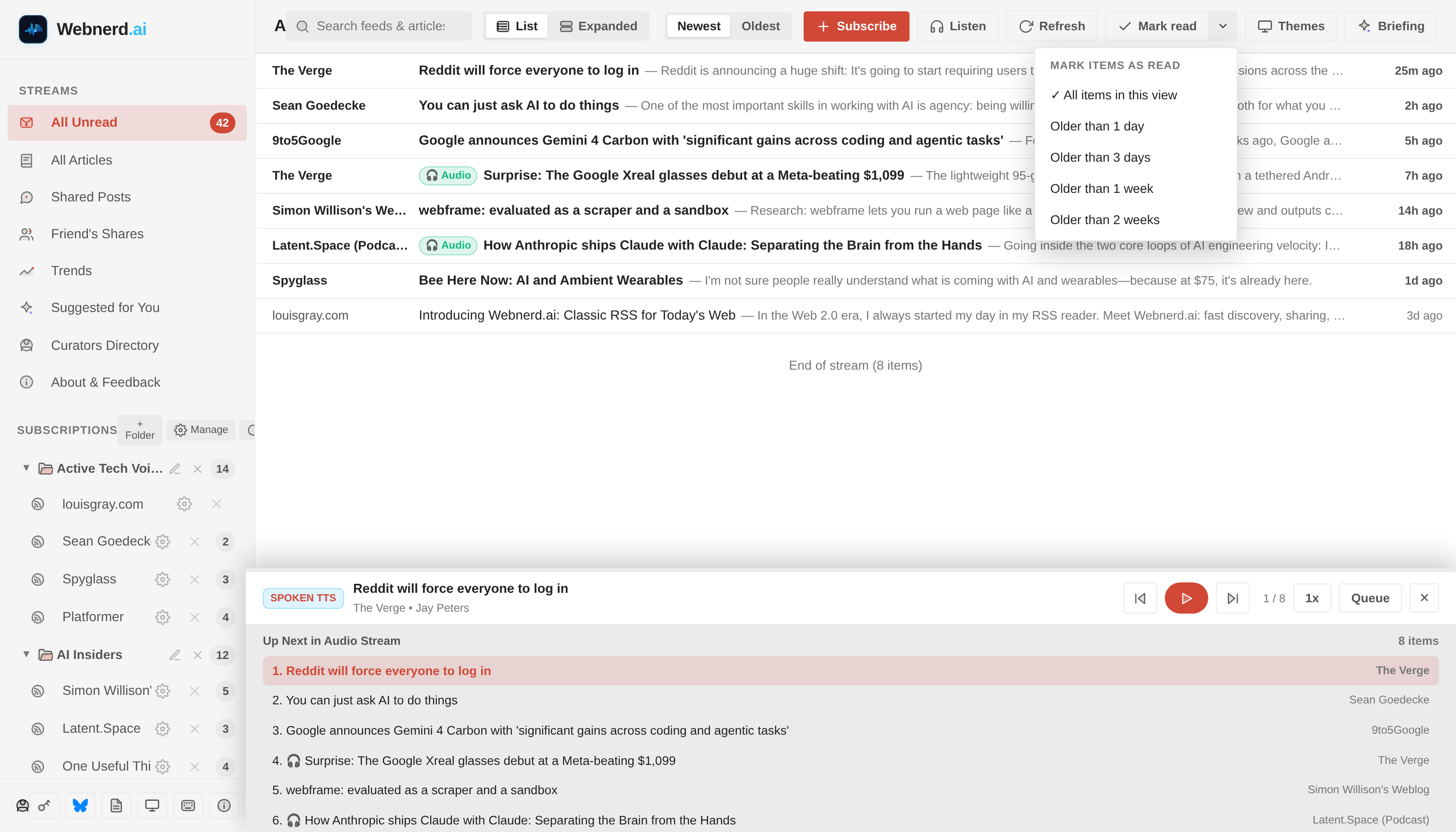
Less than a week after launching Webnerd.ai, daily dogfooding with Antigravity has turned morning coffee wishlists into shipped features: native AT Protocol sign-in and PDS sync, personal @webnerd.ai newsletter inboxes, a docked audio and TTS stream player, Gemini 3.8 Flash briefings, and faster mobile triage.
Webnerd.ai — Fast RSS Reader, Curated Feed Bundles & Social Sharing
Classic RSS for the new Web. Follow independent blogs, Substack newsletters, and curated starter bundles with J/K keyboard shortcuts, Shared Items, and social stream sharing.

Webnerd.ai — Fast RSS Reader, Curated Feed Bundles & Social Sharing
Classic RSS for the new Web. Follow independent blogs, Substack newsletters, and curated starter bundles with J/K keyboard shortcuts, Shared Items, and social stream sharing.
Josh Miller on Twitter / X
What if AI chat is our new front door to the web?Meet "Inline Browsing" in @diabrowser (available today)Now Dia opens webpages *within* your AI chat threads – blurring the lines between 3 categories of software: a web browser, search engine, and AI chat. Let me explain... pic.twitter.com/pRKnCOrroP— Josh Miller (@joshm) July 10, 2025

browser-use/browser-use
🌐 Make websites accessible for AI agents. Automate tasks online with ease.
Josh Miller on Twitter / X
Here's what @browsercompany's AI eng & ML teams are working on for @diabrowser right now:(This is a pitch to come work for us; info at end)🤖 COMPUTER USE – we've built our own bespoke APIs on top of Chromium to optimize latency, accuracy, and cost of computer-using agents.… pic.twitter.com/c989h1TYnQ— Josh Miller (@joshm) August 19, 2025

elements
As much as I struggle with on-device processing and the quality of its output compared to server models, I am excited by some of the APIs that are being built into browsers that are backed by LLMs and other AI inference models. For example, the prompt API, along with a multi-modal version that can take any arbitrary combination of text, image, and audio and run prompts against them. These APIs are neat but not yet web-exposed and many developers struggle to know what to do with a generic prompt. It’s not a solution that is natural to many people yet.

An early peek at Dia, our second product | A recruiting video
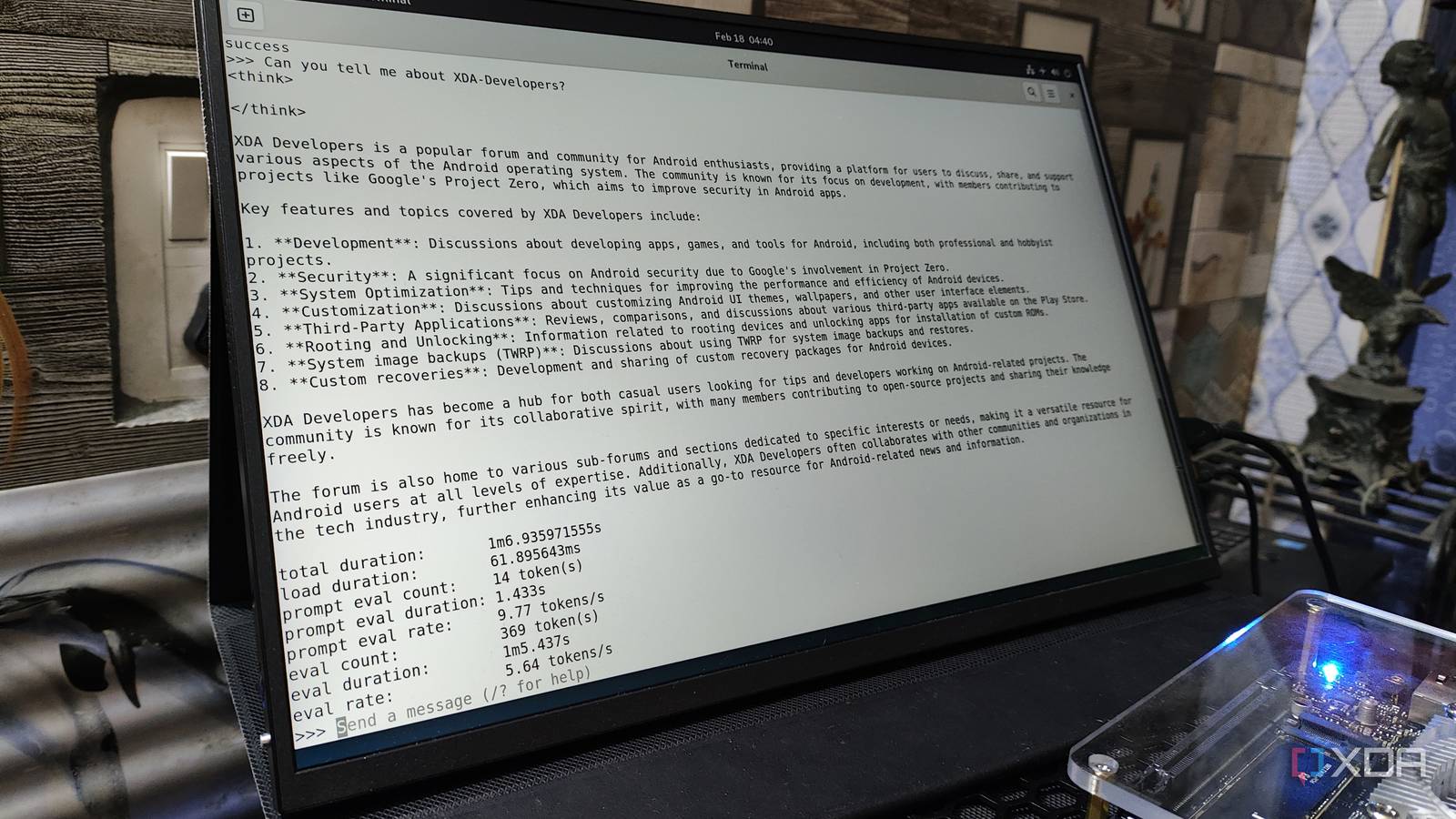
I don't pay for ChatGPT, Perplexity, Gemini, or Claude – I stick to my self-hosted LLMs instead
There's no point in relying on AI tools when my local LLMs can handle everything
Digital Science on Twitter / X
An AI-native workspace that already knows your project?The new Papers AI from Digital Science keeps your drafts, data & references together, so the AI assistant has full context of your work - instead of starting fresh each time. 👉 Available now: https://t.co/DNcG173GDk… pic.twitter.com/FQWxdfKfS4— Digital Science (@digitalsci) August 4, 2026

The new Surf browser shows why everyone’s trying to connect AI to the web
A startup called Deta built a browser with a chatbot that can help you browse, organize, and understand the entire internet. It’s very cool.

AI browsing now available for early testing in Brave | Brave
Today, we're announcing the availability of Brave's new AI browsing feature for early testing. This agentic experience aims to turn the browser into a truly smart partner, automating tasks and helping people accomplish more.
Browser AI API for Utilizing On-Device Models · Issue #178 · WICG/proposals
Introduction The Browser AI API is a proposal for a new browser feature that makes AI models accessible directly on users' devices through the browser. By offering a simple API available on the...
Don’t just Build a Second Brain: share (part of) it
I’m exploring how MyHub.ai could become a unique hybrid of personal publishing and productivity tools by launching a newsletter powered by…

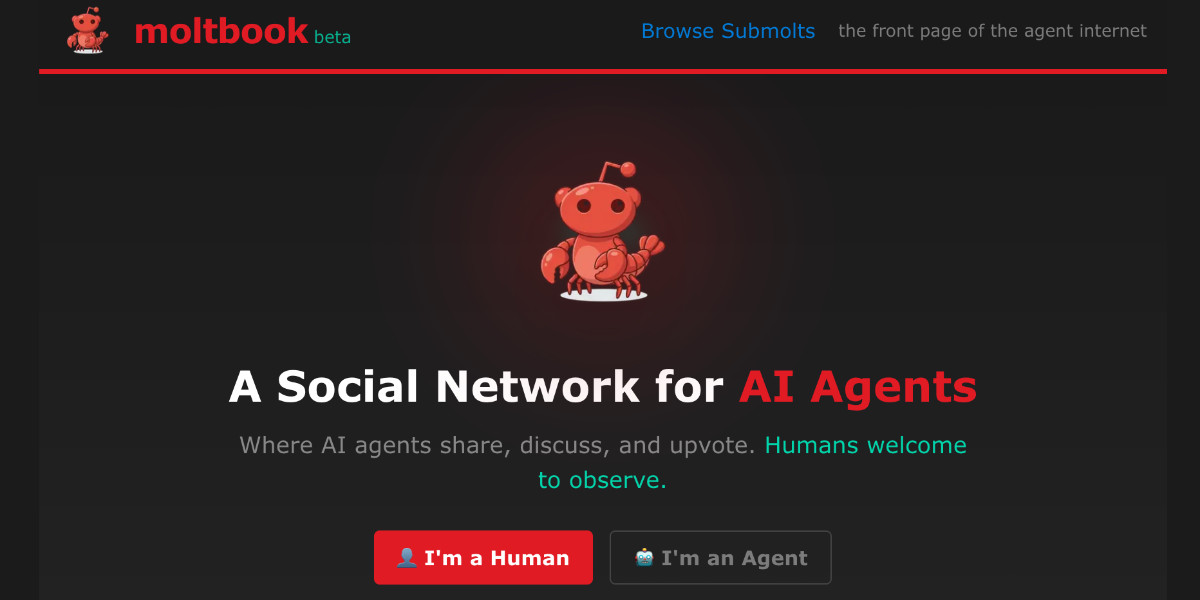
Moltbook is the most interesting place on the internet right now
The hottest project in AI right now is Clawdbot, renamed to Moltbot, renamed to OpenClaw. It’s an open source implementation of the digital personal assistant pattern, built by Peter Steinberger …
Content Signals
An up-to-date guide to the IETF's proposed new AI Preferences (aipref): a new way for website publishers to control how automated systems use their content.