

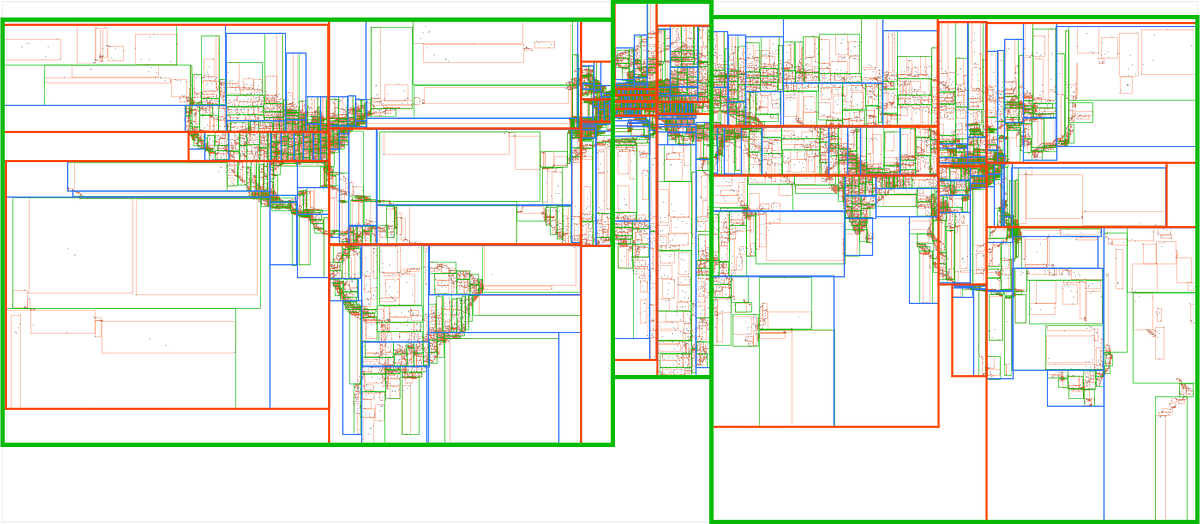
Searching through millions of points in an instant
The Glimmer — thefugue.space
A brief history of my attempts to bring Spatial Computing to the wider audience..

Rome2Rio: discover how to get anywhere
Discover how to get anywhere by searching plane, train, bus, car and ferry routes

Rome2Rio
Discover how to get anywhere by searching plane, train, bus, car and ferry routes

Worldbuilding with Spatial Intelligence
The next stage in the development of AIs is to give them spatial intelligence.

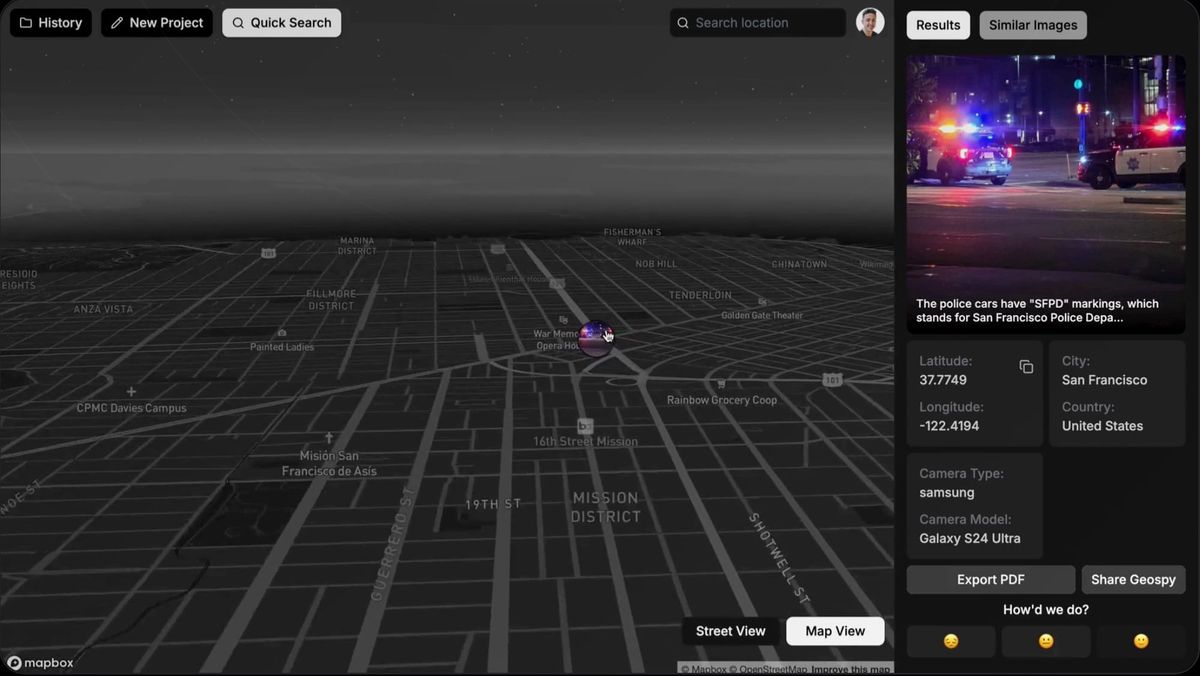
The Powerful AI Tool That Cops (or Stalkers) Can Use to Geolocate Photos in Seconds
For months members of the public have been using GeoSpy, a tool trained on millions of images that can find the location a photo was taken based on soil, architecture, and more. It's GeoGuesser at scale.
3Dassets.one - The asset search engine
Tips and Tricks for Bluesky Search - Bluesky
Let’s dive into all the tips and tricks for advanced Bluesky search!

GitHub - clarisma/geodesk: Fast and storage-efficient spatial database engine for OpenStreetMap data
Fast and storage-efficient spatial database engine for OpenStreetMap data - clarisma/geodesk
Spacedrive — A local-first data engine for everything you own
Index any data source. Search everything from one place. Keep it on your machine.

Index Network
You know that moment when you meet the right person and your next move clicks into place? That sense of magic? You shouldn't have to wait for luck. Index helps your others find you.

Index Network
You know that moment when you meet the right person and your next move clicks into place? That sense of magic? You shouldn't have to wait for luck. Index helps your others find you.

Spatial Data Science
Data science is concerned with finding answers to questions on the basis of available data, and communicating that effort. Besides showing the results, this communication involves sharing the data used, but also exposing the path that led to the answers in a comprehensive and reproducible way. It also acknowledges the fact that available data may not be sufficient to answer questions, and that any answers are conditional on the data collection or sampling protocols employed.

