


“If someone can imagine a world…they can create an experience.” – Reggie Watts This is the second video in our four part series aroun
Building Bold New Worlds With Virtual Reality | The Mozilla Blog
“I wanted people to feel the whole story with their bodies, not just with their minds. Once I discovered virtual reality was the place to do that, it
Are We Already Living in Virtual Reality?
A new technology—virtual embodiment—challenges our understanding of who and what we are.

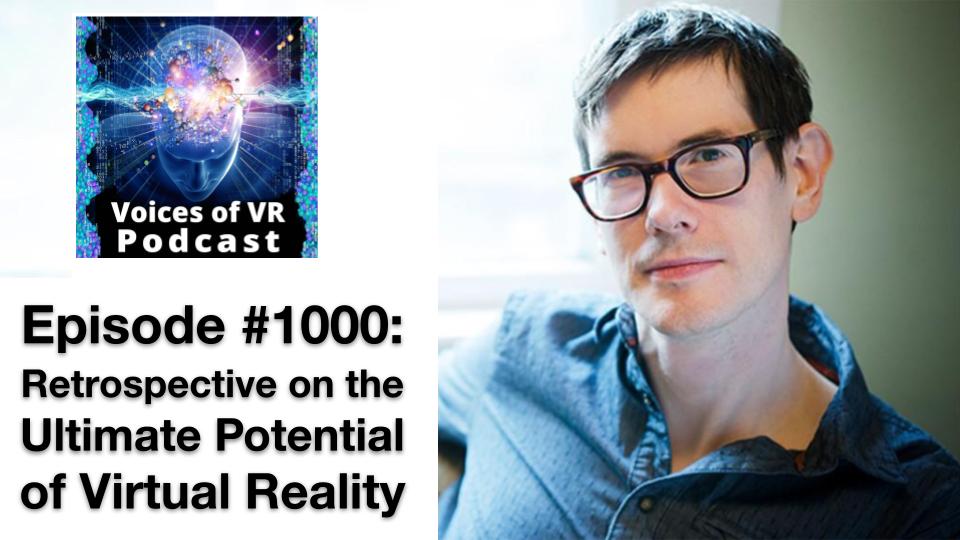
#1000: Voices of VR Retrospective on the Ultimate Potential of Virtual Reality - Voices of VR Podcast
Episode #1000 of the Voices of VR podcast is a special, three-hour retrospective featuring over 100 of the best answers I've received about the ultimate potential of VR over the past 7 years. I hope that it serves as a primer on the scope and breadth of different XR applications across many different contexts and domains of human experience as described by a diverse range of subject matter experts who are on the frontiers of innovation within spatial computing. The episode starts with describing the power of presence and immersion, and then elaborates on the underlying neuroscience foundations of perception and embodied cognition that explain why Extended Reality (XR) technologies like Virtual Reality (VR), Augmented Reality (AR), and Mixed Reality (MR) present unique affordances that go above and beyond what previous communication mediums can deliver. I believe XR represents a new computing paradigm that will be moving from flat 2D interfaces through windowed portals to volumetric experiences and worlds that are more embodied, immersive, participatory, social, and spatial.
What’s Missing from Virtual Reality? Immersive 3D Soundscapes
When you imagine virtual reality, chances are you’ve got visuals in mind. Or maybe you fantasize about a virtual sense of touch. Another key component? Immersive audio. Tom Simonite of...
HYPER-REALITY
Hyper-Reality presents a provocative and kaleidoscopic new vision of the future, where physical and virtual realities have merged, and the city is saturated in media. by Keiichi Matsuda | http://km.cx more at http://hyper-reality.co

Interface Realisms: The Interface as Aesthetic Form
Until now, digital arts have largely been understood to belong in traditional genres or forms of art: we are said to have electronic literature, net.art, or electronic, techno music. Sometimes interesting discussions have arisen concerning the very ontology of digital art, and questions such as whether net.art should be seen within the tradition of the visual arts or as a form of literature connecting it to the different traditions and questions regulating these arts.[1] While it is not my intent to disconnect digital art from traditional art, or to argue for the irrelevance of the traditional forms of art, I will in the following establish the interface as an aesthetic and critical framework for digital art.
AI Art Generators and the Online Image Market
Now that computer-generated imaging is accessible to anyone with a weird idea and an internet connection, the creation of “AI art” is raising questions—and lawsuits. The key questions seem to be 1)
A guide to Virtual Beings and how they impact our world | TechCrunch
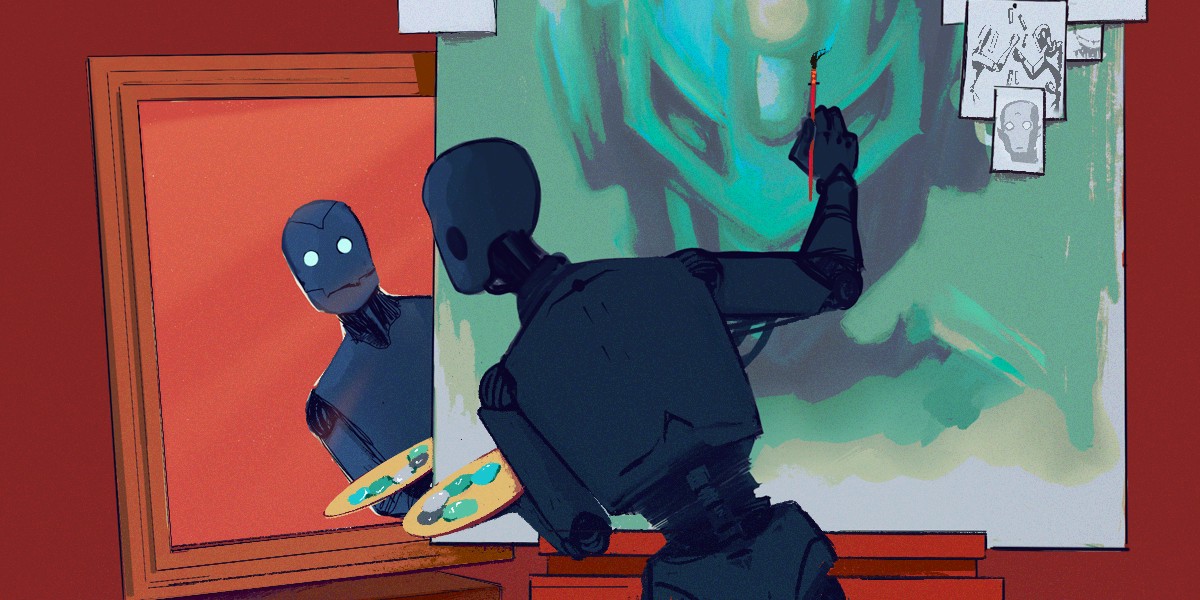
Money from big tech companies and top VC firms is flowing into the nascent “virtual beings” space. Mixing the opportunities presented by conversational


Linden Lab’s Project Sansar and the Future of Virtual Reality
Will this new take on Second Life bring about a renewed interest in the concept of virtual worlds?
Augmented Reality: a new creative canvas for brands
This year at Cannes Lions, we wanted to inspire the creative community to give AR a try.

Creating Magic Through Technology: Headset Prototyping for AR/VR

Weird Studies
Professor Phil Ford and writer J. F. Martel host a series of conversations on art and philosophy, dwelling on ideas that are hard to think and art that opens up rifts in what we are pleased to call "reality."

Urp: a luminous-tangible workbench for urban planning and design
In recent years, virtual reality technology has gradually attracted widespread attention from the society, because virtual reality technology could produce many scenes that humans cannot experience personally, such as diving into the deep sea or into ...

The Biggest Challenges Left In Virtual Reality, According To Oculus | TechCrunch
The second half of Facebook's keynote took an odd turn today at F8, spending a surprising amount of time looking at the unknowns of consciousness and visual illusions. But toward the end, Oculus Chief Scientist Michael Abrash spent a few minutes talking about the biggest opportunities for improvement in the virtual-reality experience: haptics, visuals, audio and tracking.
