


Part I in Anonym’s Rewiring the Rules Series First-party data — the kind users share willingly with brands they trust — is a marketer’s mos
A Duty of Loyalty for Privacy Law
Data privacy law fails to stop companies from engaging in self-serving, opportunistic behavior at the expense of those who trust them with their data. This is a

A couch-to-5K plan for digital governance
Mozilla has long championed more responsible use of data, with everything we do living up to the Mozilla Lean Data Practices. The question is: are there ways we can go further? Are there ways we can more actively engage with people around their data that builds trust -- and that helps the tech industry shift the way it thinks about and uses data? We explore these questions in this four part blog series.
Who Even Cares About Data Ownership Anyway? - What The Function!?
Taking a look at a concept that's been talked a lot over the last few years, especially in the context of social media
Who Even Cares About Data Ownership Anyway? - What The Function!?
Taking a look at a concept that's been talked a lot over the last few years, especially in the context of social media
Grindr and OKCupid Sell Your Data, but Twitter’s MoPub Is the Real
On January 15, a Norweigian Consumer Council (NCC) investigative report exposed the ways that Grindr, OKCupid, and eight other apps are collecting and sharing extremely sensitive personal data.
The world’s most valuable resource is no longer oil, but data
The data economy demands a new approach to antitrust rules

Why data ownership is the wrong approach to protecting privacy | Brookings
Cameron Kerry and John B. Morris argue that assigning property rights to consumer data would slow down the free flow of information online.
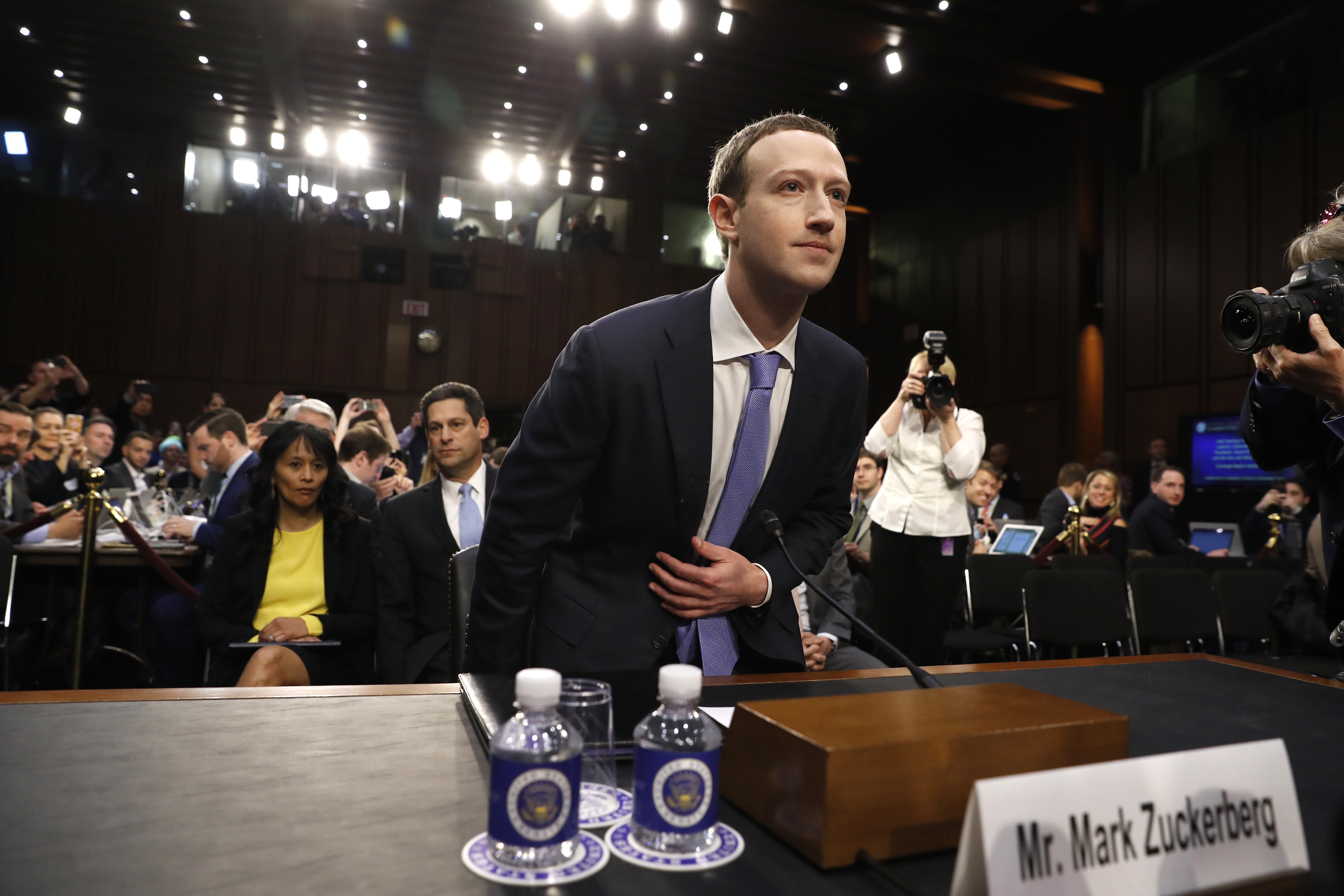
Facebook Data Privacy Scandal: A Cheat Sheet - TechRepublic
Read about the saga of Facebook's failures in ensuring privacy for user data, including how it relates to Cambridge Analytica, the GDPR, the Brexit campaign, and the 2016 US presidential election.
Your Data, Your Control
How data portability can unlock competition and empower consumers January 15, 2026 Copyright and permission to reproduce For information on the Competition Bureau's activities, please contact: Information Centre Competition Bureau 50 Victoria Street Gatineau QC K1A 0C9
Data Leeks: Made with love, leaked by hackers | The Mozilla Blog
Data breaches are on the rise. According to web security experts, the frequency of data breaches almost doubled from 2016 to 2017, and 73% of all U.S. comp

Opinion | The Dark Market for Personal Data (Published 2014)
Companies should disclose the information they sell about us.

Nonrivalry and the Economics of Data
(September 2020) - Data is nonrival: a person's location history, medical records, and driving data can be used by many firms simultaneously. Nonrivalry leads to increasing returns. As a result, there may be social gains to data being used broadly across firms, even in the presence of privacy considerations. Fearing creative destruction, firms may choose to hoard their data, leading to the inefficient use of nonrival data. Giving data property rights to consumers can generate allocations that are close to optimal. Consumers balance their concerns for privacy against the economic gains that come from selling data broadly.
'Anonymised' data can never be totally anonymous, says study
Findings say it is impossible for researchers to fully protect real identities in datasets

Why personal agency matters more than personal data
Lately a lot of thought, work and advocacy has been going into valuing personal data as a fungible commodity: one that can be made scarce, bought, sold, traded and so on. While there are good reasons to challenge whether or not data can be property (see Jefferson and Renieris), I want to focus on a different problem: the one…
How Data Can Be Used Against People: A Classification of Personal Data Misuses
Even after decades of intensive research and public debates, the topic of data privacy remains surrounded by confusion and misinformation. Many people still str
No one wants to own their data until the platform where their data lives enshittifies to the point of unusability and/or starts selling their data in ways they didn't expect. Like, 99% of ppl are here because Elon owns Twitter. I get why people don't care, but they tend to eventually every time.
