
Last week the Department of Justice and some state attorneys general filed revised proposed remedies in the U.S. v. Google LLC search case. If the proposed

Internet Health Report
With over two decades of global impact, Mozilla Foundation continues to lead the movement for a better technology future—powered by people, open by design, and fueled by imagination.

What the Verdict Against Meta and Google Says About the Way We Live Now
Serving as a signal of a taste in the courts and among the public to have tech companies bear some of the costs of harm that they have allegedly caused, the recent verdict against Meta and Google in California says a lot about the central anxieties of our time.

EFF to State AGs: Investigate Google's Broken Promise to Users
Google's Failure to Warn Users About Law Enforcement Demands for Data Is Deceptive

Verdicts against Meta and Google may bring a new era of big tech accountability
Advocates hope recent verdicts against social media platforms will build momentum for bigger changes in Silicon Valley.

The Case Against Google (Published 2018)
Critics say the search giant is squelching competition before it begins. Should the government step in?

Announcing Supporters of Chromium-based Browsers
Since Google announced the Chromium project in 2008, we have been excited to build on the great foundations of open-source web browsers and contribute to the continued d…

Exhibit Public Redacted Memorandum of Law – #1587, Att. #1 in The New York Times Company v. Microsoft Corporation (S.D.N.Y., 1:23-cv-11195) – CourtListener.com
LETTER addressed to Judge Sidney H. Stein from Davida Brook dated September 17, 2026 re: Public, Redacted Version of News' Plaintiffs' Memorandum of Law. Document filed by Daily News LP, The Center for Investigative Reporting, Inc., The Intercept Media, Inc., The New York Times Company, Ziff Davis, LLC. (Attachments: # 1 Exhibit Public Redacted Memorandum of Law)Filed In Associated Cases: 1:25-md-03143-SHS-OTW et al..(Brook, Davida) (Entered: 09/17/2026)

A Former Google Engineer Built a Search Engine for Finding Every Privacy Violation You Face Online
Former Google engineer Tim Libert is releasing a search engine, webXray, that aims to find illicit online data collection and tracking—with the goal of becoming “the Henry Ford of tech lawsuits.”

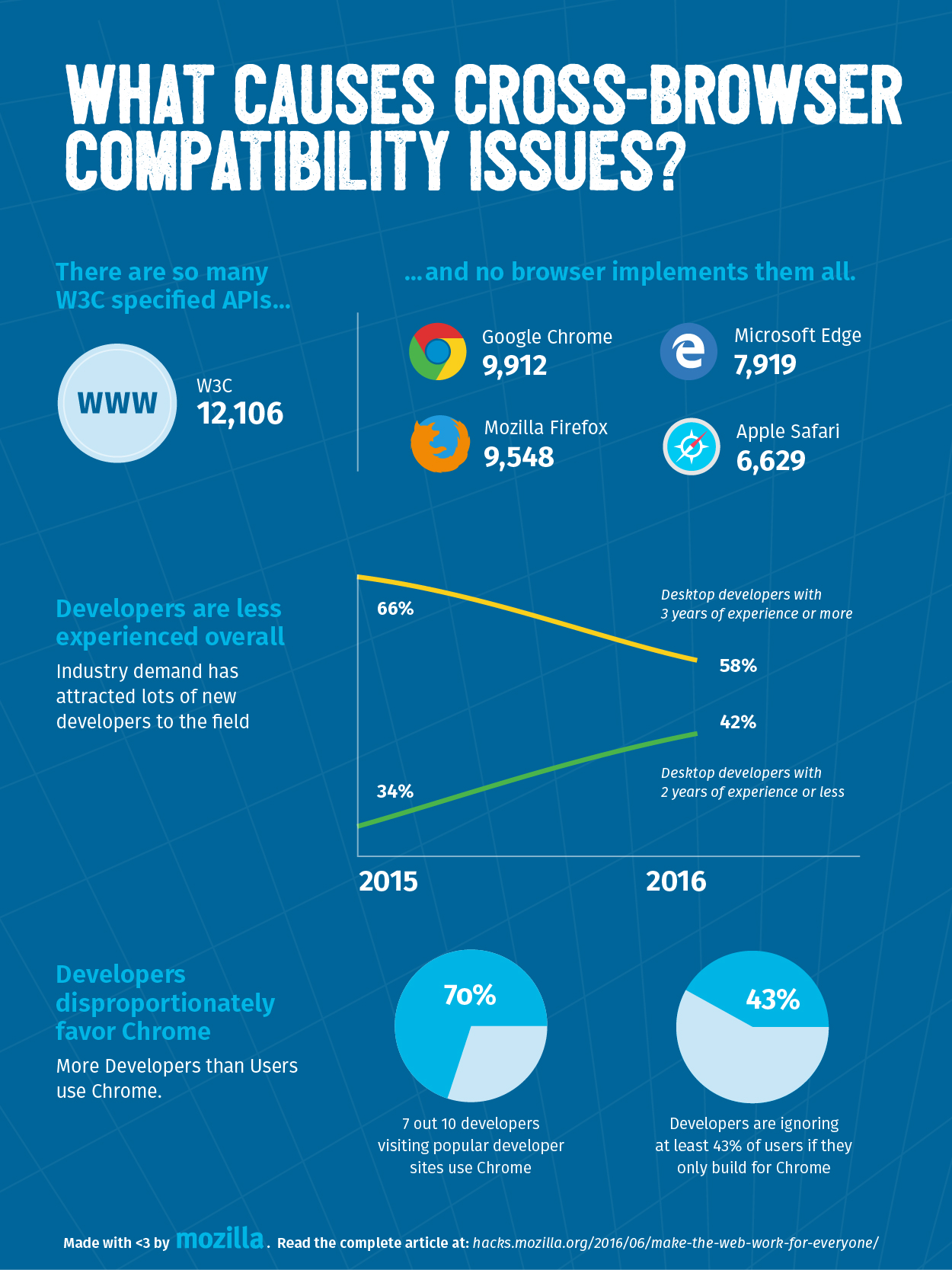
Make the Web Work For Everyone – Mozilla Hacks - the Web developer blog
Updated 2016/07/22: Commenters found a few data errors (thanks!) which have now been corrected. Millions of websites have compatibility problems on one or more of the major browsers, leading to ...
Reclaim the internet: Mozilla’s rebrand for the next era of tech | The Mozilla Blog
Mozilla isn’t just another tech company — we’re a global crew of activists, technologists and builders, all working to keep the internet free, op

De-google-ify Internet - Main Page
The web giants centralize our digital lives in exchange for their services The Free Software community offers alternative ethical services The Framasoft network intends to prove itby hosting them

Google Fights Back
At Google I/O, Google was the opposite of defensive: the company set out to make the case that its approach made for better products that makes people’s lives better

How One 1990s Browser Decision Created Big Tech’s Data Monopolies (And How We Might Finally Fix It) - Above the Law
From the take-back-control dept