

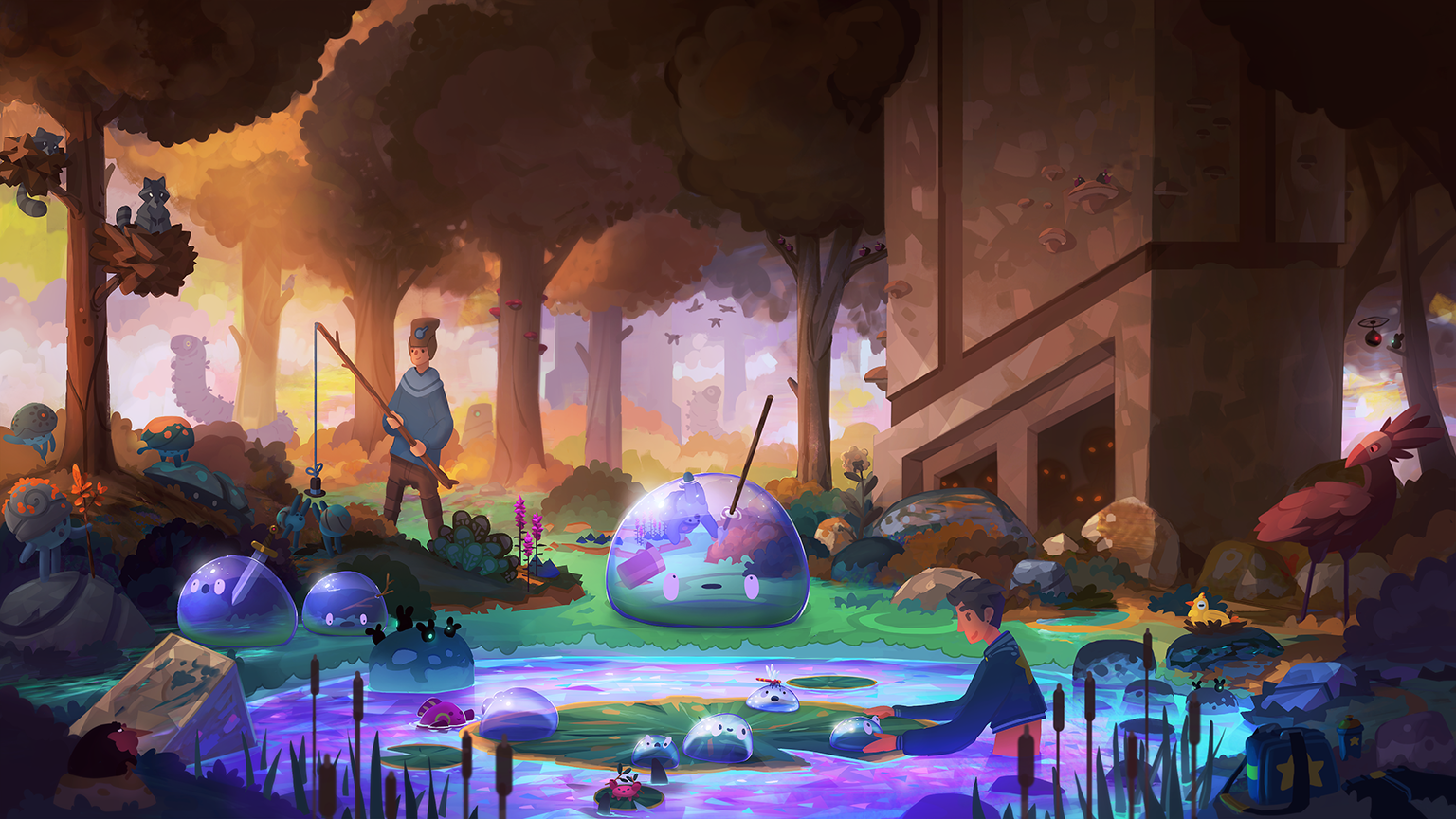
Group chat is fertile soil for low-stakes ideation. With tending, seeds of thought can grow into structured, evergreen knowledge.
The SAGE Community Coordinator: A Demonstration
Sustainable polyculture gardens thrive more effectively when they are designed with an awareness of other gardens in the community, as opposed to as individual gardens. However, the complex characteristics of plants, and their relations to other plant species in terms of needs and capacities, require a complex knowledge base not easily acquired by novice gardeners. We contribute a demonstration of our project, called the Software for Agricultural Ecosystems (SAGE) Community Coordinator, that helps manage the complexities of plant relationships and provides planting suggestions based on existing plants in adjacent garden sites. The research team collected the requirements and developed a preliminary demonstration of this system. This demonstration shows the feasibility of the idea and lays the foundation for a more comprehensive implementation of the SAGE Community Coordinator. By doing so, this paper explores the use of technology to foster the establishment of complex plant assemblages in urban and suburban areas to address the current and future limits of material resources derived from plants.
mata.garden
The garden is where we grow seeds of ideas. Either coming through a creative thought or a technological development we consider these live, multi-dimensional, interactive sketches or maquettes. It's important to have ideas that have no specific functional end but are there only to evolve and mutate into others. This is our place to do that.
Why Your Community Needs a Home, Not Just a Group Chat
We all crave connection. And when we want to bring people together, the easiest option is to spin up a group chat. But if you’ve ever tried turning a Slack, Discord, or WhatsApp group into a real community, you’ve seen the trade-off

Soil Assembly
Soil Assembly brings together diverse communities working across ecology, culture, agriculture, research, and collective practice. We invite practitioners, learners, and communities to contribute to a growing network rooted in living soil, regenerative thinking, and shared ecological futures.
Humans are social creatures. We crave bonding and social connections. In our digital world, our common social space is a campfire, which is the group chat.
Introducing Chatto
I'm building an Open Source group chat application that's simple to self-host, familiar to use, and easy to customize.
epistemic garden - mapping how ideas spread online
We're building tools to help communities understand their information landscape and protect against harmful coordinated narratives.
Chat is minimum-viable anything
Chat is the minimum-viable tool for online organizing. Without complete control over our means of communication, our ability to organize depends entirely on the goodwill of the very same hegemonic incumbents which we seek to surpass.


Group chats rule the world
Most of the interesting conversations in tech now happen in private group chats: Whatsapp, Telegram, Signal, small invite-only Discord groups. Being part of the right group chat can feel like having a peek at the kitchen of a restaurant but instead of food, messy ideas and gossip fly about in real time, get mixed, remixed, discarded, polished before they show up in a prepared fashion in public.
'Nature' Retracts Paper on the Benefits of ChatGPT in Education
“What educators, parents and policy officials really needed was high quality data and evidence to help guide them. What they have had to deal with instead is some substandard research.”

