

Data Ownership as a conversation changes when data resides primarily with people-governed institutions rather than corporations.
Who Even Cares About Data Ownership Anyway? - What The Function!?
Taking a look at a concept that's been talked a lot over the last few years, especially in the context of social media
Who Even Cares About Data Ownership Anyway? - What The Function!?
Taking a look at a concept that's been talked a lot over the last few years, especially in the context of social media
MyData
The human-centric approach to data is aimed at a fair, sustainable, and prosperous digital society. In such a society, people get value from their data and set the agenda on how it is used. And for organisations, the ethical use of data is always the most attractive option.

Who owns your data?
A Supreme Court case about a bank robbery could redefine your digital rights.
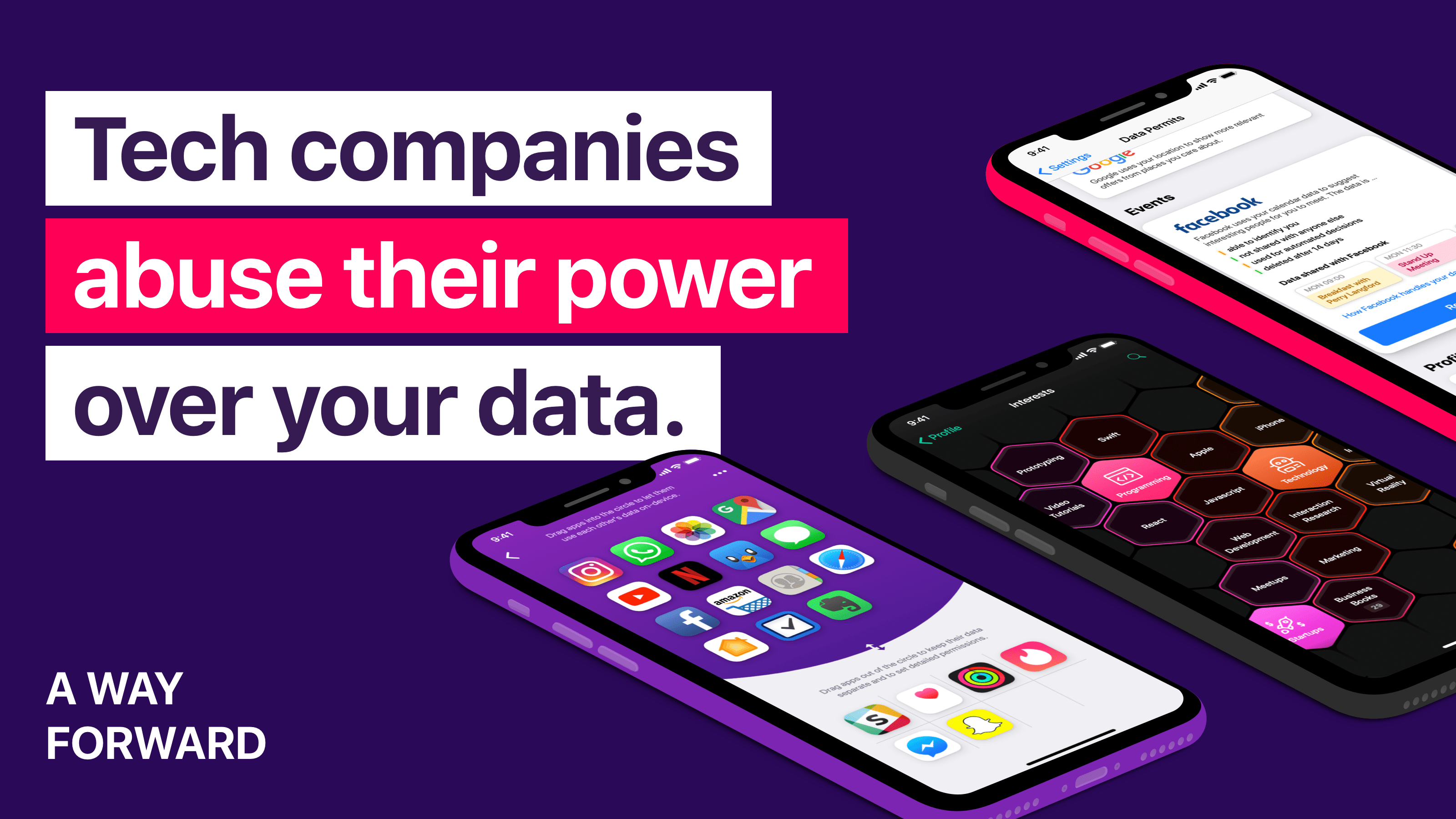
Rethinking how technology uses our personal data
This essay explores visually how keeping data and AI on‑device could empower not only users, but also companies.
Reclaiming the Smart City: Personal Data, Trust and the New Commons
Why and how city governments are taking a more responsible approach to the collection and use of personal data.

Nonrivalry and the Economics of Data
(September 2020) - Data is nonrival: a person's location history, medical records, and driving data can be used by many firms simultaneously. Nonrivalry leads to increasing returns. As a result, there may be social gains to data being used broadly across firms, even in the presence of privacy considerations. Fearing creative destruction, firms may choose to hoard their data, leading to the inefficient use of nonrival data. Giving data property rights to consumers can generate allocations that are close to optimal. Consumers balance their concerns for privacy against the economic gains that come from selling data broadly.
Local-first software: You own your data, in spite of the cloud
A new generation of collaborative software that allows users to retain ownership of their data.
Local-first software: You own your data, in spite of the cloud
A new generation of collaborative software that allows users to retain ownership of their data.
Local-first software: You own your data, in spite of the cloud
A new generation of collaborative software that allows users to retain ownership of their data.
Local-first software: You own your data, in spite of the cloud
A new generation of collaborative software that allows users to retain ownership of their data.
Social Network User Data Storage
Social Network User Data Storage
Aye > Data Ownership as a conversation changes when data resides primarily with people (..). > Instead of arguing for what kinds of data we ought to be able to download from the corporate silos, the platforms should be asking us what kinds of data they may copy from *our* servers.

Erlend Sogge Heggen
The web can be made personal again. blog.muni.town/personal-data-storage-idea/
No one wants to own their data until the platform where their data lives enshittifies to the point of unusability and/or starts selling their data in ways they didn't expect. Like, 99% of ppl are here because Elon owns Twitter. I get why people don't care, but they tend to eventually every time.

