

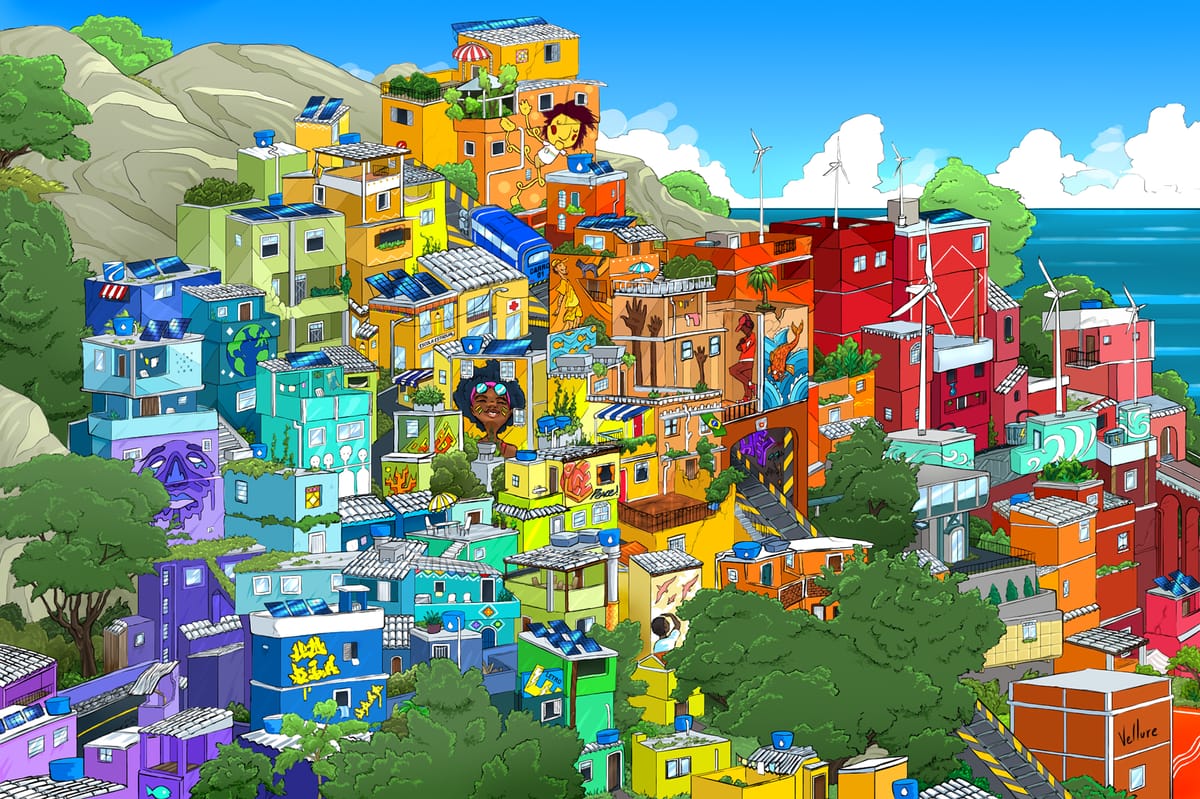
The end-of-the-world already happened, it's just not evenly distributed. But with every end is a new beginning.
Humanity’s Endgame
A new history of societal collapse by an expert in existential risk argues that our globalized society is edging toward the precipice.

Grow like Trees: An Organic Approach to Societal Regrowth
2026 is the year that system breakdown became impossible to deny. Democratic norms, societal norms, rule of law, the fabric of the social contract tearing as we watch. Or hide, unwilling or unable to face the unravelling. The hopeful among us see opportunity through the dark. Tentatively or boldly we

‘Self-termination is most likely’: the history and future of societal collapse
An epic analysis of 5,000 years of civilisation argues that a global collapse is coming unless inequality is vanquished

The Joy of Becoming Worthless…except to each other — Douglas Rushkoff
My last piece, The Intentional Collapse, seems to have agitated a few people. I know it came off a bit dark. I talked about how the Uber wealthy believe the world as we know it is ending and that there won’t be enough essential resources to go around, so they need to take control of as much money and stuff and land as possible in order to position themselves for the end of days.
Open Villages - Community-run social networks: rest of the world
The Gargantuan Lie That is Collapsing The World’s Climate
Thinking we have time left to address climate change, or that “Net Zero by 2050” will save us, is driving us toward full social collapse in ways that become more obvious with every new broken temperature record.
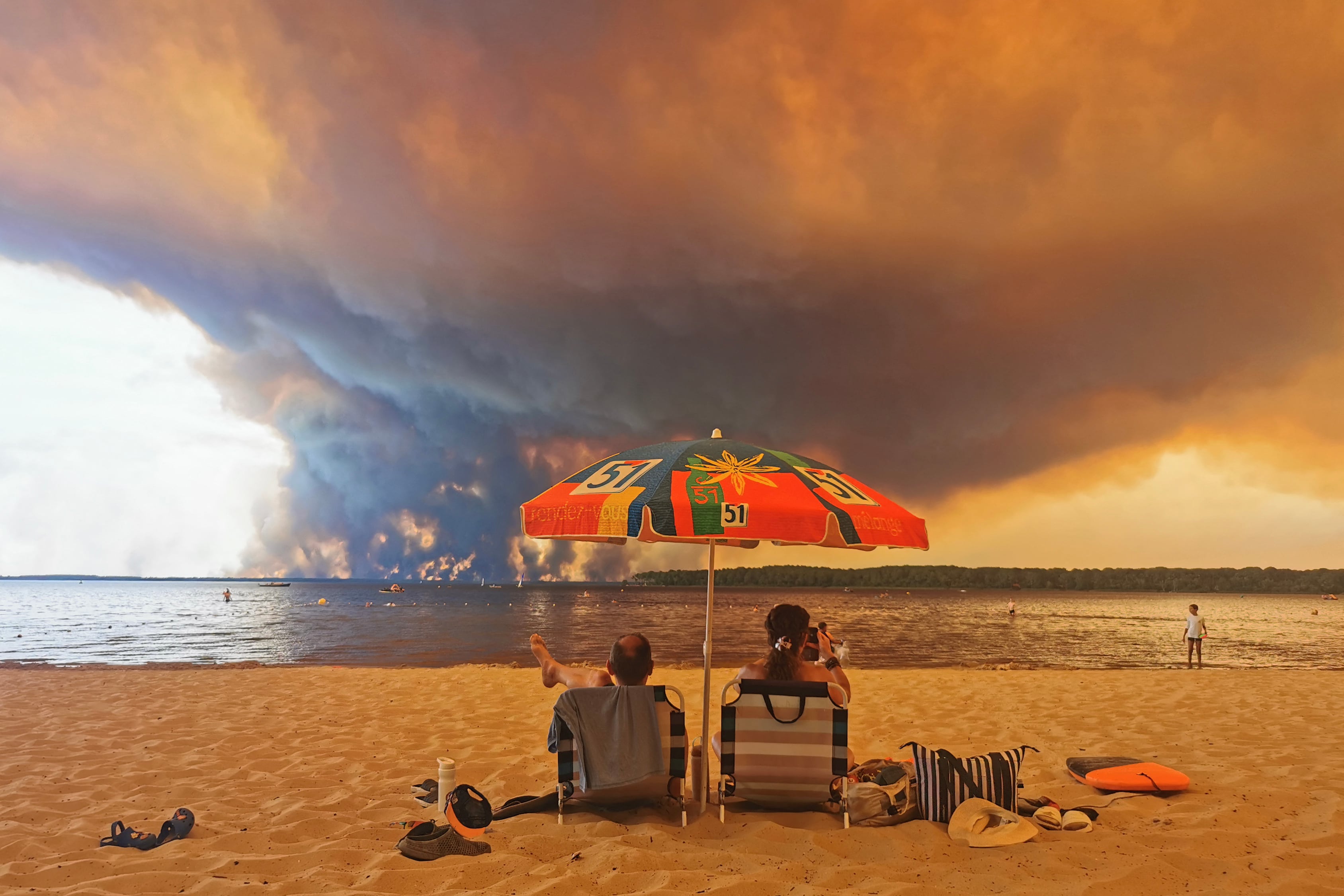

The Fifth Cycle of Humanity
The Return of the Cutting-Off Way
Structural changes are driving us towards a more chaotic world, defined by "neither peace nor war, but conflict."
The Intelligence Curse
This series examines the incoming crisis of human irrelevance and provides a map towards a future where people remain the masters of their destiny.
Like start-ups, most intentional communities fail – why? | Aeon Essays
Most utopian communities are, like most start-ups, short-lived. What makes the difference between failure and success?
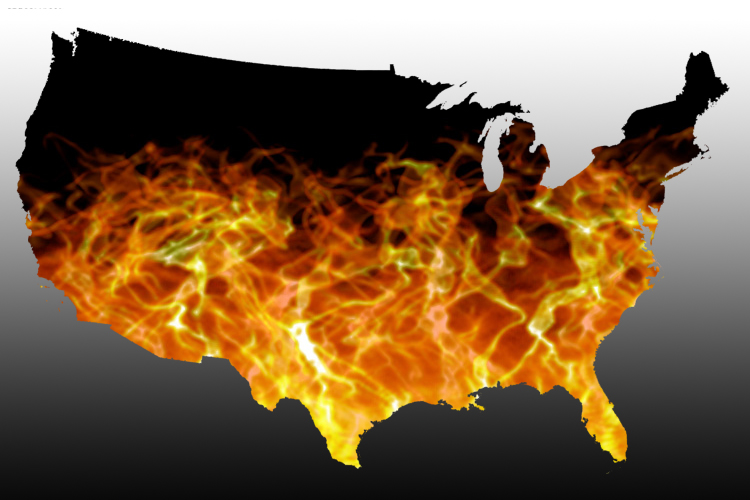
How America will collapse (by 2025)
Four scenarios that could spell the end of the United States as we know it -- in the very near future
A fact-based worldview for all | Gapminder
We live in a globalized world, not only in terms of trade and migration. More people than ever care about global development. But most people have severe misconceptions about contemporary global development. We know, because we have tested people’s knowledge. One of the main reasons for this is that students don’t learn to understand the world based on statistics and facts. Instead, we have a dramatic worldview formed by outdated school books and sensationalist news-stories. People intuitively believe that most things are getting worse. The dramatic worldview leads to irrational decisions by individuals, nonprofits, governments and business. For the first time in human history reliable statistics exist. There’s data for almost every aspect of global development. The data shows a very different picture: a world where most things improve; a world that is not divided; and a world where the fast population growth will soon be over. The world has never been less bad. But that doesn’t mean it’s perfect.
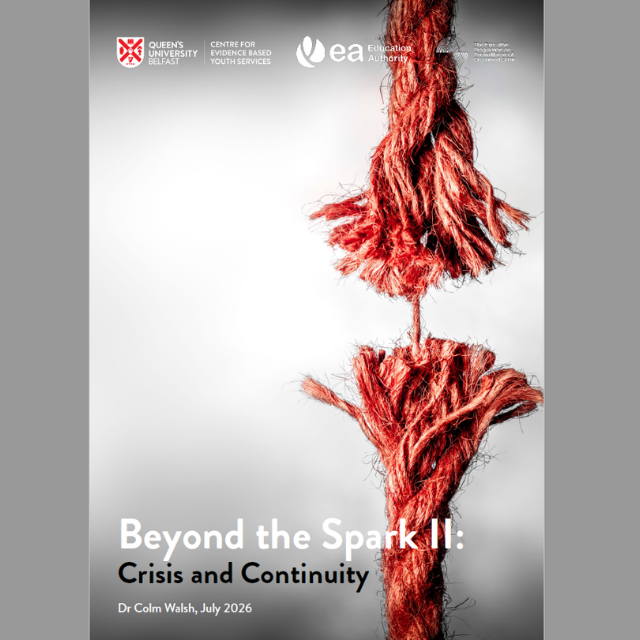
Beyond the Spark II: Crisis and Continuity - Ending The Harm
Beyond the Spark II: Crisis and Continuity is a new report by Dr Colm Walsh (Queen’s University Belfast), examining the conditions that contributed to the Ballymena riots of June 2025 and the lessons for preventing future episodes of collective violence. Building on the original Beyond the Spark research, the study explores the experiences of young people […]
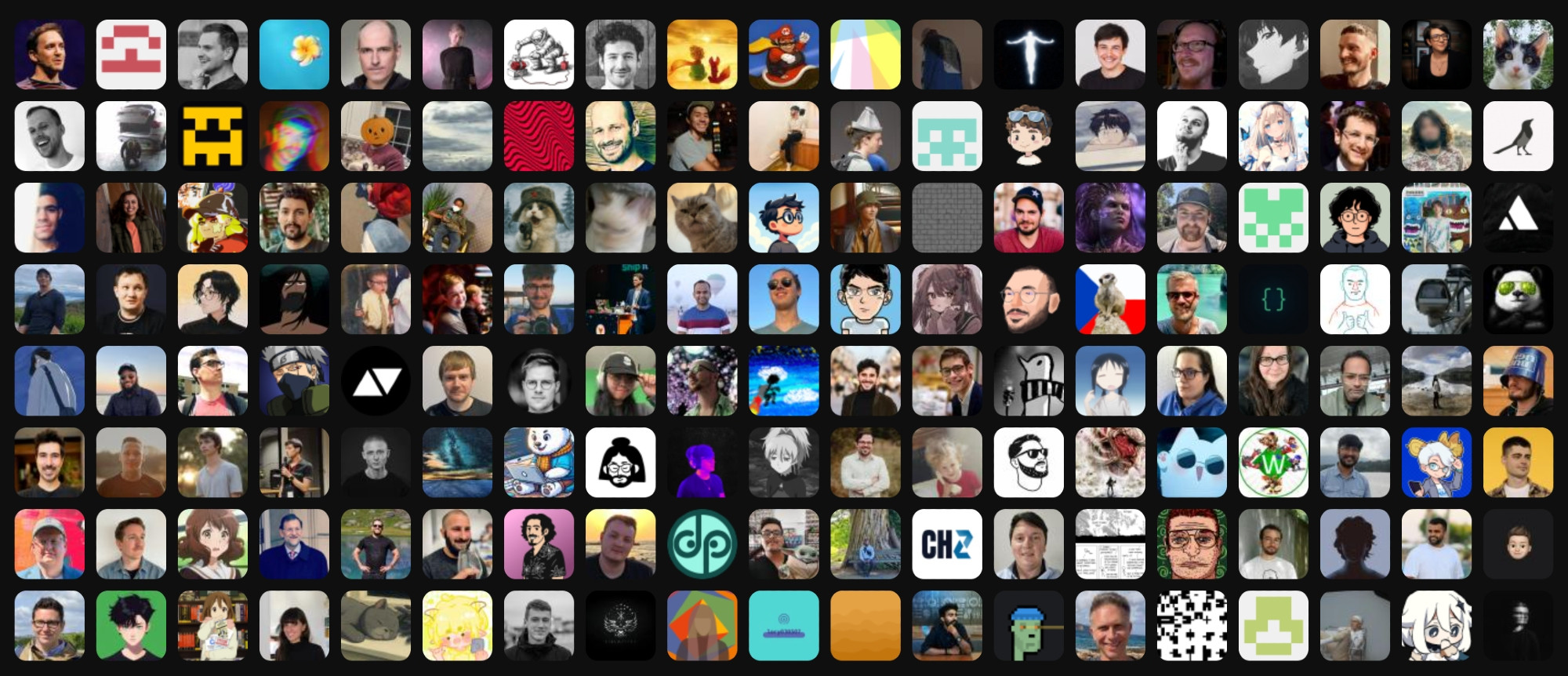
npmx: converging communities
The story of the many people and communities that converged to build npmx together
Interdependent Thoughts – by Ton Zijlstra
Still, many questions have global aspects. Our information networks, our trade routes, our dependencies are truly global. Because of it many of our issues, including climate emergencies, are global in both their roots and consequences. We all suffer from small earth syndrome these days, as I phrased it in 2010 at the SHiFT Conference, where everything anyone of us does reverberates around the world because we are continuously bumping into real global limits, Club of Rome style.