


One of the most useful, but often misunderstood and misconfigured, features of NGINX is rate limiting. It allows you to limit the amount of HTTP requests a user can make in a given period of time. A request can be as simple as a GET request for the homepage of a website or a POST request on a log‑in form.
Rate limit reached
You've reached the limit for the number of requests that can be made in a short period of time. Please wait a moment and try again. If you believe this message was shown in error or need assistance, please contact us at Aitratelimit@archive.org
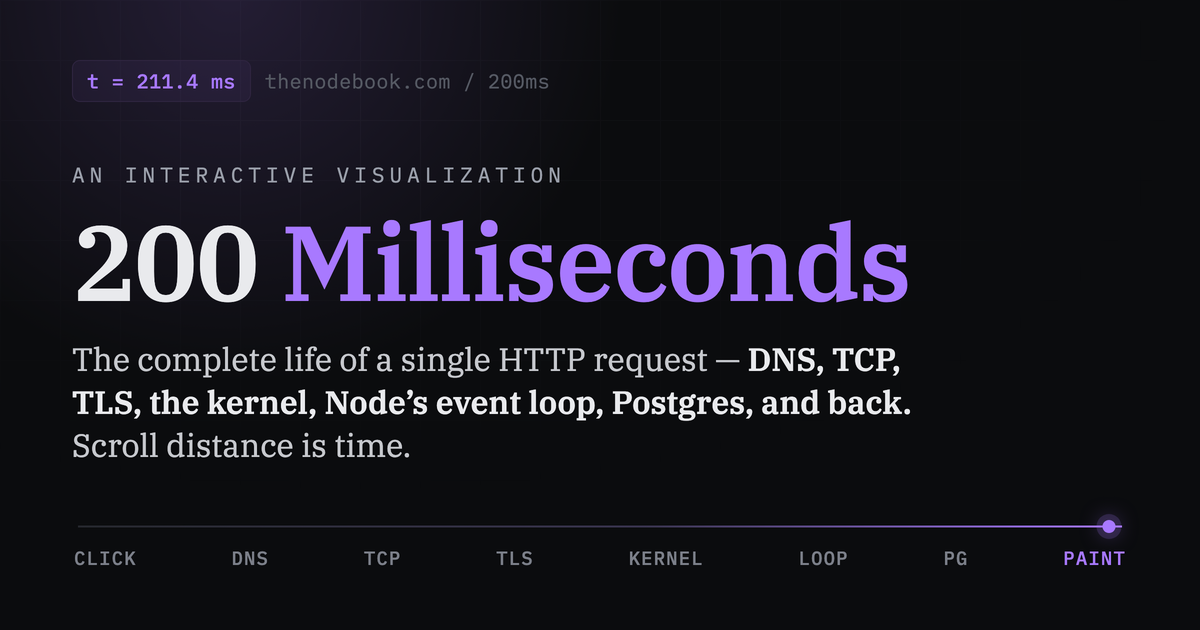
200 Milliseconds — the complete life of one HTTP request, visualized
A single HTTP request, traced in real time through DNS, TCP, TLS, the kernel, Node's event loop, and Postgres — then back to the pixel. Scroll distance equals time.
CertSimple | An nginx config for 2017
With HTTP/2 in every browser, load balancing with automatic failover, IPv6, a sorry page, separate blog server, HTML5 SSE and A+ HTTPS.
API Error: Server is temporarily limiting requests (not your usage limit) · Rate limited
19 votes, 14 comments. Carefully prepared and ran a task to have it running overnight and instead of seeing it in the morning completed, I see "API…
Configurable Per-Query Data Minimization for Privacy-Compliant Web APIs
The purpose of regulatory data minimization obligations is to limit personal data to the absolute minimum necessary for a given context. Beyond the initial data collection, storage, and...

Run Workers for up to 5 minutes of CPU-time
Workers now support up to 5 minutes of CPU time per request. Allowing more CPU-intensive workloads.

Building a simple load balancer in Go
Load balancers are crucial in modern software development. If you've ever wondered how requests are...

Pricing
See exactly what you pay. No hidden fees, no traffic limits on fair usage. Flexible plans that scale with your business. Check rates »

Reorganizing Website Architecture for HTTP/2 and Beyond
This document discusses reorganizing website architecture for HTTP/2 and beyond. It summarizes some issues with HTTP/2 including errors in prioritization where some browsers fail to specify resource priority properly. It also discusses the problem of TCP head-of-line blocking where pending data in TCP buffers can delay higher priority resources. The document proposes solutions to these issues such as prioritizing resources on the server-side and writing only what can be sent immediately to avoid buffer blocking. It also examines the mixed success of HTTP/2 push and argues the server should not push already cached resources. - Download as a PDF or view online for free

HTTP Requests | Grafana k6 documentation
Define the HTTP requests and methods you want to use. k6 adds tags to the requests, making it easier to filter results. You can customize tags as you wish.
Forget about Nginx, I switched to this reverse proxy and it's even better
Traefik is perfect for containerized home labs.

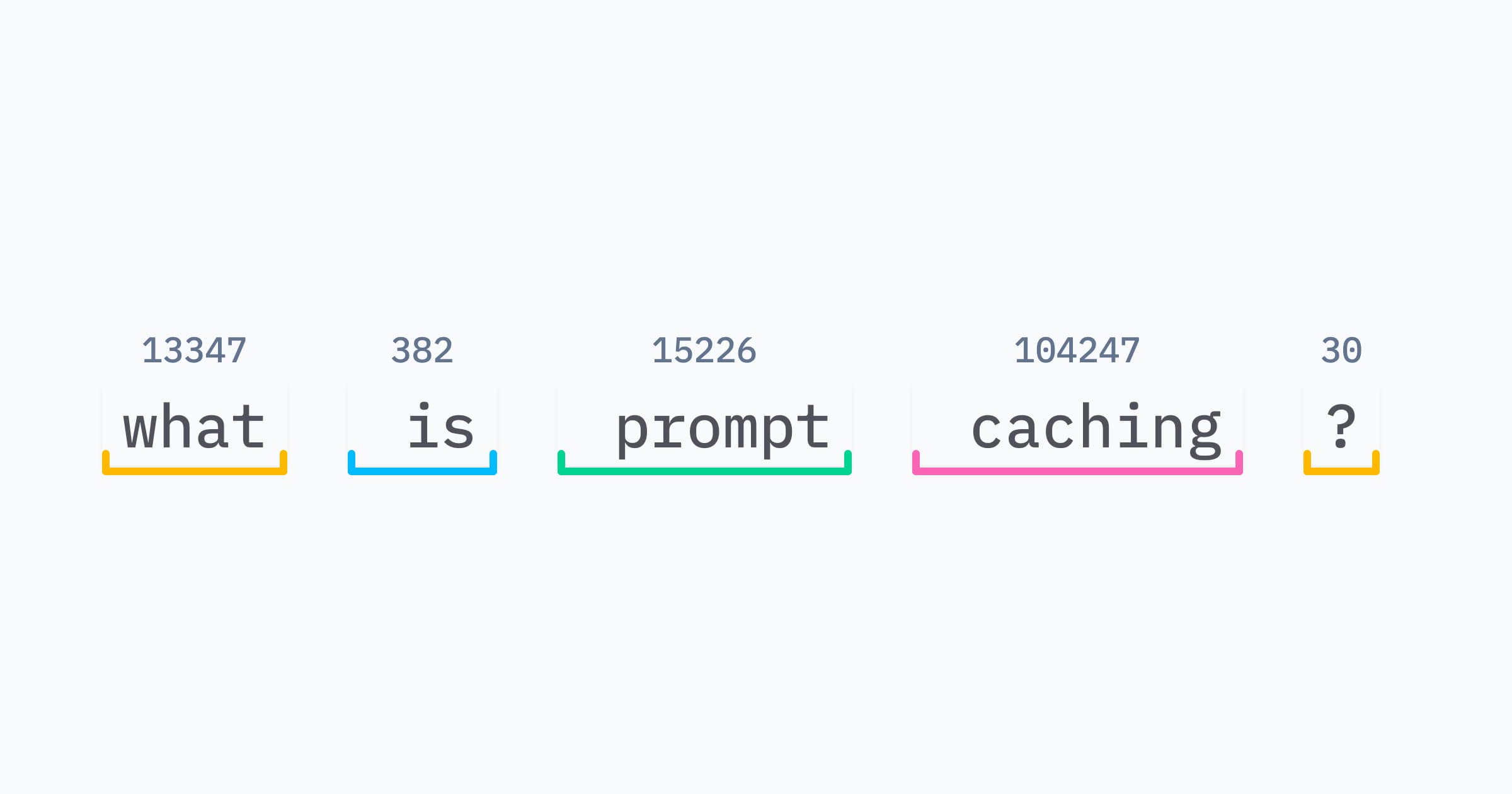
Prompt caching: 10x cheaper LLM tokens, but how? | ngrok blog
A far more detailed explanation of prompt caching than anyone asked for: how tokens, embeddings, and attention make cached LLM tokens 10x cheaper and faster.
@dholms.at can we fix that? iirc the rate limit headers RFC allows them on all responses? (Though obviously caching GET at CDN might skew things)

alice
i love services that are rate limited but also do not publish their rate limits in headers i'm looking at you plc.directory
About X limits help.x.com/en/rules-and-policies/x-limit… “50 original posts and 200 replies per day for unverified accounts.” (The “2,400 updates per day” in the third screenshot is apparently the old limit)

小嶋裕一 Yuichi KOJIMA
>記事執筆時点で日本語版には掲載されていないが、英語版に新たに追加された記述が話題を呼んでいる。 具体的には「未認証アカウントが行える1日あたりの通常ポストが50件、リプライが200件に制限される」というものだ。以前は「1日あたり2400件の上限がある」と記載されていた部分があり、これが変更されている news.denfaminicogamer.jp/news/260517b
About X limits help.x.com/en/rules-and-policies/x-limit… “50 original posts and 200 replies per day for unverified accounts.” (The “2,400 updates per day” in the third screenshot is apparently the old limit)
小嶋裕一 Yuichi KOJIMA
>記事執筆時点で日本語版には掲載されていないが、英語版に新たに追加された記述が話題を呼んでいる。 具体的には「未認証アカウントが行える1日あたりの通常ポストが50件、リプライが200件に制限される」というものだ。以前は「1日あたり2400件の上限がある」と記載されていた部分があり、これが変更されている news.denfaminicogamer.jp/news/260517b


