

One year ago, Bluesky Social PBC announced their intention to facilitate the creation of an independent organization to operate the Public Ledger of Credenti…
Creating an Independent Public Ledger of Credentials (PLC) Directory Organization - AT Protocol
As the next step of maturing governance of the PLC identity system, Bluesky Social PBC is supporting the creation of an independent organization to operate the PLC directory.

PLC Organization
The PLC Organization is a small Swiss Association ("Verein") which provides open network identifier infrastructure. It serves as a neutral steward for the Public Ledger of Credentials (PLC) system, which provides persistent identifiers to over 40 million accounts in the atproto social web ecosystem.
PLC Organization
The PLC Organization is a small Swiss Association ("Verein") which provides open network identifier infrastructure. It serves as a neutral steward for the Public Ledger of Credentials (PLC) system, which provides persistent identifiers to over 40 million accounts in the atproto social web ecosystem.
did-method-plc/did-method-plc
Public Ledger of Credentials: a cryptographic, strongly-consistent, and recoverable DID method
did:plc Directory
PLC is a persistent global identifier system, which allows accounts to retain relationships while changing names or migrating between service providers. It makes use of cryptography and gives individuals (or organizations) direct control and ownership over their identitifier, but does not make use of any blockchain or cryptocurrency technology, and is inexpensive enough to provide as a no-cost service.
did:plc Directory
PLC is a persistent global identifier system, which allows accounts to retain relationships while changing names or migrating between service providers. It makes use of cryptography and gives individuals (or organizations) direct control and ownership over their identitifier, but does not make use of any blockchain or cryptocurrency technology, and is inexpensive enough to provide as a no-cost service.
The voice for philanthropy working together | PFC
We are Canada’s national philanthropic network for grantmakers, working towards a more just, equitable and sustainable world.

Exploring Identities in the AT Protocol via Bluesky
The AT Protocol is an open, decentralized network for building social applications. Bluesky, a relatively new social network, is built on top of the AT Protocol. It recently piqued my interest as I came across this fascinating research paper Bluesky and the AT Protocol: Usable Decentralized Social Media. In this post, we’ll dive into one of the key elements of the AT Protocol: identities. We will start with Bluesky user handles, explore additional information about them, and see what else we can discover. DID Resolution A handle in Bluesky is associated with a DID, which can be resolved using DNS or HTTPS. decentralized identifier (DID) A globally unique persistent identifier that does not require a centralized registration authority and is often generated and/or registered cryptographically. […] Many—but not all—DID methods make use of distributed ledger technology (DLT) or some other form of decentralized network. From Decentralized Identifiers (DIDs) v1.0 The DID for @jay.bsky.team can be resolved via a DNS record. Example with dig: > dig _atproto.jay.bsky.team TXT [...] _atproto.jay.bsky.team. 14400 IN TXT "did=did:plc:oky5czdrnfjpqslsw2a5iclo" If you don’t have dig installed, try an online tool like nslookup.io. If no DNS TXT entry exists, the handle may resolve to a DID through a well-known HTTPS endpoint. Let’s take the example of @jamesgunn.bsky.social: > curl https://jamesgunn.bsky.social/.well-known/atproto-did did:plc:lotavzt36yanhfy3j3gpysyj If you don’t have curl installed, you can just open the link in your browser https://jamesgunn.bsky.social/.well-known/atproto-did. PLC Once you have a DID, examine the part after the first colon. This is known as the method. The above two examples use plc, which stands for Public Ledger of Credentials. These PLC DIDs can be looked up in the PLC directory at plc.directory. The AT Protocol also supports the web method, though we focus on plc here. We can use curl again to get more information about a DID. Let’s take @jay.bsky.team’s DID as example. > curl https://plc.directory/did:plc:oky5czdrnfjpqslsw2a5iclo/log | jq [ { "sig": "KuN3A61golVNSDU71wZKLP9lVuXk6YekJAz1lwDzrPsNTEWHBBW_8zSyV6pDxV4KiYXuAXlS1Ik47XkjQZ94mA", "prev": null, "type": "create", "handle": "jay.bsky.social", "service": "https://bsky.social", "signingKey": "did:key:zQ3shP5TBe1sQfSttXty15FAEHV1DZgcxRZNxvEWnPfLFwLxJ", "recoveryKey": "did:key:zQ3shhCGUqDKjStzuDxPkTxN6ujddP4RkEKJJouJGRRkaLGbg" }, { "sig": "TY3ot8yFF-0LL8ceoRwSGaNQj0F1aj-IApYXRGT21G1fnznKHUHT1QE7c1aTrYd9PQLVvXUGag6CZ9EEeIKqgA", "prev": "bafyreidswhiwi4ljkl4es4vwqhkas3spmmktortqbp6lkrb5v7qqdfr3mm", "type": "plc_operation", "services": { "atproto_pds": { "type": "AtprotoPersonalDataServer", "endpoint": "https://bsky.social" } }, "alsoKnownAs": [ "at://jay.bsky.social" ], "rotationKeys": [ "did:key:zQ3shhCGUqDKjStzuDxPkTxN6ujddP4RkEKJJouJGRRkaLGbg", "did:key:zQ3shpKnbdPx3g3CmPf5cRVTPe1HtSwVn5ish3wSnDPQCbLJK" ], "verificationMethods": { "atproto": "did:key:zQ3shXjHeiBuRCKmM36cuYnm7YEMzhGnCmCyW92sRJ9pribSF" } }, { "sig": "WmQmobHA6abtu8xIkBSrDkkoMNjOxP1Tl_1zl1DbIZlA9kjOyxjX-J1rzwWVy3stdzMowpBeBnedkAug84n_RQ", "prev": "bafyreicgb25yf5fro22oyhtkbgerzr4nume4sx757r525skxdzpeoeseha", "type": "plc_operation", "services": { "atproto_pds": { "type": "AtprotoPersonalDataServer", "endpoint": "https://bsky.social" } }, "alsoKnownAs": [ "at://jay.bsky.team" ], "rotationKeys": [ "did:key:zQ3shhCGUqDKjStzuDxPkTxN6ujddP4RkEKJJouJGRRkaLGbg", "did:key:zQ3shpKnbdPx3g3CmPf5cRVTPe1HtSwVn5ish3wSnDPQCbLJK" ], "verificationMethods": { "atproto": "did:key:zQ3shXjHeiBuRCKmM36cuYnm7YEMzhGnCmCyW92sRJ9pribSF" } }, { "sig": "dhstt4uPua8OVs8TVzHTqtCnNMsBDN7kjxIBmTIYBDRkknrtprBJ_AISXFoBZyqfoxq2altp-vlRAPEKSh5zeg", "prev": "bafyreihmf7dapx27fexc7jwj4cdpbxcmhnnwo3x5vrpvbr6lclzj7gpsmi", "type": "plc_operation", "services": { "atproto_pds": { "type": "AtprotoPersonalDataServer", "endpoint": "https://morel.us-east.host.bsky.network" } }, "alsoKnownAs": [ "at://jay.bsky.team" ], "rotationKeys": [ "did:key:zQ3shhCGUqDKjStzuDxPkTxN6ujddP4RkEKJJouJGRRkaLGbg", "did:key:zQ3shpKnbdPx3g3CmPf5cRVTPe1HtSwVn5ish3wSnDPQCbLJK" ], "verificationMethods": { "atproto": "did:key:zQ3shtJpFGgEG3tv3ERKvjo7VHbjDPVyvjYvW7gpie49rtNtc" } } ] Again, feel free to click on it instead, https://plc.directory/did:plc:oky5czdrnfjpqslsw2a5iclo/log. This returns a list of all operations that were performed on this DID. The first entry is the genesis operation — the one that created the DID. It is the only one where prev (previous entry) is null, because it is the first one. Note that the first entry of this DID’s log has a different format. This entry uses the legacy format. Currently, newly created DIDs use the new format (subsequent records), but @jay.bsky.team has been around for a while (the account belongs to Bluesky’s CEO). If you look through the logs you will notice a couple of changes that were made to her identity over time: the handle was changed from jay.bsky.social to jay.bsky.team (note that the legacy format used handle whereas the new format uses alsoKnownAs) the handle now includes at:// the personal data server changed from https://bsky.social to https://morel.us-east.host.bsky.network Signatures Each entry in the log includes a sig field, which contains the signature. This cryptographic signature is derived from the other fields in the entry. For the genesis operation, the rotationKeys (or signingKey for legacy) field contains the public key(s) of the key pair(s) with which the entry was signed. Subsequent operations need to be signed with the key from the previous entry. Additionally, the prev field references the previous entry. Creating a DID The identifier in the DID, which is the last part of the colon-separated string, is constructed from the genesis operation. For @jay.bsky.team: the identifier is oky5czdrnfjpqslsw2a5iclo the genesis operation is this JSON document: { "sig": "KuN3A61golVNSDU71wZKLP9lVuXk6YekJAz1lwDzrPsNTEWHBBW_8zSyV6pDxV4KiYXuAXlS1Ik47XkjQZ94mA", "prev": null, "type": "create", "handle": "jay.bsky.social", "service": "https://bsky.social", "signingKey": "did:key:zQ3shP5TBe1sQfSttXty15FAEHV1DZgcxRZNxvEWnPfLFwLxJ", "recoveryKey": "did:key:zQ3shhCGUqDKjStzuDxPkTxN6ujddP4RkEKJJouJGRRkaLGbg" } Steps: encode the genesis operation in DAG-CBOR (this is a concise binary format and looks a bit like JSON) create a SHA256 hash of the encoded document encode the hash with base 32 and make its letters lowercase. take the first 24 characters add did:plc: as a prefix to create the 32-character DID Verification Based on what we’ve learned so far we can verify a handle from Bluesky. For example, if we want to check @jay.bsky.team: resolve DID via DNS: did:plc:oky5czdrnfjpqslsw2a5iclo look up DID in PLC directory the handle in the alsoKnownAs (or handle for legacy) field must match jay.bsky.team verify all operations using the public keys and signatures reconstruct the DID from the genesis operation and ensure it is the same as the one we found in the DNS TXT record Can we trust the PLC directory though? Say a malicious actor has taken over control and modified all entries in the log. The hacker even constructed the entries in the log so that all the signatures appear valid. How would we still know the PLC directory is compromised? Remember that the DID can be reconstructed from the genesis operation. If that were modified, we’d end up with a different DID from the one we found in the DNS TXT record. Summary This blog explores the AT Protocol, the decentralized foundation of social applications like Bluesky, with a focus on user identities and their technical underpinnings. It explains how Bluesky user handles are associated with Decentralized Identifiers (DIDs), which can be resolved using DNS records or HTTPS endpoints. Detailed examples demonstrate how tools like dig and curl retrieve DID data, revealing the method (plc) and structure used to catalog them in the Public Ledger of Credentials (PLC). The post also examines the DID lifecycle, showcasing how historical operations and changes—such as updates to handles or servers—are logged and accessible for transparency. There are several aspects that we did not investigate, such as: the web method for DIDs tombstone operations in the log recovery how exactly to construct the prev entry in the DID document what the other fields in the DID document mean If you are curious, the links in the next section will help you answer these questions. Links & Further Reading Bluesky Application AT Protocol AT Protocol Identity AT Protocol DID AT Protocol Handle Decentralized Identifiers (DIDs) v1.0 did:plc Method Specification Specification: DAG-CBOR
Elena Rossini on GoToSocial ⁂ (@elena@aseachange.com)
[1 media attachment] Good morning Fedi friends. Is anybody curious about how the #WSocial experiment is going? You know, the private, for profit "European answer to X" endorsed by the European Commission, which is a fork of Bluesky and has quietly gone closed-source before its beta launch (à la #TruthSocial)? I've got numbers for you! Nearly two months in, W Social has almost the same number of accounts as #Eurosky... You know, the European fork of Bluesky that does NOT require government IDs to post. W Social: 23.5k accounts Eurosky: 24.8k accounts In order to post on W Social you need to provide your government ID and go through a 13-step verification process. So far 4.5k accounts are verified but only 2036 (as of this morning) have ever published a single post or reply. There is a handy website - https://pdsls.dev - that allows you to monitor the "firehose" of any ATproto-powered PDS. Inspired by @pallenberg and his awesome videos (example: https://mu.social/profile/palle.eurosky.social/post/3mskkqrrc522l) I have been comparing the live activities of the two networks. The difference is SHOCKING. W Social is largely a zombie, dormant network, with a high number of accounts that do not interact. Eurosky by contrast shows very lively activity. The screenshot I grabbed yesterday shows a side-by-side comparison of their firehose over a 27 minute period. W Social had a total of 240 events (follows, likes, posts...) whereas Eurosky registered 7596 events in the same time interval. A couple of days ago I downloaded their PDS and saw that 67,8% of their accounts have 0 follows, 0 followers and 0 posts. That's what I mean when I call it a "zombie network." W Social's CEO says they plan to start monetizing by introducing ads in 2027. WITH THESE NUMBERS?!? Sure Jan. I love how with the transparency of open data you can't really use the standard playbook of CEO hype and hubris. Because we can all see their numbers. And they are BAAAAD. I have been feeling…

AB Foundation CLG (Ireland)
The AB Charitable Foundation is committed to being a bridge between blockchain technology innovation and social good.
09.06.2026 - release 1 of 3 Sovereign social infrastructure, one layer at a time. We’re now mirroring the did:plc directory - where identities live - on European infrastructure: plc.eurosky.network Decentralisation means not depending on a single directory.
Current events are making it challenging to track MPs and reputable organisations that are permanently migrating to Bluesky. If folks see examples that we need to assess for verification - do let me know. Will limit it largely to politicians, govt orgs and large orgs at the moment for this pass.
Interesting paper by @rutgerclaassen.bsky.social about the genealogy of the corporation H/t @the-syllabus.bsky.social journals.sagepub.com/doi/10.1177/14748851261463198

The corporation—a return to origins? - Rutger Claassen, 2026
journals.sagepub.comAnonymous/Private LLC Formation


$135 Anonymous Wyoming LLC | Anonymity As A Standard
How to Live Privately with an LLC
Steps I'm taking to stay anonymous with LLCs

Anonymous LLCs: A Guide to Understanding Their Benefits and Drawbacks

Anonymous LLCs: States, requirements, and formation steps
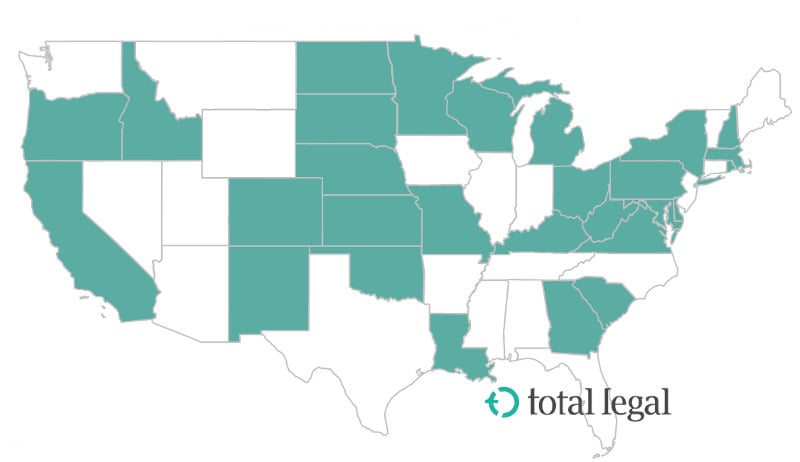
Keeping Ownership of Your LLC Private


