


Stories from six engineering leaders who succeeded in building and growing diverse teams. Hiring approaches, retention tactics and strategies.
The Engineering Leadership Report 2026
Our survey of 600 engineering leaders exploring how the role is evolving, where the challenges lie, and what the future holds for the job.

Staff archetypes
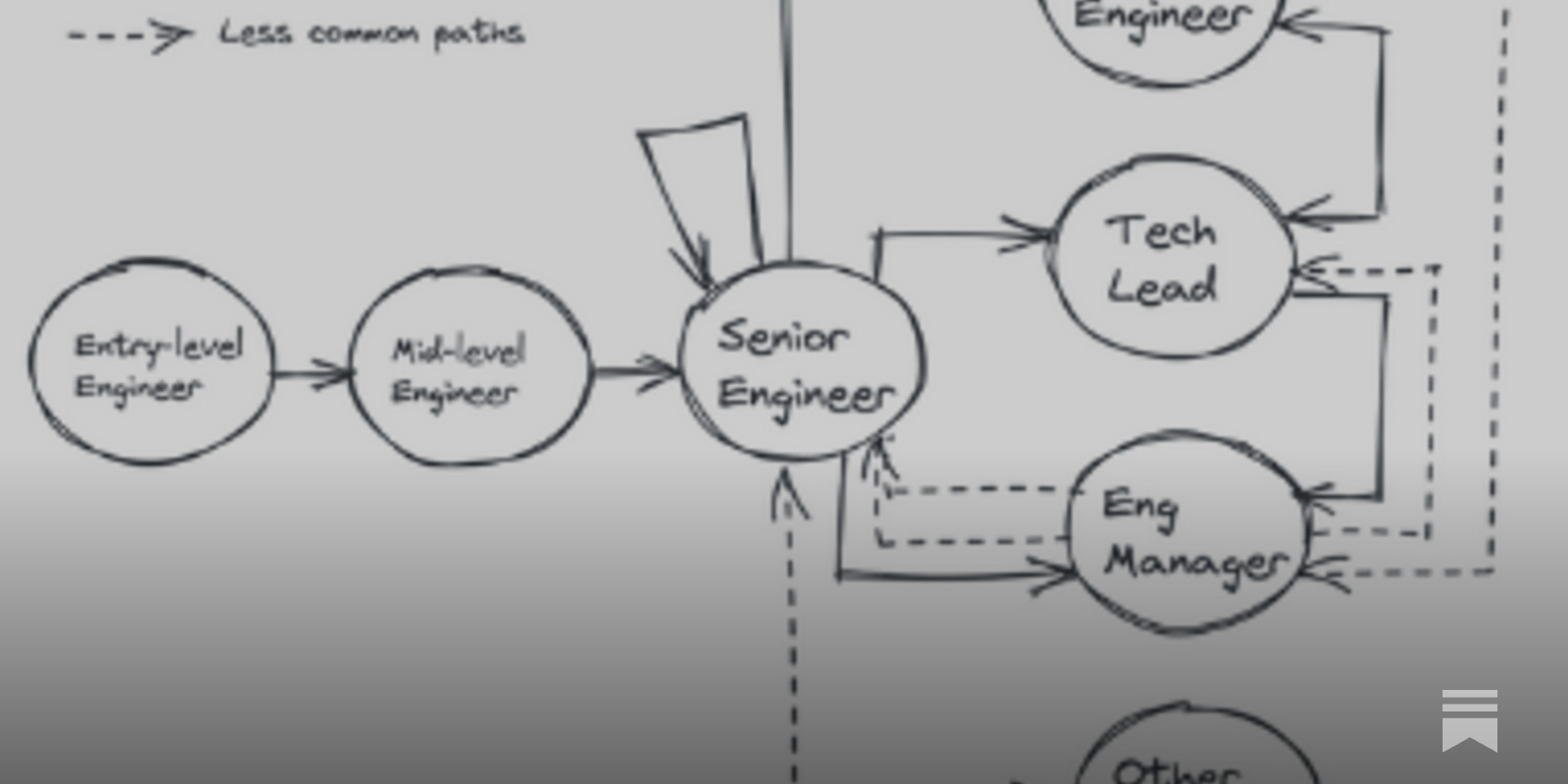
Most career ladders define a single, uniform set of expectations for Staff engineers operating within the company. Everyone benefits from clear role expectations, but career ladders are a tool that applies better against populations than people. This is particularly true for Staff-plus engineers, whose career ladders often paper over several distinct roles hidden behind a single moniker. The more folks I spoke with about the role of Staff-plus engineers at their company, the better their experiences began to cluster into four distinct patterns. Most companies emphasized one or two of the patterns, and one pattern only existed in companies with many hundreds or thousands of engineers. A few companies didn’t feature any technical leadership pattern and pushed all their experienced engineers towards engineering management. In literature, recurring character patterns are called archetypes, such as the “hero” or the “trickster,” and the archetype term is helpful for labeling these frequent variants of Staff-plus engineers.
Engineering Career Paths at Big Tech and High-Growth Startups
Levels at big tech, the most common career paths, and what comes after making it to Staff
Hire More Women (and people with diverse experiences and identities) In Tech
Stop missing out on exceptional tech talent. Diverse senior leaders deliver better business outcomes and better products and services.
Don't Feed the Thought Leaders
In this article, the author shares their experience as an engineering manager and the challenges they faced when trying to reach alignment and prev...

Reasons to hire inexperienced engineers
There are many reasons to consider hiring inexperienced software engineers into your team, beyond the commonly discussed factors of cost and social responsibility. Hire to maximise team effectiveness; not to maximise team size. Adding more people increases the communication and synchronisation overhead in the team. Growing a team has rapidly diminishing returns. However, adding the... Read more »
Scaling Engineering Teams: Lessons from Google, Facebook, and Netflix
After spending over a decade in engineering leadership roles at some of the world’s most chaotic innovation factories—Google, Facebook, and Netflix—I’ve learned one universal truth: scaling e…

Engineering managers have a new job description
Why engineering managers are expected to be hands-on again and how AI tools are making it possible to stay technically sharp while still leading.

How to build a generative engineering culture
A generative engineering culture is one where nothing seems to fall through the cracks, “we should” gets prioritized and becomes reality, and original ideas and value come primarily from engineers, rather than management. A culture like this is an engine for building capacity, quality, innovation, and sophistication.

Undervalued Software Engineering Skills: Writing Well
I have been coaching several experienced software engineers to further grow professionally, since transitioning [https://blog.pragmaticengineer.com/things-ive-learned-transitioning-from-engineer-to-engineering-manager/] to being an engineering manager. I have noticed a few skills that people often underestimate the importance of developing. Skills that add a


the senior engineer death spiral
on proving yourself, burning out, and being a good teammate
This 90-Day Plan Turns Engineers into Remarkable Managers
Twitter's former Director of Engineering shares the plan he uses to transform engineers into successful and happy managers.

3 tactics for leading a team through uncertainty
Lessons learned leading a team through a bumpy acquisition.

How to Hire
Most companies approach hiring with faulty assumptions and poor practices. They believe talent is fixed rather than contextual. They fail to create real partnerships between internal recruiters and hiring managers. And they rely too much on salary surveys and rigid compensation formulas. The author shares what she learned about making and keeping great hires during her 14 years as the chief talent officer at Netflix. The process requires probing beneath the surface of people and their résumés; engaging managers in every aspect of hiring; ensuring that recruiters deeply understand the business and are not viewed as support staff; adopting a mindset in which you’re always recruiting; and coming up with compensation that suits the performance you need and the future you aspire to. These lessons may be especially relevant to fast-growing tech-based firms, whose rapid innovation means a continual need for new talent. But organizations of all types can benefit from taking a fresh look at their hiring and compensation practices.
