


Alicia Solow-NiedermanAssociate Professor of LawGeorge Washington University Law School
Chapter Eight—Technology and the Law: The Automobile · University of Wisconsin Law School Digital Repository · University of Wisconsin Law School Digital Repository
University of Wisconsin Law School Law Library 975 Bascom Mall Madison, WI 53706 608-262-3394

“The Template for Law Schools Around the World”: UChicago Law School Announces New AI Strategy
The Law School will prohibit electronic devices in most 1L courses next academic year, according to a broad strategy statement outlining its new approach to legal education amid increasing use of AI at universities and in the field.

AI Hallucination Cases Database – Damien Charlotin
The most comprehensive database of AI hallucination cases in law: legal decisions from courts worldwide, searchable by country, party, AI tool, and outcome. Updated daily.
Law.com | The Premier Source for Global Legal News & Analysis
Law.com delivers news, insights and resources that allow legal professionals to anticipate opportunities, adapt to change, and prepare for future success.
The Anti-Defamation League and the Racial State by Emmaia Gelman - Hardcover
Scholarship is a powerful tool for changing how people think, plan, and govern. By giving voice to bright minds and bold ideas, we seek to foster understanding and drive progressive change.
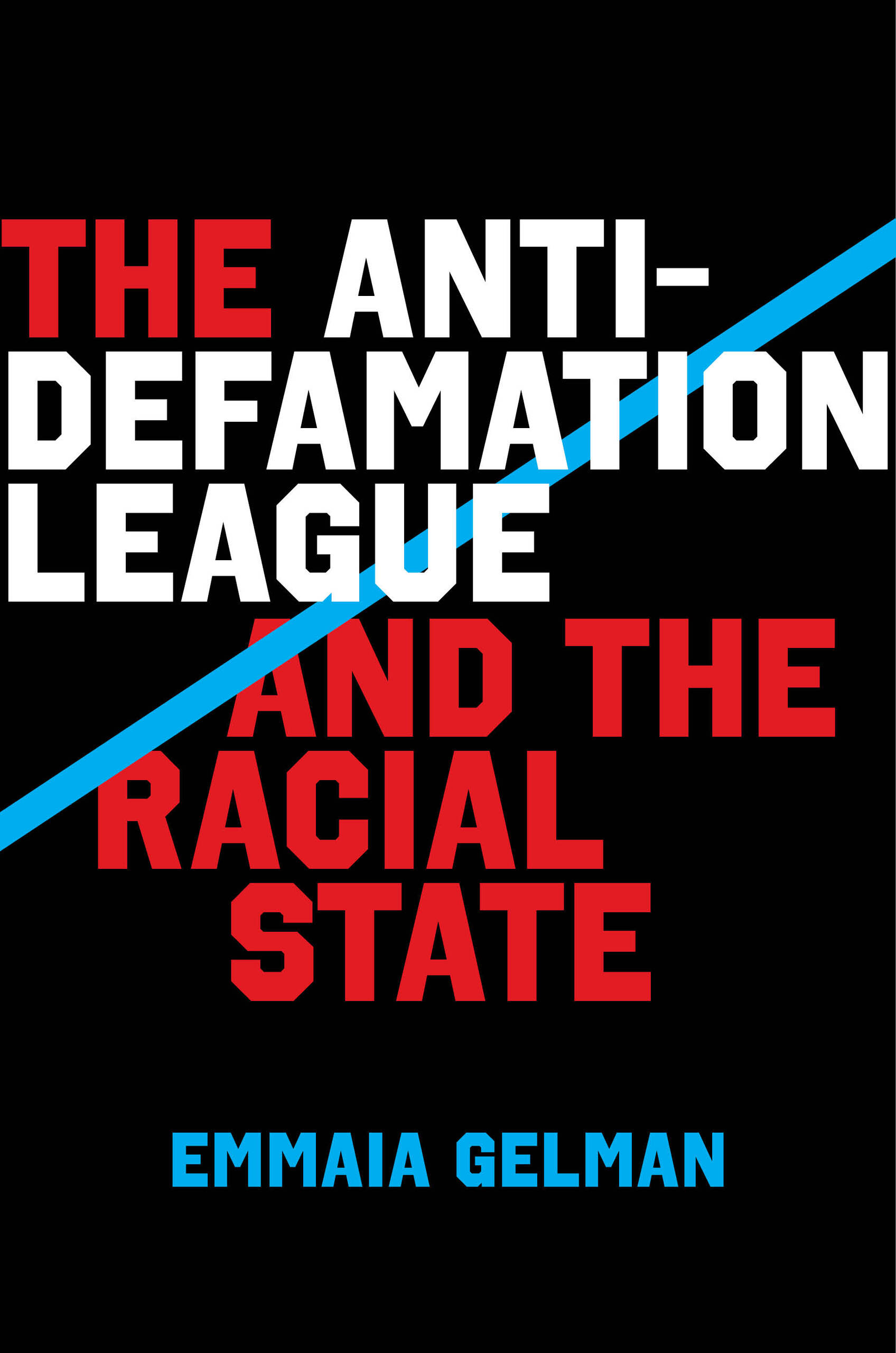
Exhibit Public Redacted Memorandum of Law – #1587, Att. #1 in The New York Times Company v. Microsoft Corporation (S.D.N.Y., 1:23-cv-11195) – CourtListener.com
LETTER addressed to Judge Sidney H. Stein from Davida Brook dated September 17, 2026 re: Public, Redacted Version of News' Plaintiffs' Memorandum of Law. Document filed by Daily News LP, The Center for Investigative Reporting, Inc., The Intercept Media, Inc., The New York Times Company, Ziff Davis, LLC. (Attachments: # 1 Exhibit Public Redacted Memorandum of Law)Filed In Associated Cases: 1:25-md-03143-SHS-OTW et al..(Brook, Davida) (Entered: 09/17/2026)

Application Information | Stanford Law School
Early-stage non-profit or for-profit entities that are focused on climate, sustainability, and impact and who have fundraised less than $500,000 may be eligible for pro bono legal help. Priority will be given to Stanford-affiliated teams. Entities can be pre-formation. We are not currently assisting entities based outside of the United States. Direct any questions about the application to Molly Melius at loughney@stanford.edu.
Adequate indigent defense should be a top priority
This past weekend, I published a story for The Commonwealth assessing Mississippi’s 23 circuit court districts’ indigent defense plans — that is how each of those courts provides lawyers to indigent, or poor, criminal defendants charged with a felony who can’t afford their own counsel.
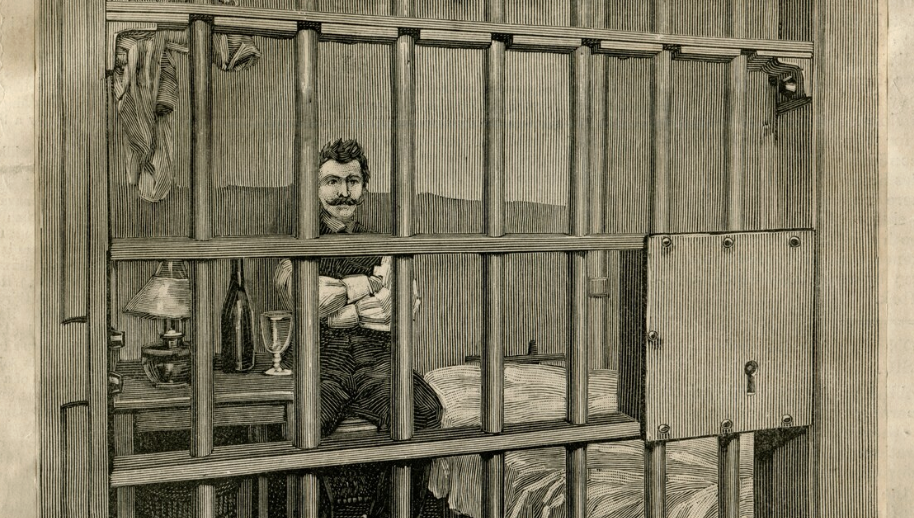
From Haymarket to Prairieland: How dissent has unleashed the long arm of the law
The Prairieland sentencing has dark historical parallels, Kim Kelly writes. But we can change the end of the current story.
The Laws of Simplicity
John Maeda's book, The Laws of Simplicity, proposes ten laws for simplifying complex systems in business and life. Think of it as simplicity 101.

A Theory of Fiduciary Liability – McGill Law Journal / Revue de droit de McGill – Érudit
An article from McGill Law Journal / Revue de droit de McGill, on Érudit.

Lawyer Caught Using AI While Explaining to Court Why He Used AI
The attorney not only submitted AI-generated fake citations in a brief for his clients, but also included “multiple new AI-hallucinated citations and quotations” in the process of opposing a motion for sanctions.

Jeff Melnick on Twitter / X
Lots of us are hashing out new plagiarism/AI statements to share with our students. Here’s a draft of the last part of my very earnest one. pic.twitter.com/4Nqh7rZDcF— Jeff Melnick (@melnickjeffrey1) September 1, 2026

Homepage - Current Shift Legal
Innovation for a Just Economy Strategic legal counsel for cooperatives, nonprofits, mission-driven businesses, and values-led leaders shaping the future of ownership and enterprise. Our Services What we do Legal services for organizations building with purpose From formation to succession to ongoing counsel, we advise on
AI for Law Firms: What the 8am Legal Industry Report Tells Us About AI Use
New data from 1,300+ legal professionals shows generative AI use has more than doubled year over year. The real question now: How should law firms structure governance and integration?
