Naming everyone in your open-source ecosystem—both competitors and colleagues—and following where value flows.
Ecosystem Mapping — Open Tech Strategies | Blog
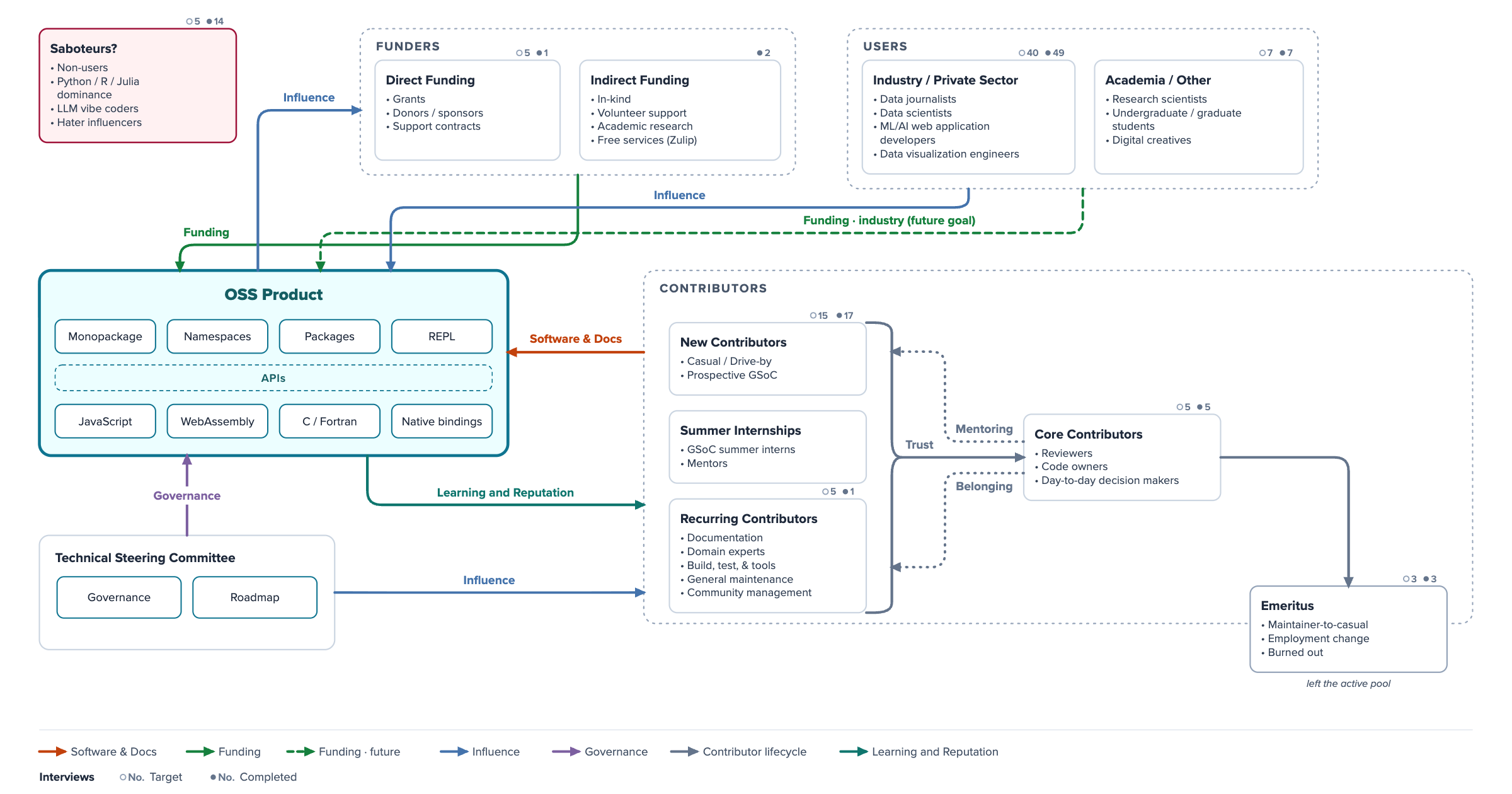
All the power of open source comes from throwing in with your neighbors, even the neighbors you don't like very much. For most projects, the main reason to get involved in open source is to create productive relations with as many participants as possible, including rivals. Doing this well requires understanding who is in your ecosystem and how they relate to each other.
The Open-Source Ecosystem Canvas
An ecosystem canvas makes an open-source project say who it's really for. Here's what ours surfaced about stdlib's value propositions.
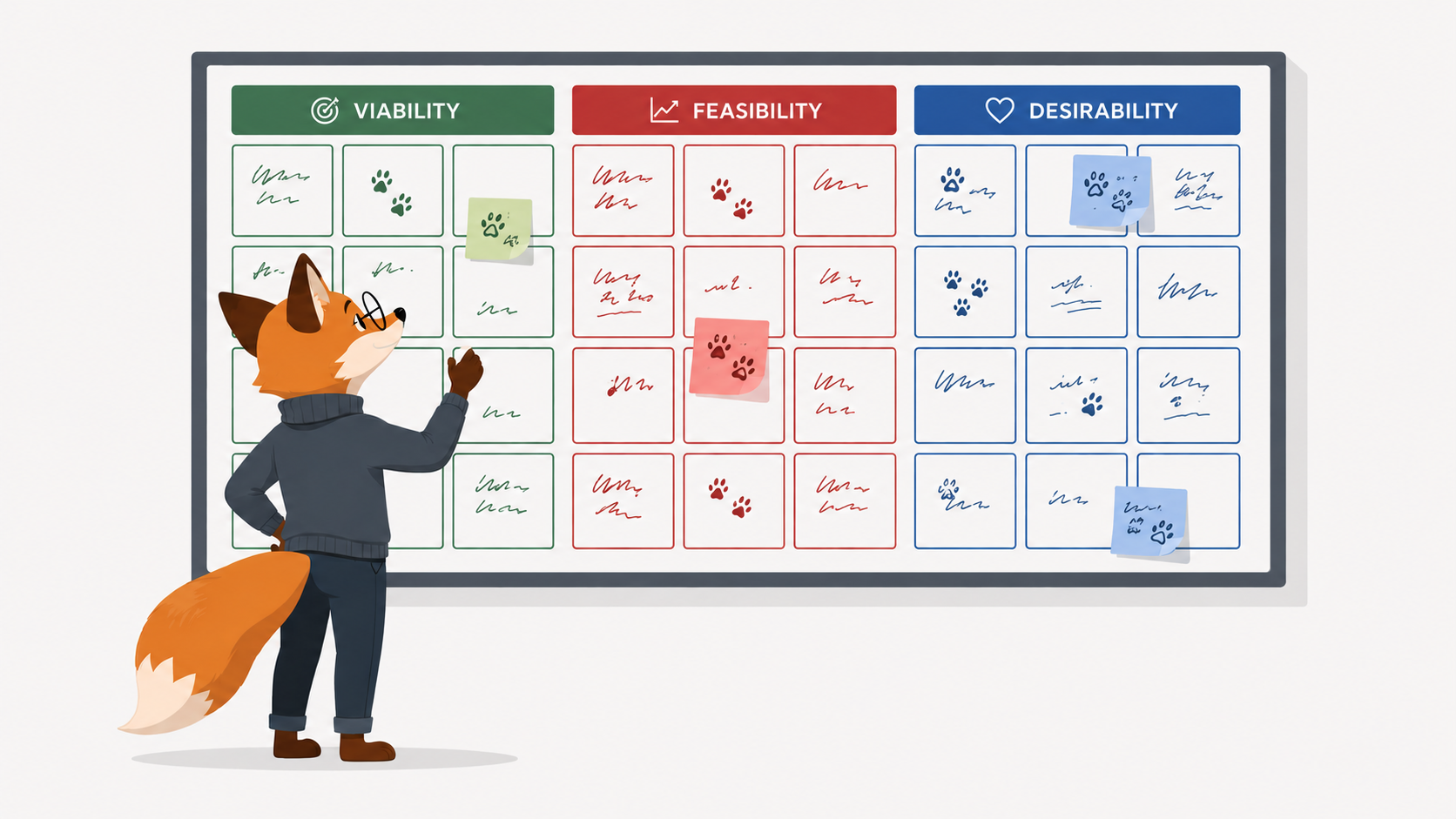
Balancing Makers and Takers to scale and sustain Open Source
To scale and sustain Open Source ecosystems in a more efficient and fair manner, Open Source projects need to embrace new governance, coordination and incentive models.

Open Source Initiative
The steward of the Open Source Definition, setting the foundation for the Open Source Software ecosystem.

About | Open Source Ecology
The mission of Open Source Ecology (OSE) is to create the open source economy. An open source, libre economy is an efficient economy which increases innovation by open collaboration. To get there, OSE is currently developing a set of open source blueprints for the Global Village Construction Set (GVCS) – a set of the 50 most important machines that it takes for modern life to exist – everything from a tractor, to an oven, to a circuit maker.
Moving beyond the charity framework
A healthy ecosystem for supporting open source in the long term.

Coraline Ada Ehmke: The Rising Ethical Storm in Open Source
In the twenty years since the term “open source” was coined by Christine Peterson, our community has grown astronomically, all the while learning from its successes and failures. A lot has changed for open source developers in the past two decades. But the political and technological landscape has also changed.
A Taxonomy for Open Source Software
I’m working on a structured taxonomy for classifying open source projects across multiple dimensions: domain, role, technology, audience, layer, and function.

Open Source Explained — Open Indie
Musings on the concept of ‘open source’, in the broadest possible definition of the term. Also an invitation to become a participant in ...
Why open source: 25 reasons to embrace it | Ben Balter
Open source isn't a fad. Here are twenty-five economic, moral, and personal reasons your organization should embrace it.
Open Source infrastructure deserves a business model
Open Source infrastructure is essential, invisible, and chronically underfunded. A more sustainable approach may be to connect the cost of running that infrastructure to the organizations that rely on it most.

34 Top Open Source Software Companies
Exploring open source companies for 2024? Discover the leading firms championing open-source solutions.
Roadmap: Open Source
After years of investing in open source software, we’re releasing our thinking on what positions these companies as emerging technology giants.

Fueling Open Source with Vibes & Money
Economists think Open Source is a business model. Devs know better, and fund it accordingly.