

Quoting Dan Willingham: Students should only use AI for things that they already know how to do well.
Software engineering may no longer be a lifetime career
I don’t think there’s compelling evidence that using AI makes you less intelligent overall1. However, it seems pretty obvious that using AI to perform a task means you don’t learn as much about performing that task. Some software engineers think this is a decisive argument against the use of AI. Their argument goes something like this:

What Parents Need to Know About AI in the Classroom | Stanford HAI
From immersive learning and personalized tutors to lesson plans and grading, AI is everywhere in K-12 education.
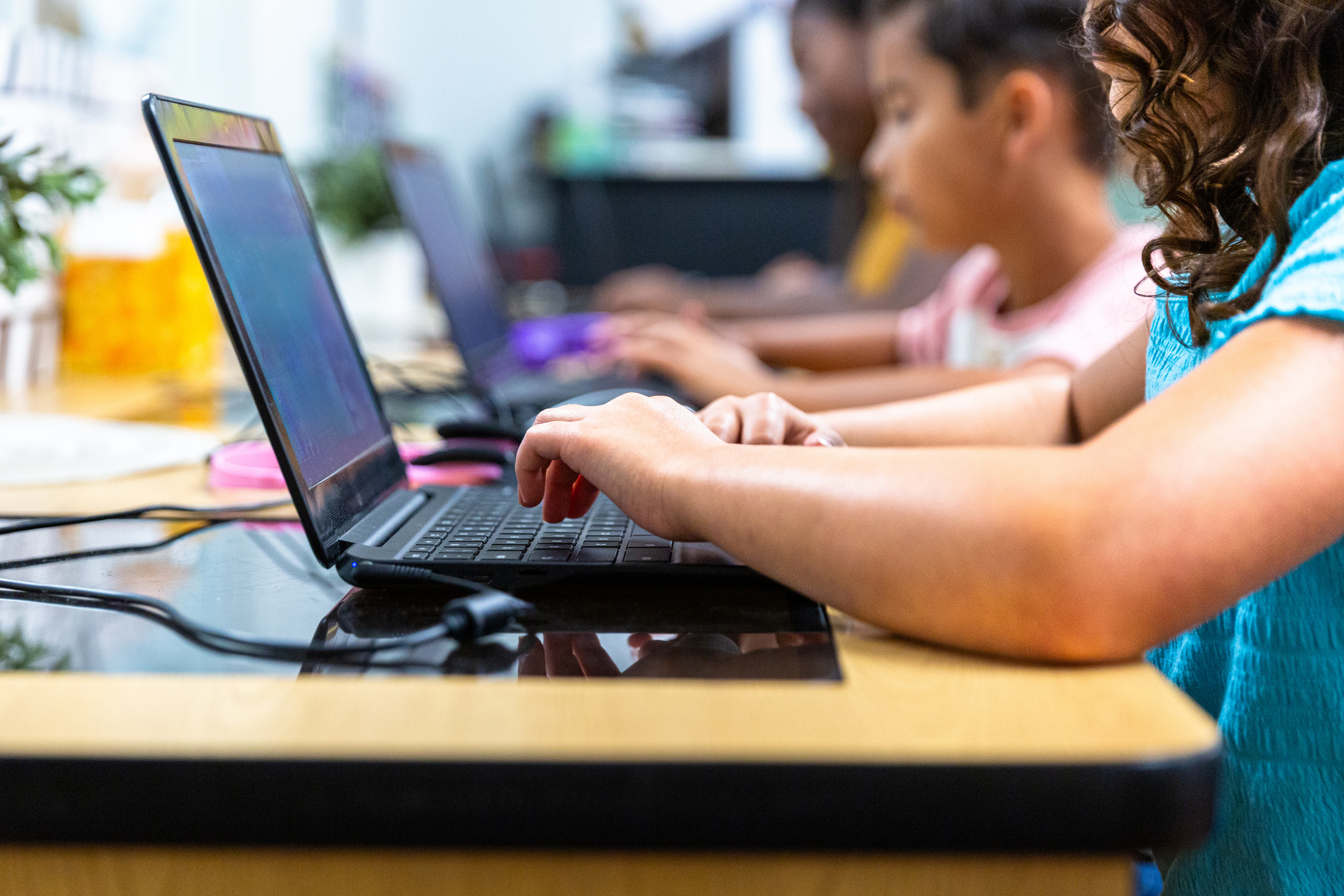
AI Is Routine for College Students, Despite Campus Limits
A majority of U.S. college students use artificial intelligence in their coursework at least weekly, yet about half say their schools discourage or prohibit it.
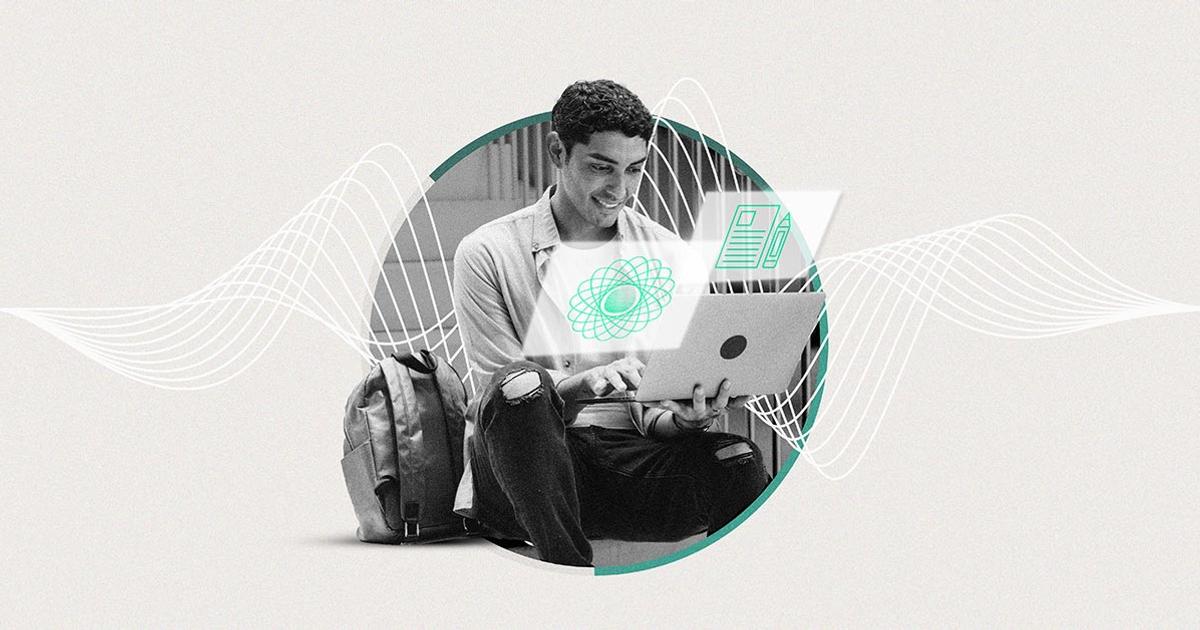
PhD students who write dissertation with AI less likely to stay in academia
US PhD graduates who used artificial intelligence were more likely to work in industry.

Study explores how AI use affects performance on math and reasoning tasks - Berkeley News
A UC Berkeley researcher co-authored a study that raises profound questions about how we interact with artificial intelligence in education — and daily life.


Microsoft Study Finds AI Makes Human Cognition “Atrophied and Unprepared”
Researchers find that the more people use AI at their job, the less critical thinking they use.

Microsoft Study Finds AI Makes Human Cognition “Atrophied and Unprepared”
Researchers find that the more people use AI at their job, the less critical thinking they use.
When everyone has AI and the company still learns nothing
Are people using AI, or is the organization learning from it? What changed because we spent those tokens? And who moves discoveries from individuals to teams to organizational capabilities?

Should you use AI for a task? Here’s a simple way to decide | Bruce Schneier
Sometimes, what matters isn’t your output but what you put into the process. Think of it like work v the gym

Should You Use AI for a Task? Here’s a Simple Way to Decide - Schneier on Security
This essay originally appeared in The Guardian. I teach public policy at the Harvard Kennedy School and the Munk School at the University of Toronto. And it will come as no surprise to you that my students regularly use AI to complete their writing assignments. Doing so is a waste of their tuition money. But if their entire career is going to include AI writing assistants, why shouldn’t they embrace their future? The best way I’ve found to explain the dilemma comes from the AI researcher Daniel Meissler: it’s the difference between work and the gym...
Artificial intelligence in mathematics education: The good, the bad, and the ugly
Integrating Artificial Intelligence [AI] into mathematics education offers promising advancements and potential pitfalls. Striking a balance between AI-driven developments and preserving core pedagogical principles is critical in the teaching and learning environment. AI has emerged as a transformative force in various fields, including education. In the realm of mathematics education, AI technologies offer a spectrum of potential benefits (including personalize instruction, adaptive assessment, interactive learning environments, and real-time feedback, among others) and challenges (such as lack of creativity and problem-solving skills, inability to explain reasoning, bias in data and algorithms, absence of emotional intelligence and data privacy and security concern etc). This conceptual study used autoethnography as the methodology and qualitative content approach to analyze data. The study discussed historical background of AI and considered ethical issues around AI. It was concluded that the journey to harness the full potential of AI in mathematics education requires careful navigation of the good, the bad, and the ugly aspects inherent in this technological evolution.
From Crutch to Coach?
What a new research study tells us about AI's impact on human learning & skills development
How US adults are using AI, according to AP-NORC polling
A new poll finds most Americans say they've used artificial intelligence to search for information. But it's younger adults who appear to be the generation leaning the most into AI, with many using it for brainstorming and work tasks.
Machine Learning vs AI: Differences, Uses, & Benefits
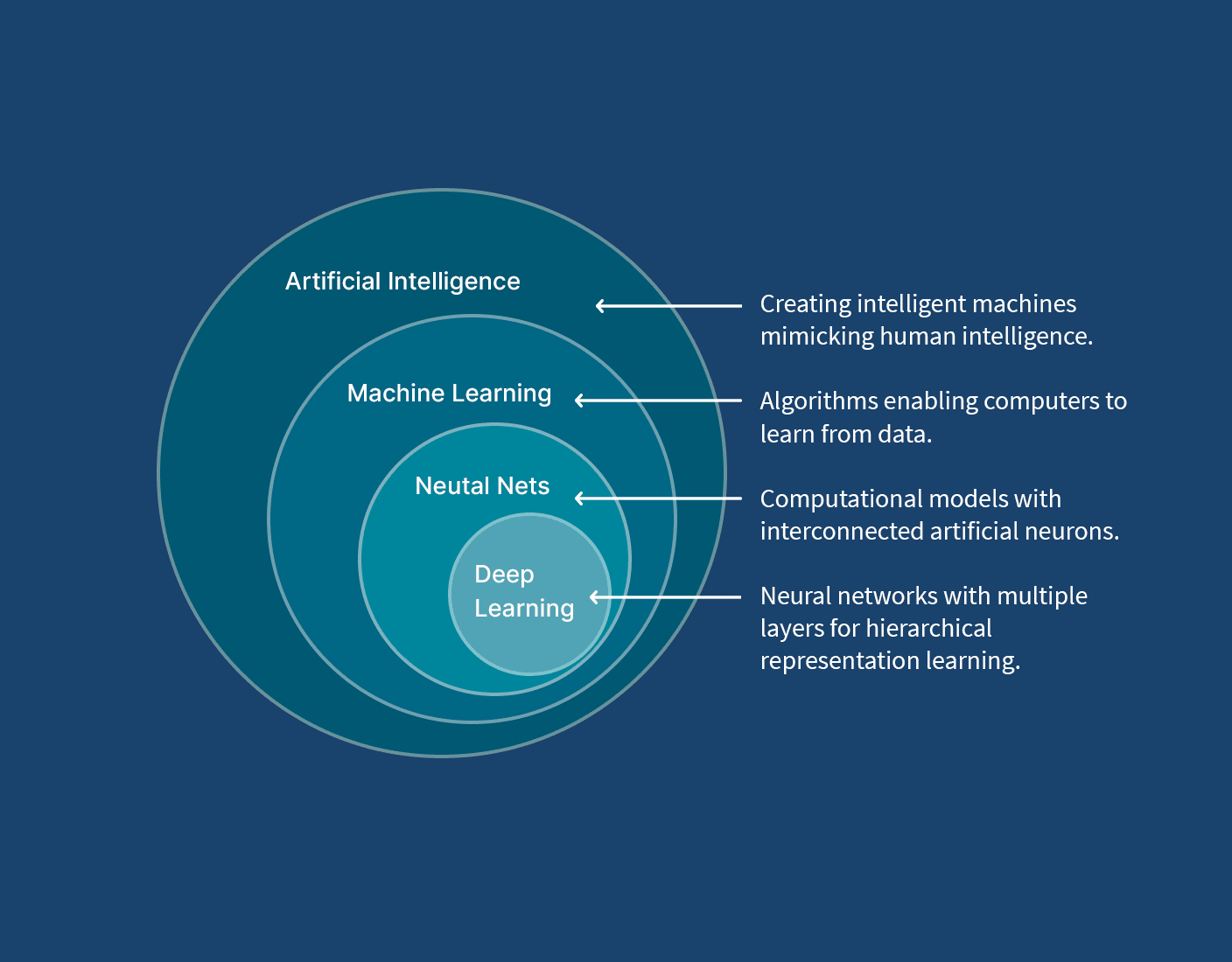
Machine learning is a subset of AI focused on algorithms enabling computers to learn and make predictions without being programmed.
How Americans see AI impacting human skills; its role in science, matchmaking, religion and more
Majorities don’t want AI to give advice about religion or love. But many say AI should help forecast weather, search for financial crimes, develop medicine and more.
