


Communication is key when it comes to strong working relationships... so why is it so hard? Offhand remarks can too easily cause rifts with your coworkers when they're delivered without empathy. Practice these nonviolent communication frameworks to prevent problems at work.
How to Deliver Constructive Feedback in Difficult Situations
Thoughtful, empathetic language can make or break your business relationships
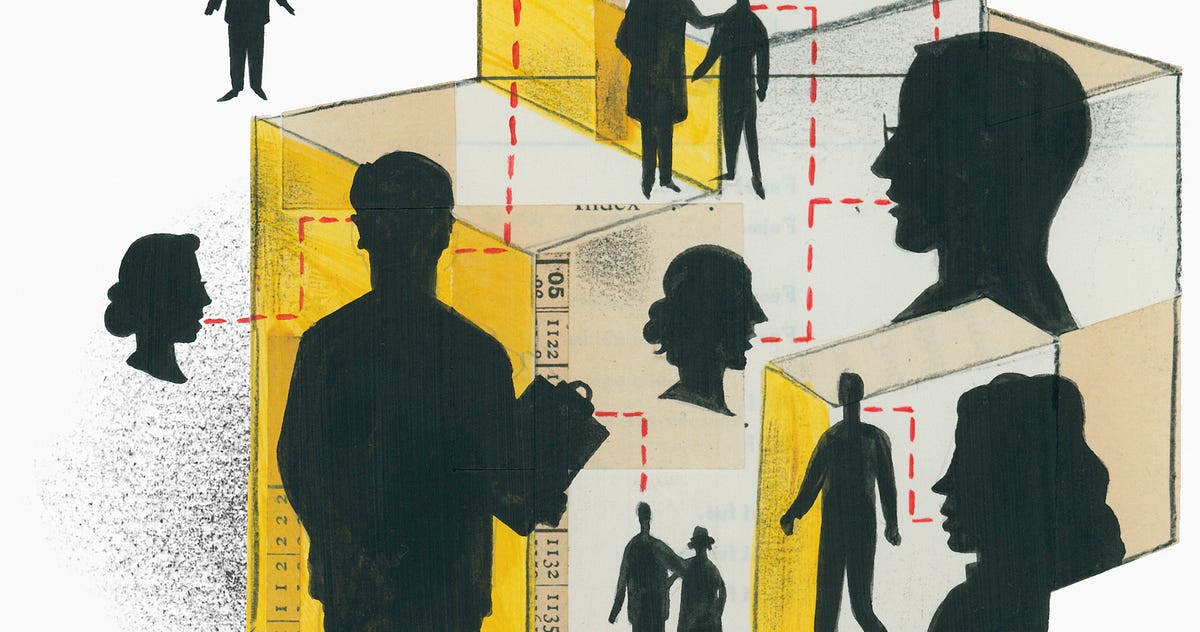
How not to sound like a jerk (and communicate effectively) over Slack and email, according to a linguistics expert
If you're telecommuting amid the COVID-19 pandemic, here's what a linguist wants you to know about instant messaging kindly and effectively. For starters: It's normal to feel awkward without face-to-face interactions.

Encouraging a Culture of Written Communication
More and more people are being exposed to working remotely. One of the key factors for success in a remote workplace is a culture of written communication.…
8 Communication Hacks I Use To Be More Assertive As a Young Employee
Become more influential by learning the language of these subtle cues

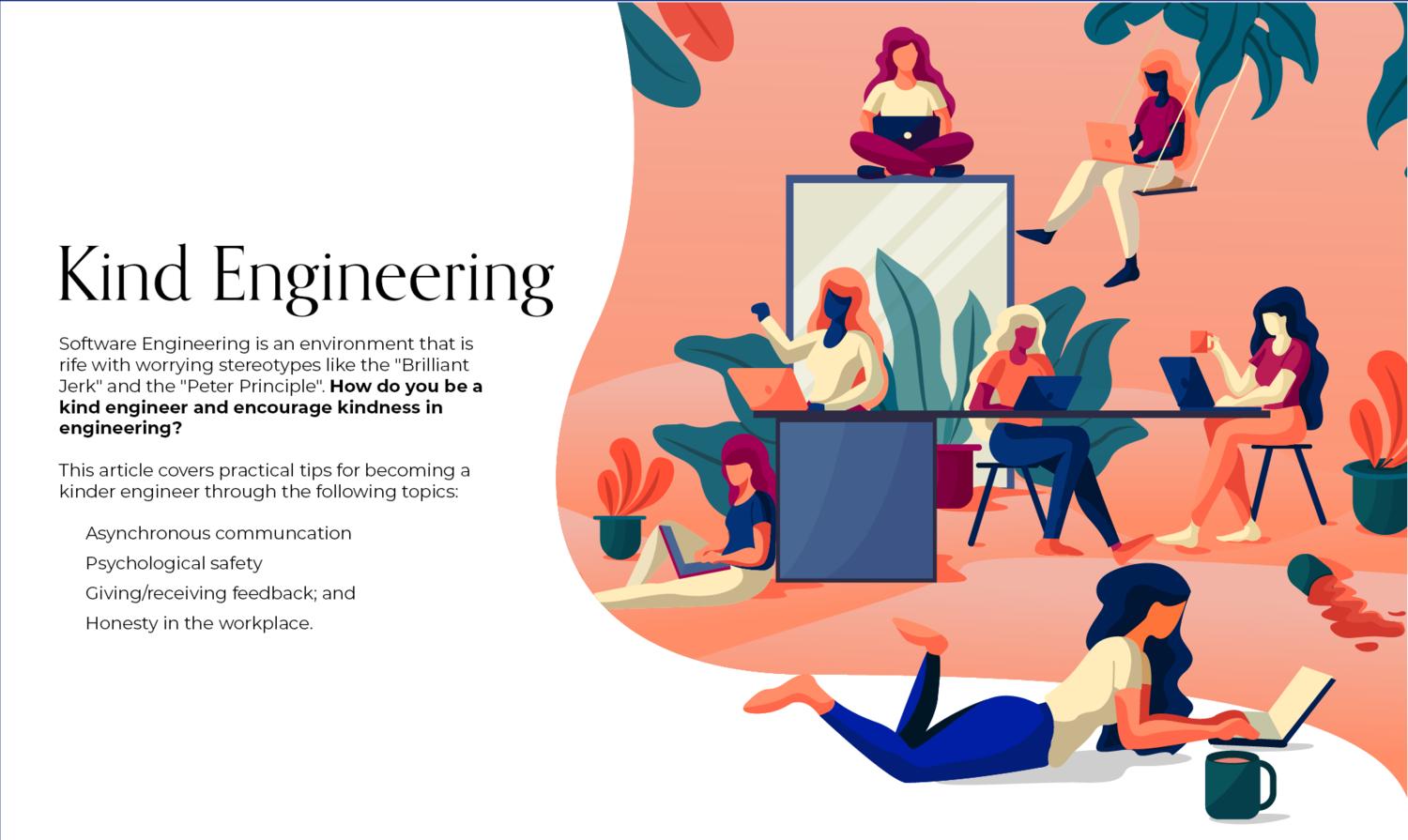
Kind Engineering: How To Engineer Kindness
How do you avoid becoming a Brilliant Jerk? Read this article to learn practical tips on communication, honesty and psychological safety.
Layers of context.
Recently I was chatting with a Staff-plus engineer who was struggling to influence his peers. Each time he suggested an approach, his team agreed with him, but his peers in the organization disagreed and pushed back. He wanted advice on why his peers kept undermining his approach. After our chat, I followed up by talking with his peers about some recent disagreements, and they kept highlighting missing context from the engineer’s proposals. As I spoke with more peers, the engineer’s problem became clearer: the engineer struggled to reason about a problem across its multiple layers of context.

Study finds 'toxic' employees hurt everyone at work
Work can be busy enough -- no one needs to waste their time avoiding colleagues behaving badly. But new research shows that employees who are excessively confident, or are bullies, or who exhibit any number of bad behaviors might be worth skirting...

Honest Communication Kills Weaponized Incompetence
It’s only human to need help — but we have to be able to admit it.

Undersociality: miscalibrated social cognition can inhibit social connection
A person’s well-being depends heavily on forming and maintaining positive relationships, but people can be reluctant to connect in ways that would create or strengthen relationships. Emerging research suggests that miscalibrated social cognition may create psychological barriers to connecting with others more often. Specifically, people may underestimate how positively others will respond to their own sociality across a variety of social actions, including engaging in conversation, expressing appreciation, and performing acts of kindness.

Ask don't tell: Reducing sycophancy in large language models
Sycophancy, the tendency of large language models to favour user-affirming responses over critical engagement, has been identified as an alignment failure, particularly in high-stakes advisory and...

Epistemic Vigilance
Humans massively depend on communication with others, but this leaves them open to the risk of being accidentally or intentionally misinformed. To ensure that, despite this risk, communication remain...

High-Performing Teams Need Psychological Safety: Here’s How to Create It
The highest-performing teams have one thing in common: psychological safety — the belief that you won’t be punished when you make a mistake. Studies show that psychological safety allows for taking moderate risks, speaking your mind, being creative, and sticking your neck out without fear of having it cut off — just the types of behavior that lead to market breakthroughs. So how can you increase psychological safety on your own team? First, approach conflict as a collaborator, not an adversary. When conflicts come up, avoid triggering a fight-or-flight reaction by asking, “How could we achieve a mutually desirable outcome?” Speak human-to-human, but anticipate reactions, plan countermoves, and adopt a learning mindset, where you’re truly curious to hear the other person’s point of view. Ask for feedback to illuminate your own blind spots. If you create this sense of psychological safety on your own team starting now, you can expect to see higher levels of engagement, increased motivation to tackle difficult problems, more learning and development opportunities, and better performance.

How to build human connections in an async workplace
Team culture is primarily built by how you work together, not how you socialize together.
Why writing matters in remote work — Tim Casasola
In remote work, we communicate primarily through writing. We send messages in Slack. We document projects in Notion. We send meeting invites with a written description of the purpose. We’re writing all the time. Many organizations are working from home at the moment. Thus, writing is even

The Failure Mode of Clever
So, apropos of nothing in particular, let’s say you wish to communicate privately with someone you’ve not communicated with privately before, for whatever reason you might have. And, wa…

7 ways to make difficult conversations easy
What’s the best way to handle difficult conversations? Here are seven ways to improve your communication skills and make these conversations easier.
