

For almost 2 years, Wordnik had been running its infrastructure on really fast, dedicated servers—with lots of storage, RAM and very impressive CPU + I/O. Seeing our API firing on all 8 cores using 60GB of RAM in a single process was a beautiful thing—and end users got to enjoy the same benefits. Huge corpus of MongoDB data hit anywhere, anytime and fast. Using just one of these boxes, we could push thousands of API calls a second, hitting mysql, mongo, memcached, Lucene, etc.
MongoDB | The Intelligent Data Platform for the AI Era
MongoDB is the intelligent data platform for the AI era. Get your ideas to market faster with flexible, real-time data that scales across any cloud.

Abstraction Begets Fragmentation
Christian Heilmann raises the ugly issue of offline storage. LocalStorage’s synchronous nature makes it slow, WebSQL is deprecated, and IndexedDB’s API induc...
AWS re:Invent 2018: Amazon DynamoDB Under the Hood: How We Built a Hyper-Scale Database (DAT321)
Build Bigger With Small Ai: Running Small Models Locally
#opensource | Andre Zayarni | 61 comments
We have a long history with MongoDB. Many years ago, when I was still writing code myself, NoSQL was a novel concept. I was sold on its simplicity and natural compatibility with the Node stack. I used Mongo for all my side projects. For work, we still preferred SQL DBs, though. Fast forward to the early days of Qdrant, MongoDB Ventures reached out, and we had several conversations; they considered investing in our seed round. Their product managers and engineers were reaching out and praising our solution. At some point, they revealed that they are going to add vectors to their Atlas search product just by using Lucene. So what, who cares? At Qdrant, we’re not retrofitting anything. We’re building a dedicated vector search engine - from the ground up. If someone wants to replicate what we do? Go ahead, we are #opensource. But here’s where it gets frustrating. We have put in the hard work building our community and attracting prominent people in the AI landscape to use our product and create content about it. We have built our Qdrant Stars program to engage with the community even closely. qdrant.tech/stars So, what does it have to do with Mongo? Well, they just made a clever shortcut and reached out to our Qdrant Stars program members and influencers from our community, making them an offer they could not decline. I do not blame the content creators, it is their daily work and it is an excellent opportunity for them, guys, I can totally understand you, no worries. But let's call it what it is: A multi-billion-dollar company is now trying to buy its way into a community built by an early-stage startup, not them. We don’t fear competition. But when the incumbents start copying your strategy and poaching your community, it says one thing loud and clear: We’re making the right people nervous. We’ll never outspend Mongo, and we don’t need to. We have something they can’t copy or buy: a fast-growing, mission-driven, technically superior open platform - and a community that sees through the noise. So to the engineers, researchers, and creators who believe in open innovation, performance that doesn’t compromise, and communities that are earned, not acquired: you know where to find us. And to the MongoDB marketing geniuses: take on Elastic, take on Redis, take on Oracle, and others of your calibre, but leave Qdrant and other startups like us alone. | 61 comments on LinkedIn

How to Scale a System from 0 to 10 million+ Users
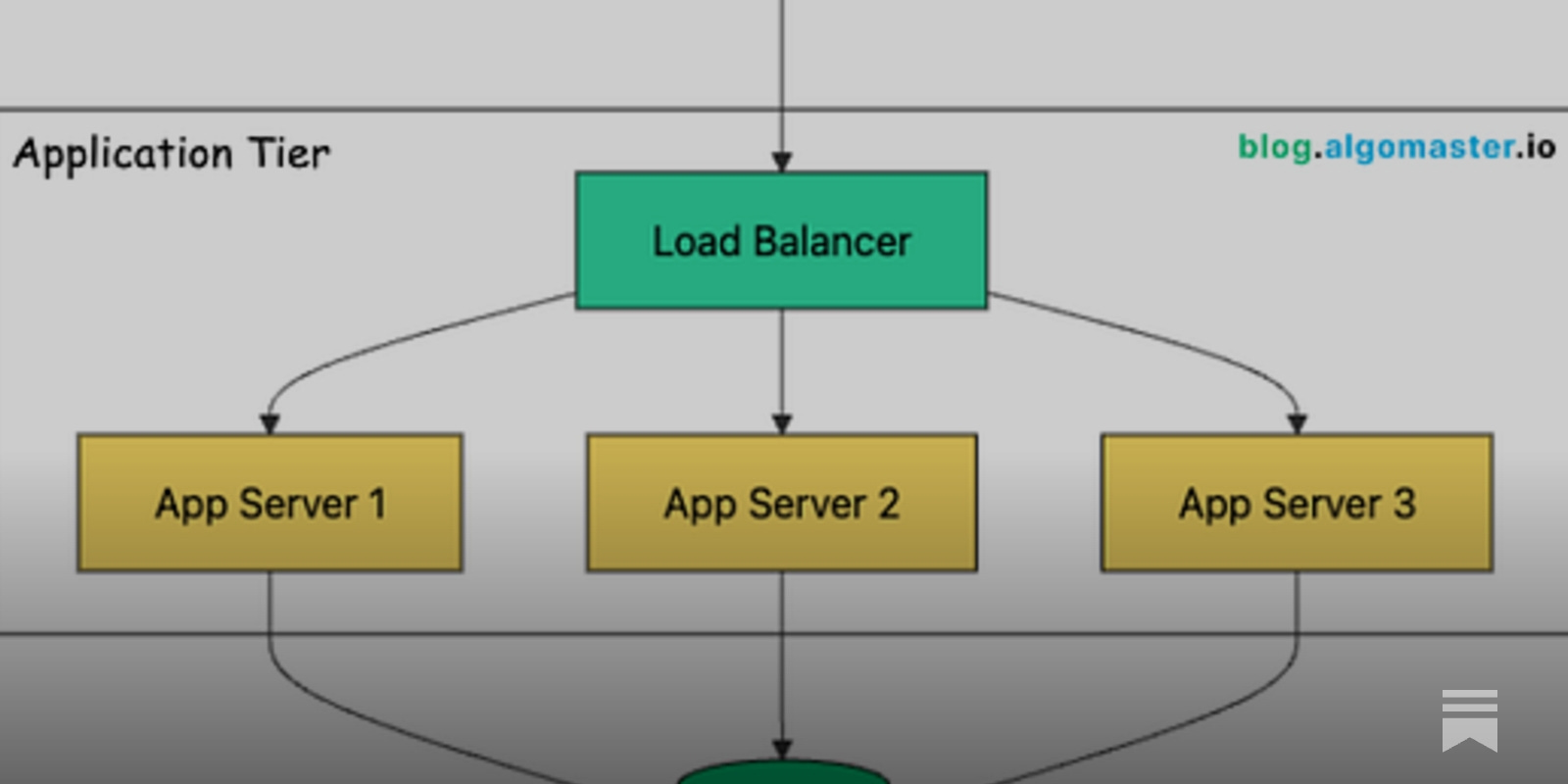
Scaling is a complex topic, but after working at big tech on services handling millions of requests and scaling my own startup (AlgoMaster.io) from scratch, I’ve realized that most systems evolve through a surprisingly similar set of stages as they grow.
Designing Data-Intensive Applications (DDIA) — an O’Reilly book by Martin Kleppmann (The Wild Boar Book)
NoSQL… Big Data… Scalability… CAP Theorem… Eventual Consistency… Sharding…
Egres: A Postgres-compatible database for heavy, multi-tenant workloads
I love Postgres. It is an incredible database. But, its design is also 30 years old and most of what people fight in production comes from decisions made long time ago: VACUUM, transaction id wraparound, bloat, a process per connection…

jazware/vlpds
Very Large PDS, a world-scale, incredibly efficient, incredibly resilient, atproto personal data server
Episode 1 - Mongo DB Is Web Scale
Neo4j raises $325M as graph-based data analysis takes hold in enterprise
Databases run the world, but database products are often some of the most mature and venerable software in the modern tech stack. Designers will pixel

surrealdb/surrealdb
A scalable, distributed, collaborative, document-graph database, for the realtime web
The Marketing Behind MongoDB
Countless NoSQL databases competed to be the database of choice. MongoDB's marketing strategy helped it become the winner.

An unordered / non-exhaustive list of things that helped scale Bluesky's infra efficiently: + Exiting the cloud (colocation) + HAProxy w/many Node backends + Go w/clever code + ScyllaDB + SQLite w/per user databases + Redis w/many instances + AMD servers w/many cores + Purchasing bandwidth directly
