

Sam is a cofounder of PocketSuite (YC W16). -------------------------------------------------------------------------------- We still hear it all the time: “I’m building the Uber for X.” That idea – an app that lets consumers get a specific service when they need it, while giving service professionals (“pros”) immediate work – makes complete sense. It worked great for local transportation [https://www.uber.com/] services, so why could it not be applicable across all types of industries? Any
Replacing Middle Management with APIs by Peter Reinhardt
There’s a trend in Silicon Valley startups to create a software layer in industries that were traditionally pure human services. Uber and Lyft have created software layers in the taxi industry, 99designs Tasks in the visual design industry, Homejoy in the cleaning industry, and so on. These new software services employ armies of human workers, optimizing their output, productivity and quality while driving price down.
Google Takes on Uber With New Ride-Share Service
Google is moving onto Uber’s turf with its own ride-sharing service in San Francisco that would help commuters carpool at far cheaper rates, according to a person familiar with the matter, jumping into a booming but fiercely competitive market.

Google Cabs And Uber Bots Will Challenge Jobs 'Below The API'
Working "below the API" is a dead end. Uber drivers, Amazon Mechanical Turk workers, 99design contestants, TaskRabbit taskers and HomeJoy cleaners are all targets for further automation.

We Found The Radical Solution That Could End Corporate Monopolies
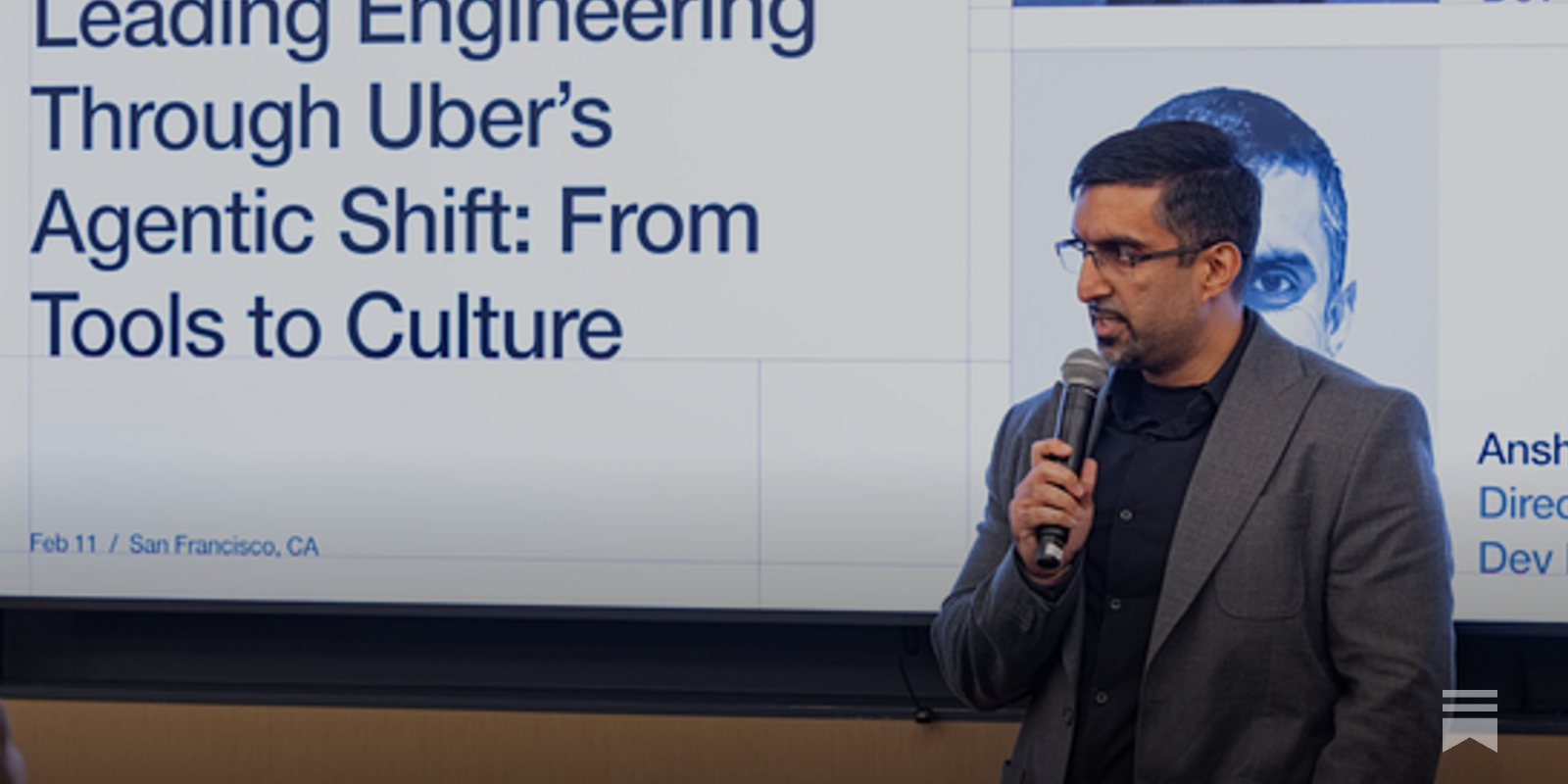
How Uber uses AI for development: inside look
How Uber built Minion, Shepherd, uReview, and other internal agentic AI tools. Also, new challenges in rolling out AI tools, like more platform investment and growing concern about token costs
Why some businesses aren’t allowed
We’re building business infrastructure. As with other kinds of infrastructure (like hosting or electricity), we'd like to make it available to as broad a set of users as possible.
Super pumped: the battle for Uber
"A New York Times technology correspondent presents the dramatic rise and fall of Uber, set against the rapid upheaval in Silicon Valley during the mobile era. In June 2017, Travis Kalanick, the hard-charging CEO of Uber, was ousted in a boardroom coup that capped a brutal year for the transportation giant. Uber had catapulted to the top of the tech world yet for many came to symbolize everything wrong with Silicon Valley. In the tradition of Brad Stone's Everything Store and John Carreyrou's Bad Blood, award-winning investigative reporter Mike Isaac's Super Pumped delivers a gripping account of Uber's rapid rise, its pitched battles with taxi unions and drivers, the company's toxic internal culture and the bare-knuckle tactics it devised to overcome obstacles in its quest for dominance. Based on hundreds of interviews with current and former Uber employees, along with previously unpublished documents, Super Pumped is a page-turning story of ambition and deception, obscene wealth and bad behavior, that explores how blistering technological and financial innovation culminated in one of the most catastrophic twelve-month periods in American corporate history"--

“Pricing Profitable Projects,” an article by Dan Mall
Make it work for them and you—in that order.

Reflecting on one very, very strange year at Uber — Susan Fowler
As most of you know, I left Uber in December and joined Stripe in January. I've gotten a lot of questions over the past couple of months about why I left and what my time at Uber was like. It's a strange, fascinating, and slightly horrifying story that deserves to be told while it is still fresh in

Uber Caps Usage of AI Tools Like Claude Code to Manage Costs
I wrote the other day about Uber blowing its 2026 AI budget in four months, and how that wasn't particularly surprising given they would have set that budget in 2025, …
The book — Good Services
“This book is long overdue. It will become a must-read for the service design community, but this book is also for everyone working with services”

Peter Steinberger 🦞 on Twitter / X
Anthropic now blocks first-party harness use too 👀claude -p --append-system-prompt 'A personal assistant running inside OpenClaw.' 'is clawd here?'→ 400 Third-party apps now draw from your extra usage, not your plan limits.So yeah: bring your own coin 🪙🦞— Peter Steinberger 🦞 (@steipete) April 5, 2026
The Last Business System You'll Ever Need
I like to envision businesses as manufacturing machines. You put something in one end and then it goes through all these defined processes of the business and then it comes out the other end as profit (or not). Depending on how those processes work, you get something different out the backend. The manufacturing machine analogy makes sense to me because it's easier to see why you should always be working on the business, not in the business.

Silicon Valley über alles
Every day, computers are making people easier to use

Why Trump's tariff chaos actually makes sense (big picture)
