

/pic2016054.jpg)
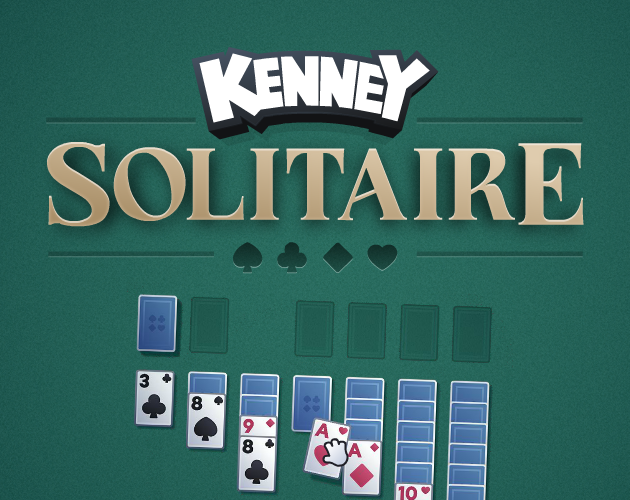
Bluff (and call bluffs!) to victory in this card game with no third chances.
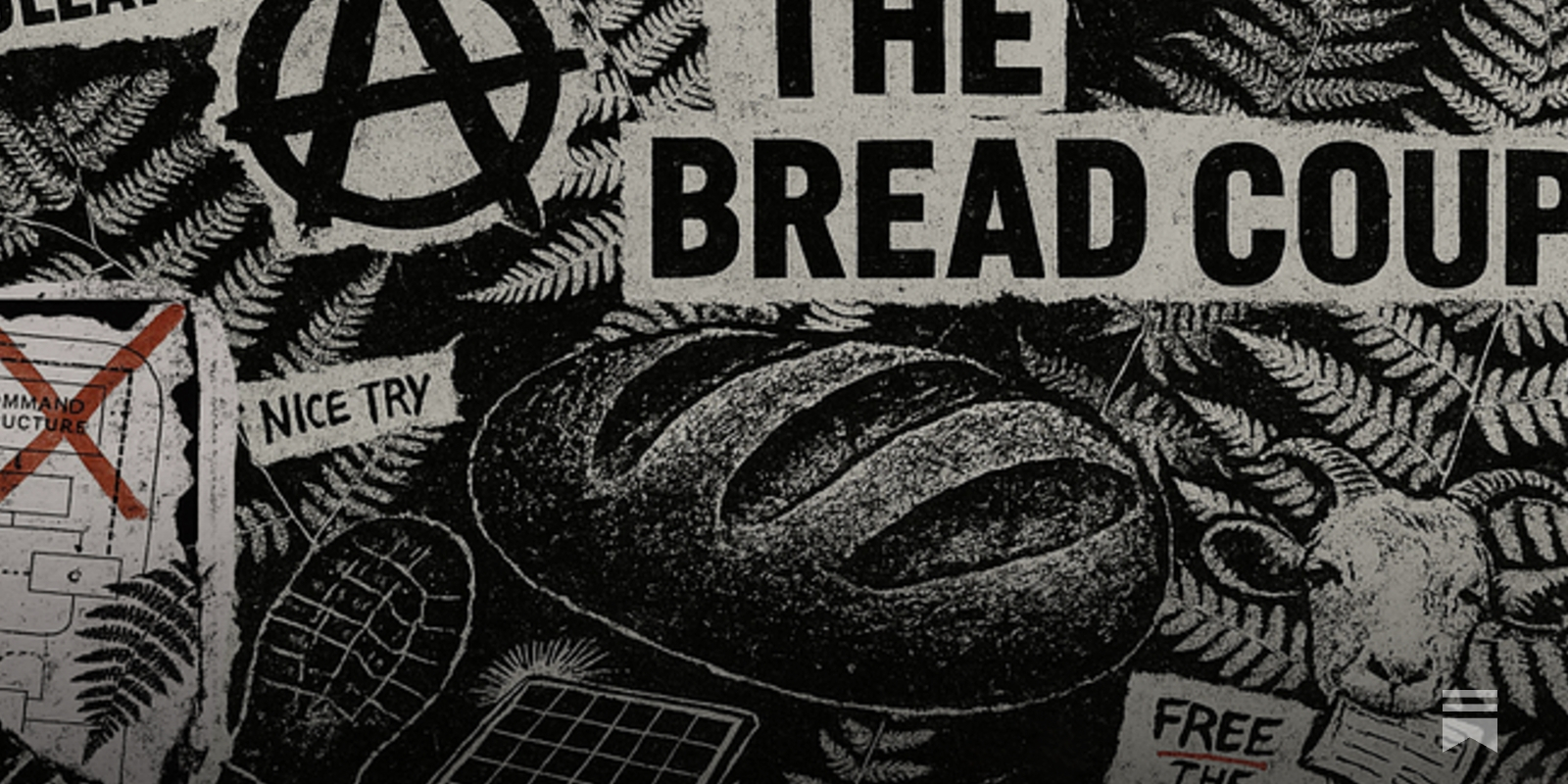
The Score: How to Stop Playing Somebody Else's Game
A philosophy of games to help us win back control over …

Sᴜɴʀɪsᴇ Oᴀᴛʜ 十 Tʜᴇ Sʏʟʟᴀʙᴜꜱ (ORI) - CC0 on Twitter / X
I like using poker as an example. Even as a game-theory-optimal strategy will beat any non-optimal strategy over enough hands, the pot it lost on the first hand is not itself actually recovered. That wound still is there.— Sᴜɴʀɪsᴇ Oᴀᴛʜ 十 Tʜᴇ Sʏʟʟᴀʙᴜꜱ (ORI) - CC0 (@sunriseoath) August 6, 2026
pulling a CRAZY RARE business card
Online Sweepstakes Casino USA - Quick Prize Cashouts
Compare the top sweepstakes casinos available to US players. Free to enter, no purchase necessary, with Sweepstakes Coins redeemable for prizes. Find your best option here.
Magic: The Gathering is Turing Complete
$\textit{Magic: The Gathering}$ is a popular and famously complicated trading card game about magical combat. In this paper we show that optimal play in real-world $\textit{Magic}$ is at least as...

Grant Barbee — Portfolio
Conquer the Citadel was created as the final project for my VR course. The game is a VR roguelike deckbuilder that takes inspiration from games like Slay the Spire and Gloomhaven. Going into it, my teammate and I knew the scope was ambitious, but we managed to implement almost all of the systems we designed for the game. Altogether we managed to implement combat, status effects, a procedural dungeon map, adding cards to your deck, treasures that grant useful passives, multiple-choice events, shops, and two different characters with their own card pools. One interesting design choice we made was to make the cards and enemy AI highly data-driven. This way, we could add new cards and enemies using existing actions without writing any new code.
If it Ain’t Real, Don’t Fix It — Douglas Rushkoff
We must not simply compete or cheat, but rather play “spoilsport” to the accepted game, and reveal it as a human construction.
Strategy Is a Loop, Not a Plan | Ragan McGill
Most strategies don't fail because they were wrong. They fail because the world moved and the strategy didn't. Here is how I combine John Boyd's OODA loop with Richard Rumelt's strategy kernel to build strategy that keeps learning.

Feedbackmaxxing
You know the TV gameshow Play Your Cards Right? Contestants are shown a sequence – in two rows – of giant playing cards presented face-down. The host turns over the first card. The cont…

Magic: The Gathering
Precautionary borrowing and the credit card debt puzzle
ReBeL: A general game-playing AI bot that excels at poker and more
Combining reinforcement learning with search (RL+Search) has been tremendously successful for perfect-information games. But prior RL+Search algorithms break down in

Sᴜɴʀɪsᴇ Oᴀᴛʜ 十 Tʜᴇ Sʏʟʟᴀʙᴜꜱ (ORI) - CC0 on Twitter / X
A poker player will never actually undo the very first hand they ever lost. They will be that amount poorer in eternity even if they earn tens of millions of dollars after. They will always bear those scars even after their bankroll rises from the grave on the third day.— Sᴜɴʀɪsᴇ Oᴀᴛʜ 十 Tʜᴇ Sʏʟʟᴀʙᴜꜱ (ORI) - CC0 (@sunriseoath) September 19, 2026
So it reads to me as if Hegseth is bluffing with absolutely no cards and it's chud dominance politics versus genuine principal and the nerds have a straight flush.

Techmeme
Sources: DoD told Anthropic it will invoke the Defense Production Act or label Anthropic a "supply chain risk", if not given unfettered Claude access by Friday (Axios) axios.com/2026/02/24/anthropic-pentagon… | techmeme.com/260224/p38#a260224p38
