


Defending Mastodon from Donald Trump's social media
Can Mastodon seize the moment from Twitter?
How Mastodon was prepared for Elon Musk’s Twitter to fail.

Mastodon Status Check
My social-media life has been Fediverse-first for a year now. I stick my head into Bluesky and Threads regularly, but visit Twitter rarely if at all. This piece takes a close look at Mastodon-land as things stand in late summer 2023. What’s working, what’s not, what are the alternatives? [Originally published August 2023, updated November 27th for my one-year Twitter-exit anniversary.]

Private and Public Mastodon
Here’s how to get into a lot of trouble: Suppose you (like me) love the intellectual wealth found in free-form text on the Internet. And (like me) are a reasonably competent programmer. And (like me) have derived value and pleasure searching Twitter. And (like me) you look at this nifty new Fediverse thing and see that it has nice Web APIs so you could build an app to vacuum up all the stories and laments and cheers and dunks and love letters and index ’em and let everyone search ’em and find wonderful things! So you lurch into the Mastodon conversation, all excited, and blurt out “Hey folks, I’m gonna index all this stuff and let the world in!” That’s when you get your face torn off.
Cage the Mastodon
A year ago I wrote about Mastodon’s improvements over Twitter’s lacking protections against abuse and harassment. Development in that area has not been standing still, and it’s about time we do another comparison.
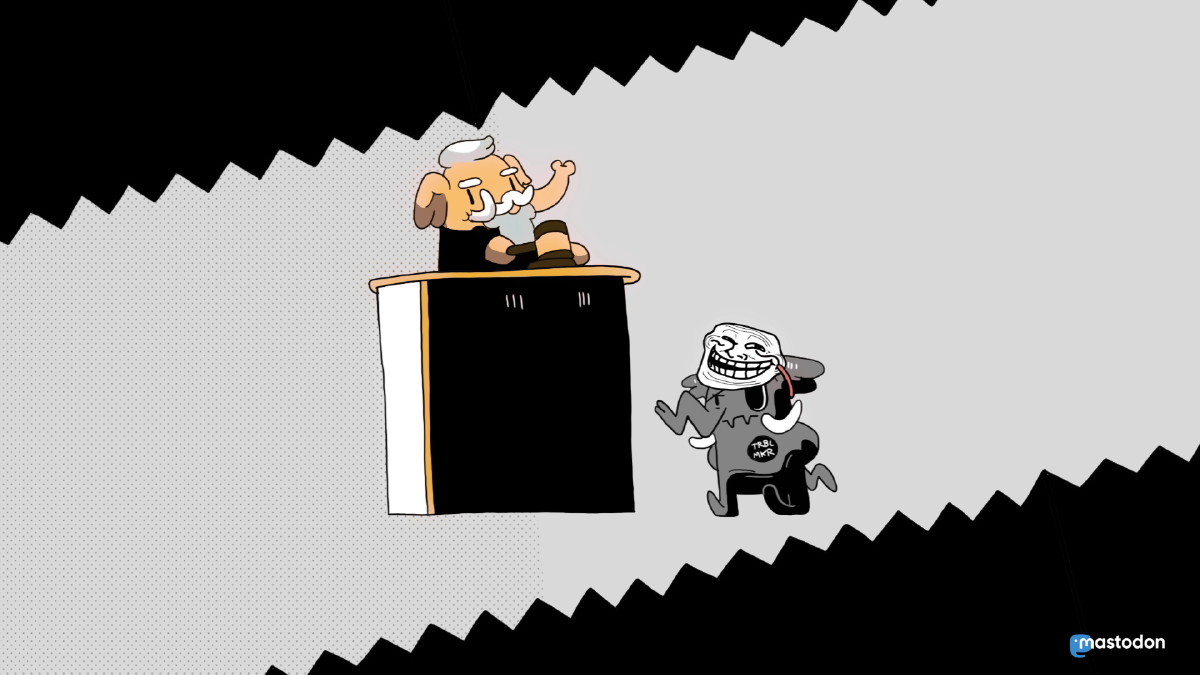
Expectations and preferences around community contributions/interactions · mastodon mastodon · Discussion #36552
There is a long-running pattern of conversations on issues/PRs around some features getting quite heated and sometimes turning into personal insults, venting frustrations, borderline conspiracy acc...
Mastodon Features That Twitter Should Steal (but Won’t)
Elon Musk's platform could learn a thing or two from its most popular alternative—like how to build a social platform people actually want to be on.

How The Enshittification Of Social Media Is Decreasing The Switching Costs And Enabling Something New
In the last few weeks I’ve written about how Elon Musk’s “changes” to how Twitter is running have done an amazing job convincing people to join Mastodon. And I’ve also…

Mastodon - Decentralized social media
Learn more about Mastodon, the radically different, free and open-source decentralized social media platform.
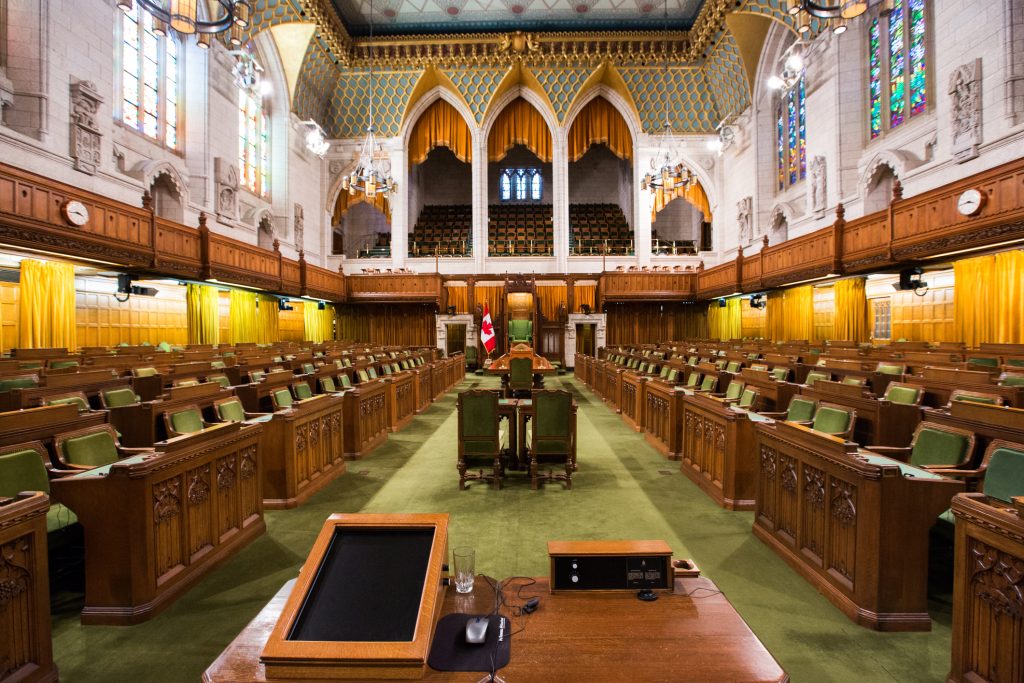
Reading the Digital Safety Act with My Mastodon Admin Hat On
Back in 2024, I published a reading of the Online Harms Act from my perspective as an admin of a Mastodon instance. The Online Harms Act was a proposed Canadian bill meant to regulate social media to prevent harmful content, particularly hate speech and child abuse materials. While the Online Harms Act ultimately did not come to pass (due the proroguing of Parliament later that year), the Carney Liberal government is bringing much of it back with a new Digital Safety Act. In this post, I am also giving the new Act a look from the perspective of a Mastodon admin.
How Does Mastodon Work? - Kev Quirk
I’ve spoken about Mastodon numerous times on this blog. It is the social media platform I use more than any other, but for a new user it can be confusing because it doesn’t work like other social media sites.
Get Out of the Nest! Drivers of social influence in the Twitter migration to Mastodon
Elon Musk's purchase of Twitter on October 2022 triggered a mass exodus to Mastodon, the largest decentralized online social network. This is a unique example of collective behavioral change that is documented through large-scale digital traces, and can teach us a lot about how people coordinate.

Mastodon Exit Interview
I am currently winding down the Mastodon bots I used to post sunrise and sunset times. The precipitating event is that the admin of the instance hosting the associated accounts demanded they be made nigh-undiscoverable, but the underlying cause is that it’s become increasing clear that Mastodon isn’t, and won’t ever be, a good platform for “asynchronous ephemeral notifications of any kind”. I’d also argue (more controversially) that it’s simply not good infrastructure for social networking of any kind. There are lots of interesting people using Mastodon, and I’m sure it will live on as a good-enough space for certain niche groups. But there is no question that it will never offer the fun of early Twitter, let alone the vibrancy of Twitter during its growth phase. I’ve long since dropped Mastodon from my home screen, and have switched to Bluesky for text-centric social media.

Why EUNOMIA builds on Mastodon
An ever growing problem of the modern social media-rich world is misinformation. The trust that was previously placed into government officials and journalism has eroded; the internet gave everyone a voice but with it made it so much more difficult to distinguish truth from fabrication. The consequences of this are very real: Almost eradicated illnesses are making a comeback because people refuse to vaccinate their children, Covid-19 is continuing to spread because people refuse to wear masks and practice social distancing, more and more people start believing that the Earth is flat and descend down a rabbit hole of ever more absurd conspiracy theories.
Mastodon and federation
The more I read about Mastodon promoters' opinions on how it should work, the more I think, "How could you possibly think that is how it is going to go?" One group of people want a Federated Feed Reader: They want to read the clever updates and memes from their friends and favorite celebrities. They want to post a GIF and have their friends validate them by hitting "like" on it. They want to ...
Mastodon & The Fediverse Explained
Mastodon is a "federated" social network that works like Twitter. It puts the control of data into the user's hands, not in a single corporation.